Selaginella
As close as we are to the lush temperate forests of the Pacific Northwest, we have to face the fact that we live in the high desert. Lushness here is only man-made. I think this is the reason that so many of us hoard houseplants, we crave more leafy foliage, dew-dropped ferns and soft, cool moss below our feet! The good news is, that you can recreate that shady, Oregon coast hike vibe inside your Bend home! A houseplant that will check that box for you is Selaginella.
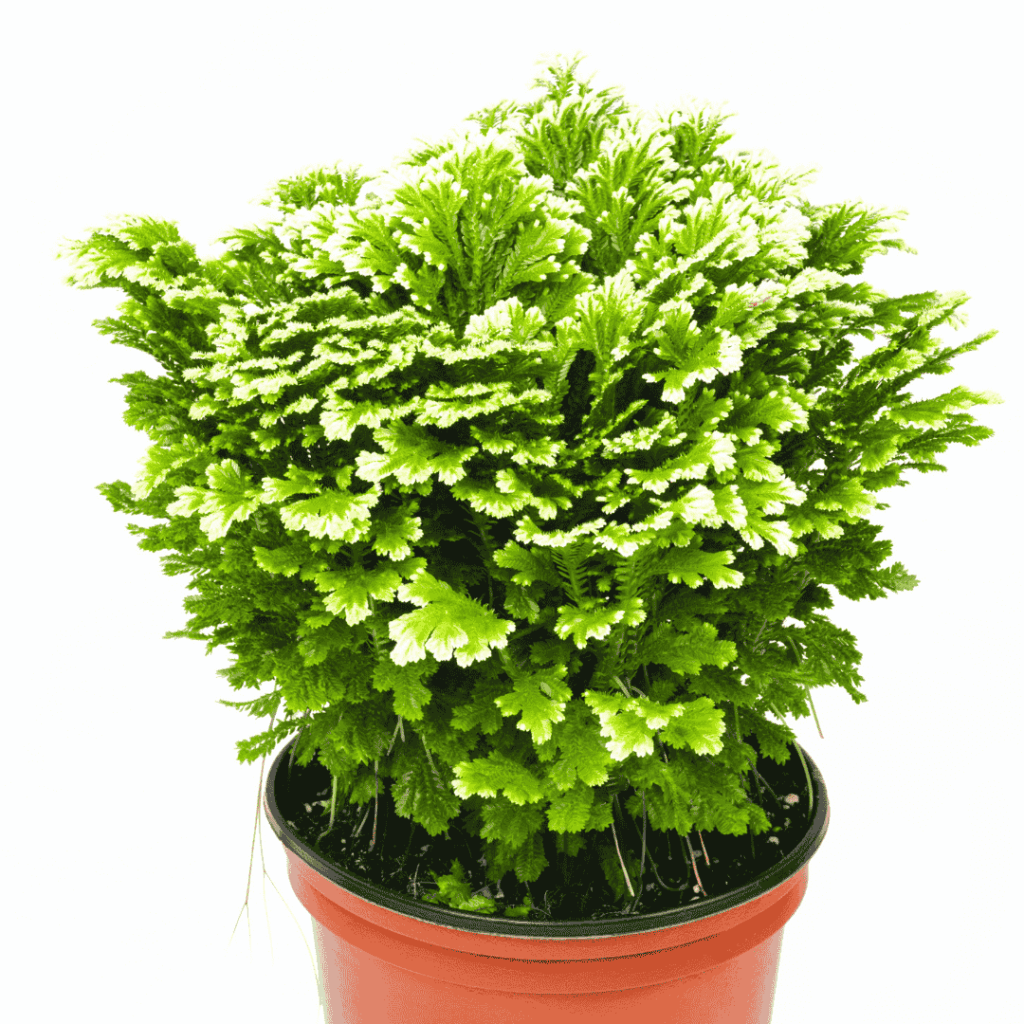
Selaginella belongs to a unique group of spikemoss related to prehistoric ferns. Though they’re neither truly a moss nor a fern, they are just as evocative of lushness. They can be found in almost all tropical regions of the world and are widely grown indoors for terrariums. They’re soft, bouncy, groundcovers composed of layers of deep emerald leaves that are split and scalloped, similar to that of a cypress. Take a whiff of a spike moss and tell us it doesn’t transport you to a rainy trailhead in Cannon Beach!
To keep selaginella happy, you must keep the soil mostly moist, and make misting a staple in your watering routine. A lot of growers use them in closed terrariums to maintain a little greenhouse of moisture around them. Intense light is an immediate no-no in the moss world. Low light from a North or East window, or even a grow light will provide the gentle illumination mosses crave as understory plants.
The upside to keeping spikemoss as a houseplant is obviously its aesthetic, the joy that it brings, and its texture. The downside is that they are not forgiving. If you take a week off to go skiing in Aspen and have your son-in-law pretend to water your plants, you’re going to return to a crispy critter. Selaginella are incredibly difficult to revive once under-watered here.
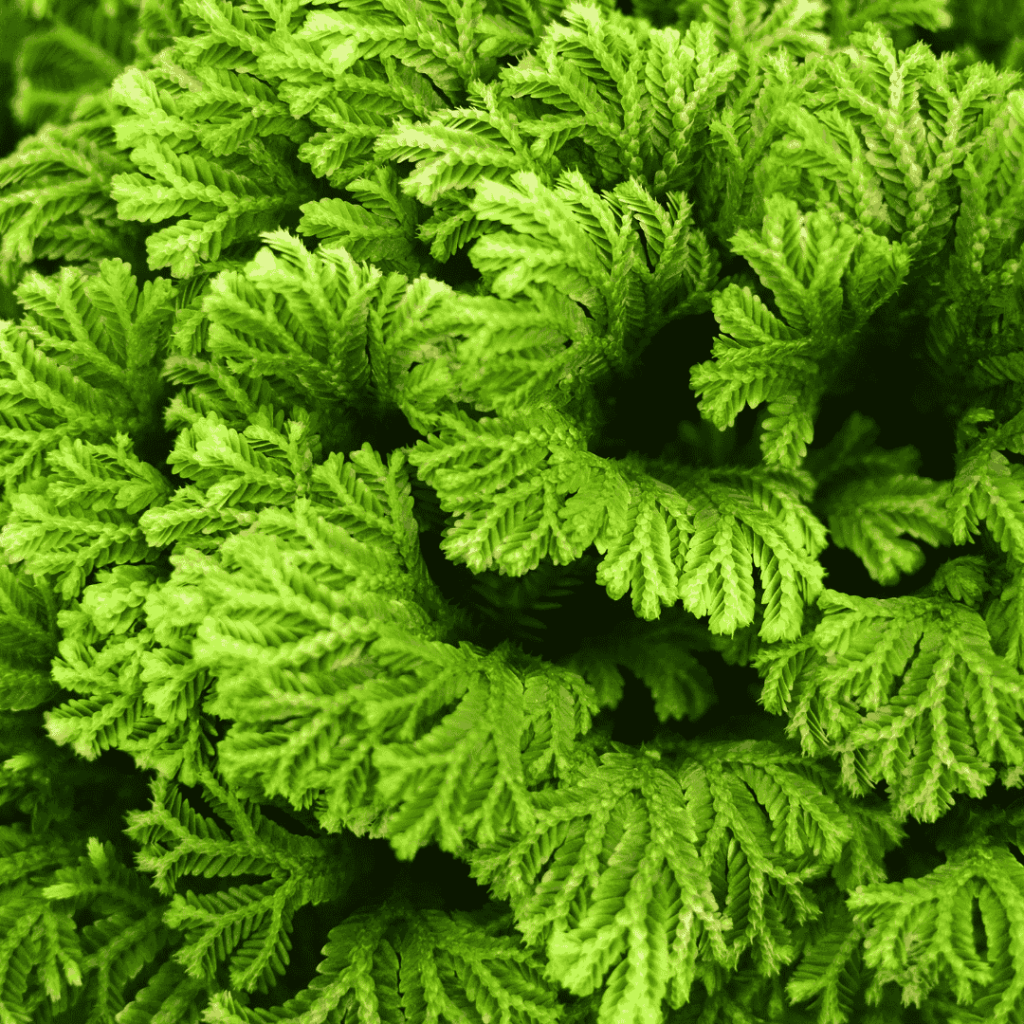
A helpful tip for keeping Selaginella moist is to consider potting it up in a larger pot containing other tropicals with similar watering needs (asparagus ferns, hypoestes, etc). More soil=more volume to hold water=less frequent watering required. You could also consider a cloche or bell jar to place over top of your Selaginella to trap in humidity. Make sure you lift the cloche once a week to encourage air flow and prevent rotting.
If you are up to the challenge of simulating a moist environment in the high desert, you’re on your way to raising a fine young selaginella. We believe in you!