Mountain Mahogany
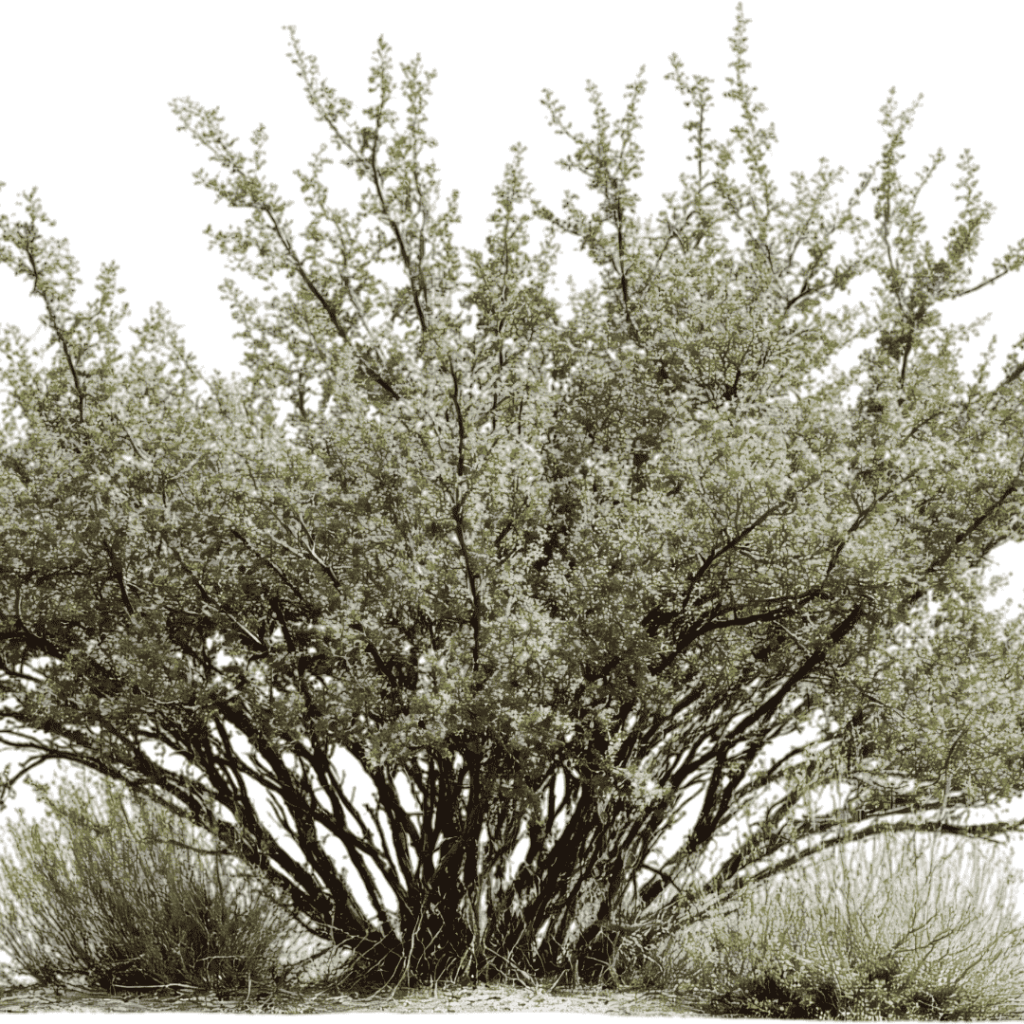
Mountain Mahogany (Cercocarpus ledifolius) is a shrubby, slow growing tree with dense branching and a spicy aroma. Curl-leaf Mountain Mahogany is not a true mahogany, but still has dense hardwood making an excellent choice for fuel and was even used to smelt ore during the Comstock era. Said to be a good choice for barbecues, it was used by Native Americans in California to make arrows for spearing fish and tools for digging.
Mountain Mahogany is a good forage source for browsing animals like deer, elk and antelope. It also makes a great winter cover for wildlife, especially for birds like quail. You will notice butterflies enjoying the flowers when they are in bloom.
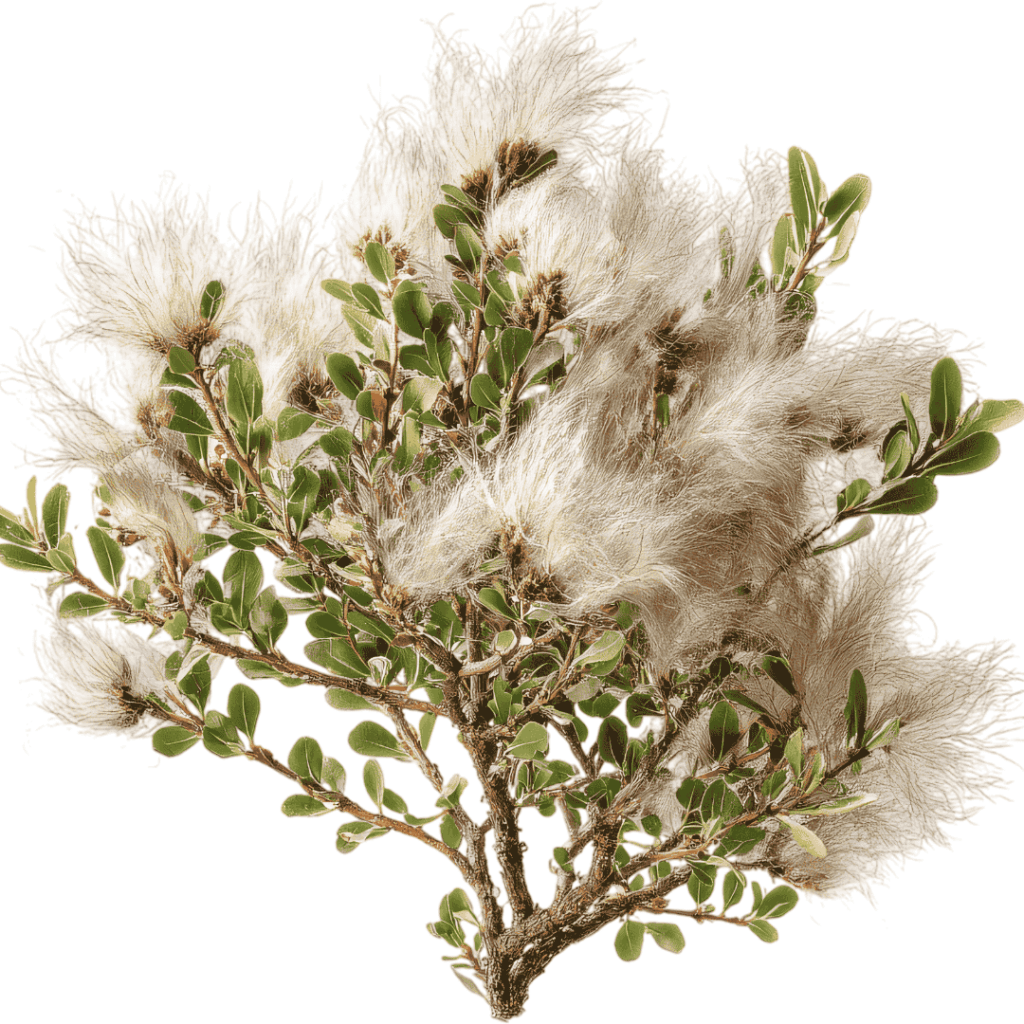
Curl-leaf Mountain Mahogany usually grows about 15 feet tall and about 10 feet wide, but has been known to get up to 30 feet tall in some areas. It’s relatively low maintenance and long lived. It can take up to 100 years to reach full maturity and the oldest tree on record was 1,350 years old, making it one the oldest flowering plants in the world. This small tree has beautiful silvery white bark and leathery, lance shaped leaves. The thick leaves are about 1 ½ inches long and have edges that may curl under. The small yellow cream colored flowers appear in clusters and bloom from late winter through spring. This small tree is definitely known for its showy seeds. The seed heads are long and fuzzy resembling a curled feather. Produces a small dry fruit.
Mountain Mahogany grows in full sun to part shade and likes rocky, well drained soils. Its low water needs make it drought tolerant and it can be pruned almost anytime of year. It can be grown from seed or by cutting a heel in the summer months. It grows very slow from seed and the seeds need 60 to 90 days of cold stratification to germinate.
Cercocarpus ledifolius is distributed across Western North America and can be found growing in the Great Basin region and surrounding areas. It’s commonly found growing on low mountains and slopes from 2,000 feet to 10,000 feet in elevation. Often associated with other drought tolerant species like Pinyon pines, junipers and sagebrush.