Desert Sweet
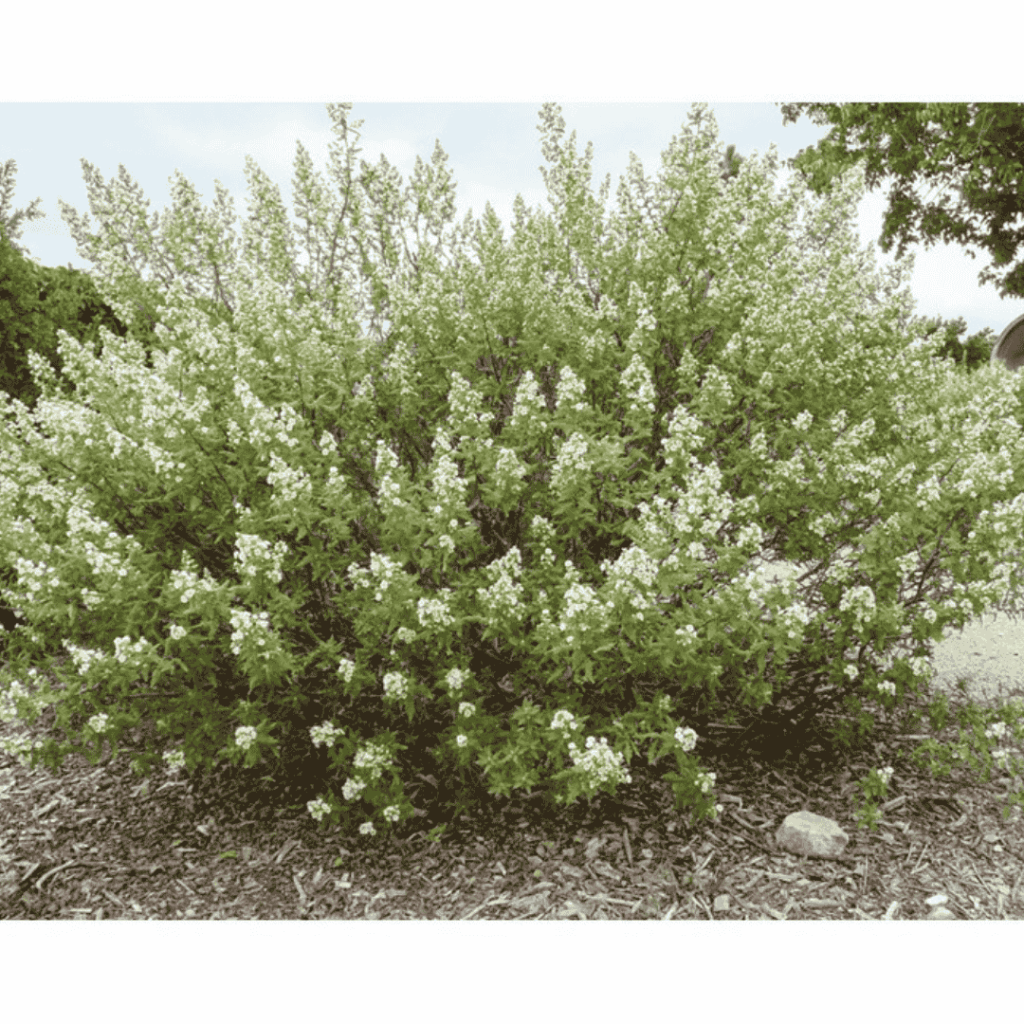
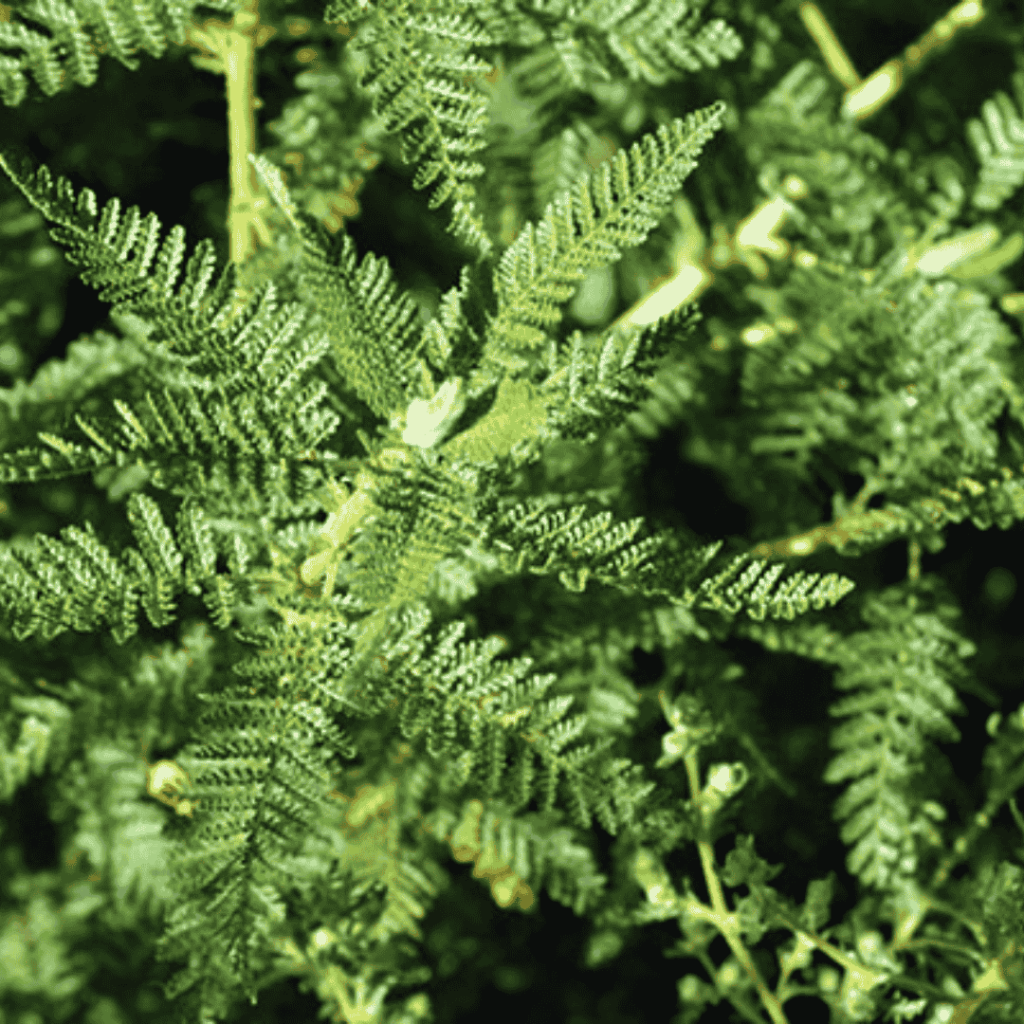
Desert Sweet (Chamaebatiaria millefolium) is a drought tolerant shrub with unique fern-like leaves and fragrant white flowers. Also known as Fernbush, this semi deciduous shrub is a great addition to any native landscape or low maintenance xeriscape. Desert Sweet grows up to 7 feet tall and 7 feet wide, but responds well to annual pruning. Annual pruning will increase foliage density and improve form. The leaves are sticky, gray-green and fern shaped, growing to about 3 inches long. The aromatic fronds can remain evergreen in mild winters, but become deciduous in colder temperatures. Star-like hairs cover the stems and branches. Branches are relatively slender, brownish red in color and exhibit peeling bark when mature.
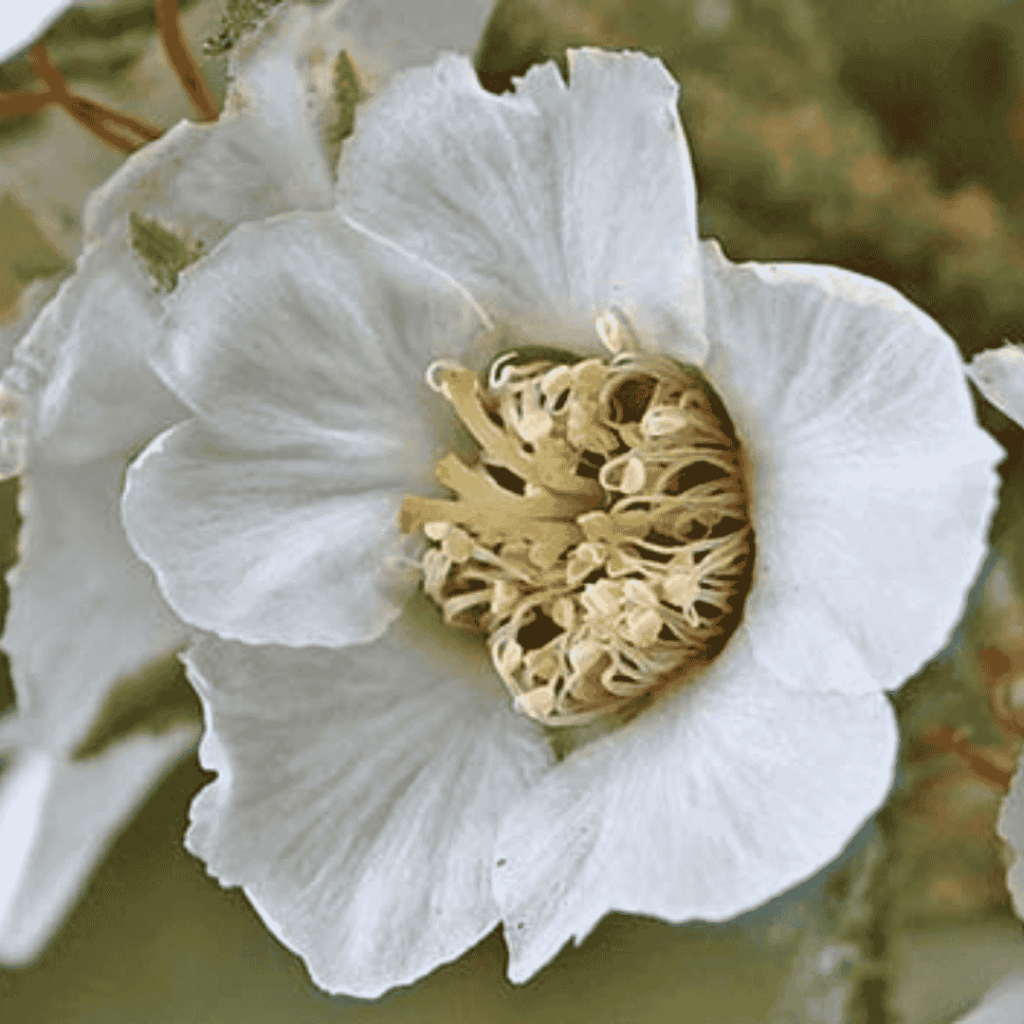
Flowers are ½ inch in diameter and have the form of single roses. The small flowers form cream colored clusters that attract various pollinators like native bees, butterflies and moths, including the Nuttall’s sheep moth and the Holly blue butterfly. Desert Sweet is also a host plant and larval food source for caterpillars. Flowers bloom from June to September.
This arid loving shrub thrives in open, sunny areas with well draining soil. Desert Sweet is known to do particularly well in sandy soils but is also tolerant of most soil types, including those with high pH levels. Propagates easily from seed. Cold-moist stratification for 3-4 weeks will enhance germination, but isn’t absolutely necessary.
Chamaebatiaria millefolium has a native range that exists east of the Cascade and Sierra Nevada mountains. It can be found growing in the northern parts of New Mexico and Arizona up to Oregon and out to Utah and Idaho. Desert Sweet can be found anywhere from 4,000 to 7,000 in elevation and can live in many ecosystems, including Lodgepole pine forest, western hardwoods, chaparral-mountain shrub, pinyon-juniper forest and sagebrush steppe.