Moonfire and Sun Garden Center

Bear Paw

Bear Paw

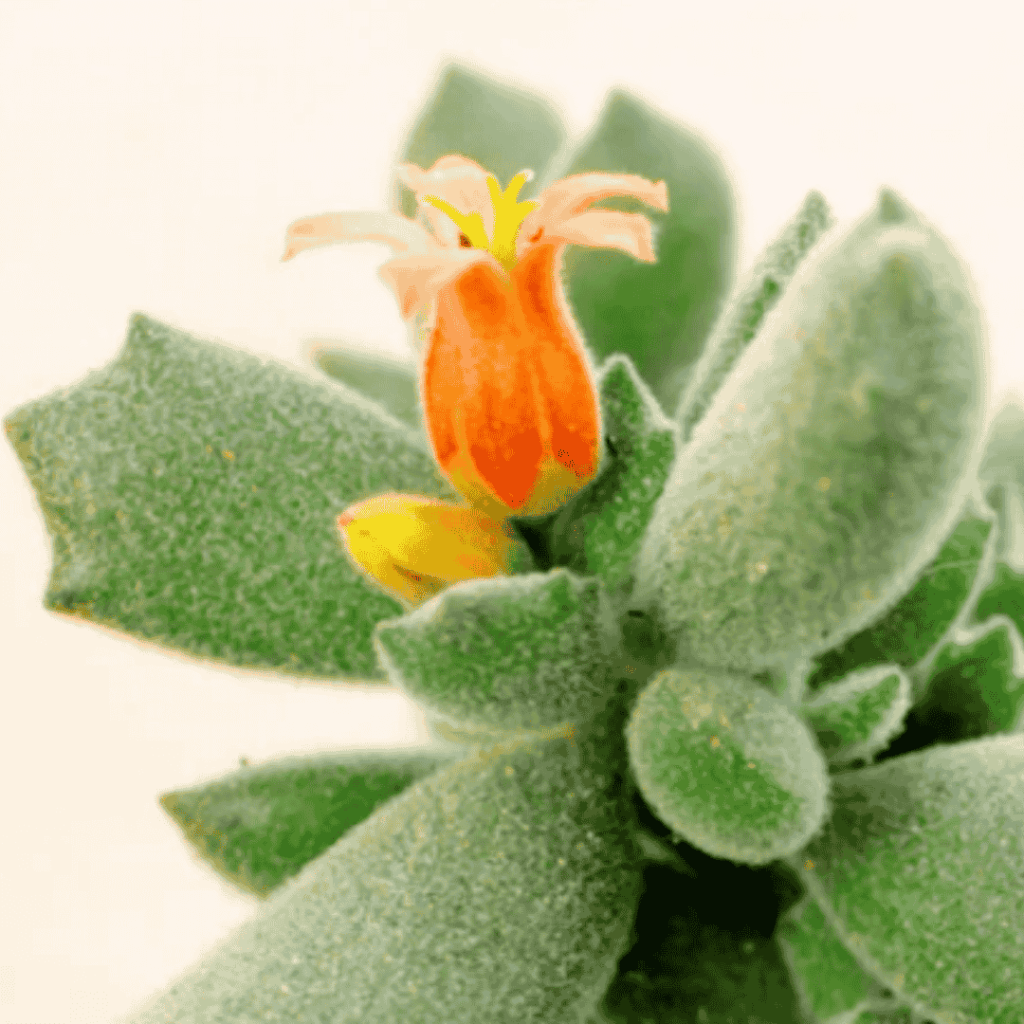
Are you someone who’s always wanted a pet bear but shied away because of the fear of getting mauled? Then say hello to the Cotyledon tomentosa, or bear paw, a fuzzy succulent with paw shaped leaves! You can cuddle this bear anytime without fear. Native to South Africa, bear paws belong to the crassula family, […]
Bear Paw Read More »

Crassula

Crassula

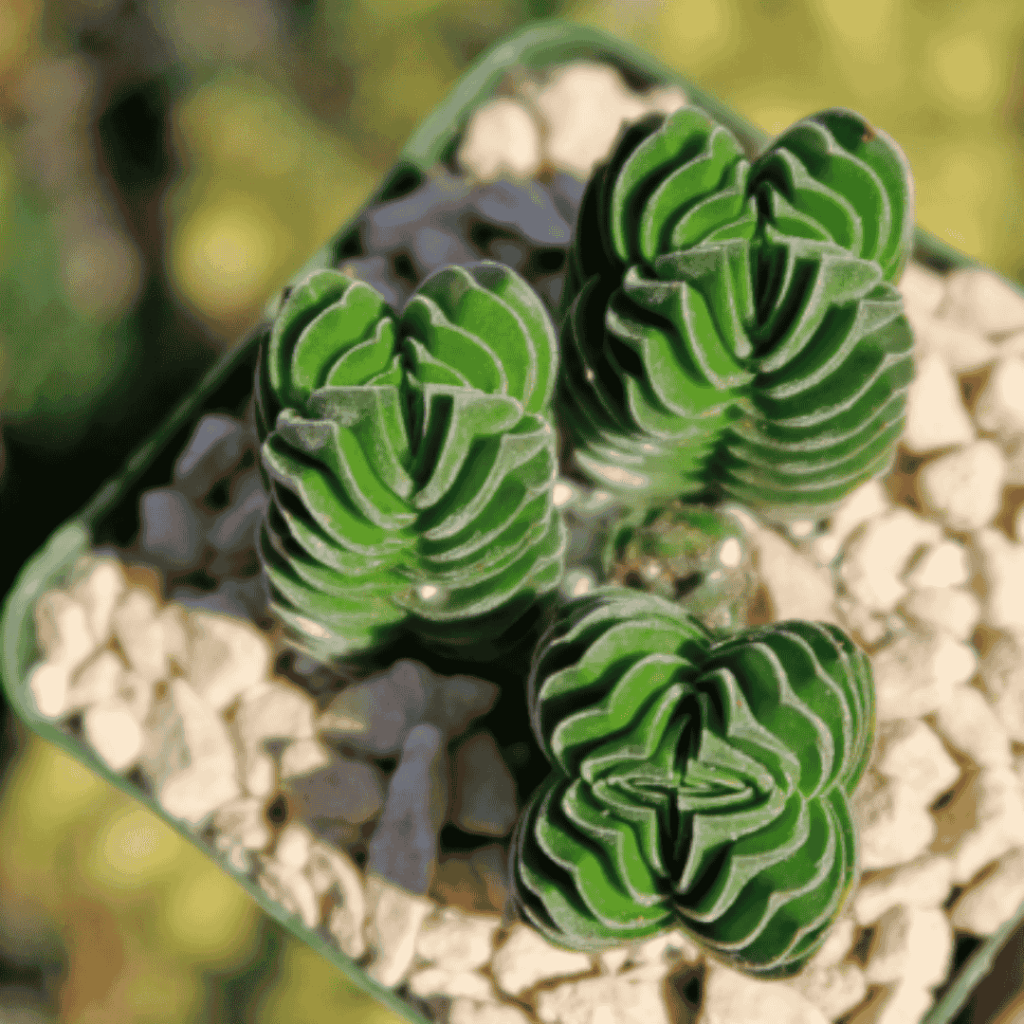
Over 200 species of plants belong to the crassula genus, the most popular being the jade! These are chunky succulents as described by the Latin adjective “crassus” meaning “thick”. Most of these species are found in South Africa, as they are lovers of warmth, sunlight, and arid conditions. A favorite crassula of ours is the

Crassula Read More »

japanese maple selection 2025

Japanese Maple Selection Guide 2026

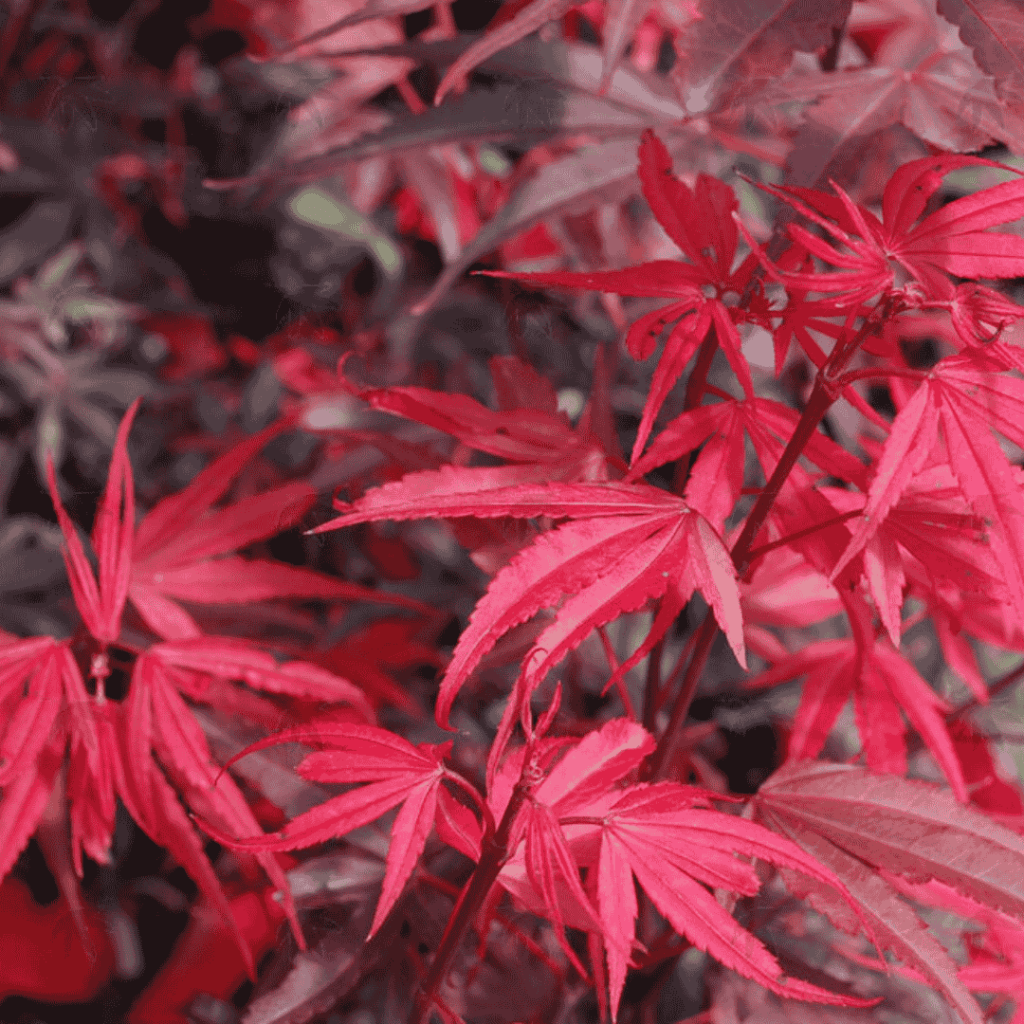
Acer palmatum ‘Atrolineare’ Japanese Maple Semi-dwarf tree with upright habit. Narrow lobed leaves emerge a bright red, fading to purple-green in the summer, followed by red in the fall. Also known as ‘Scolopendrifolium Rubrum’            Size: 15 x 12′ Growth rate: Moderate Exposure: Part Sun-Shade Zone: 5 Acer palmatum ‘Beni hime’ Japanese Maple A dwarf, shrubby

Japanese Maple Selection Guide 2026 Read More »

Callisia

Callisia

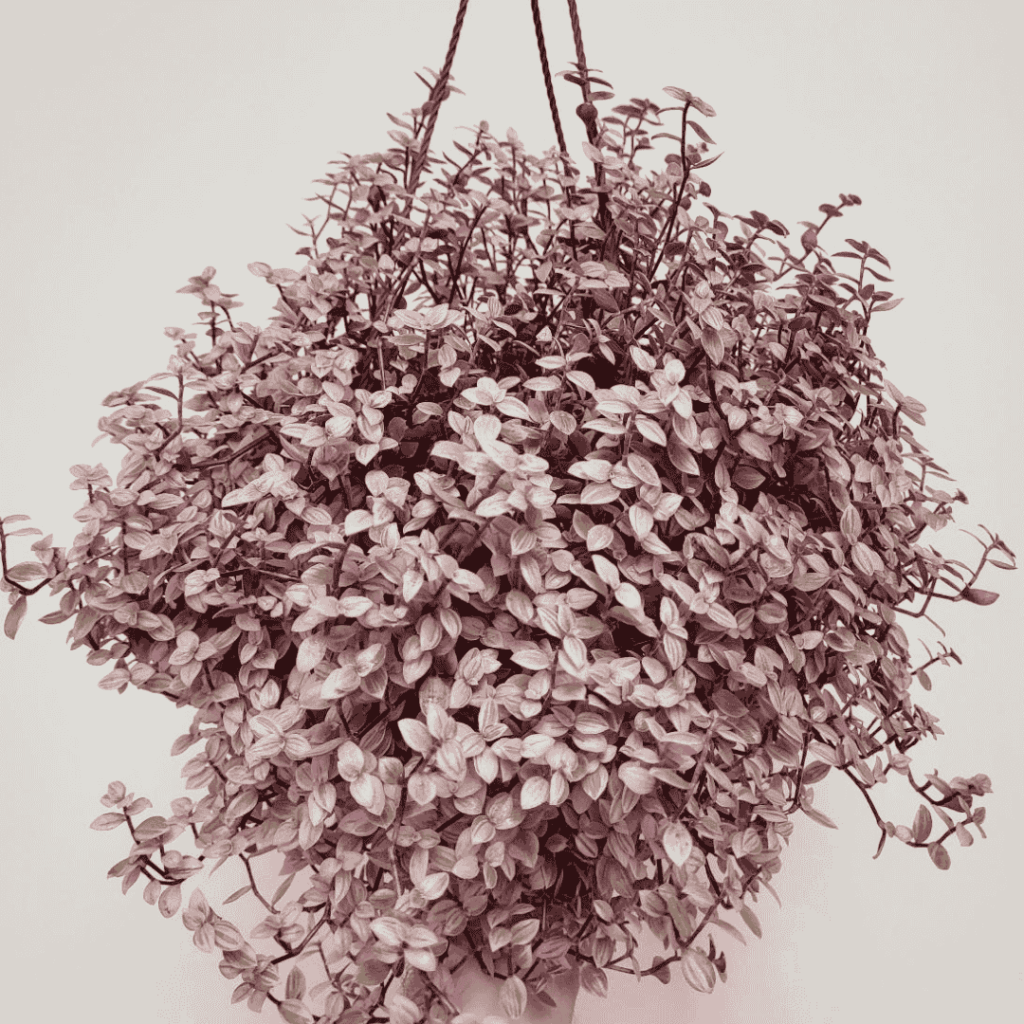
Callisia repens, also known as turtle vine, is a creeping succulent consisting of tiny little leaves that form a trailing mat of foliage followed by odorless flowers. The “pink panther” variety has variegated pink and cream leaves that form a distinctive poof. This species is actually native to the western hemisphere, from the southern part

Callisia Read More »

Caladium

Caladium

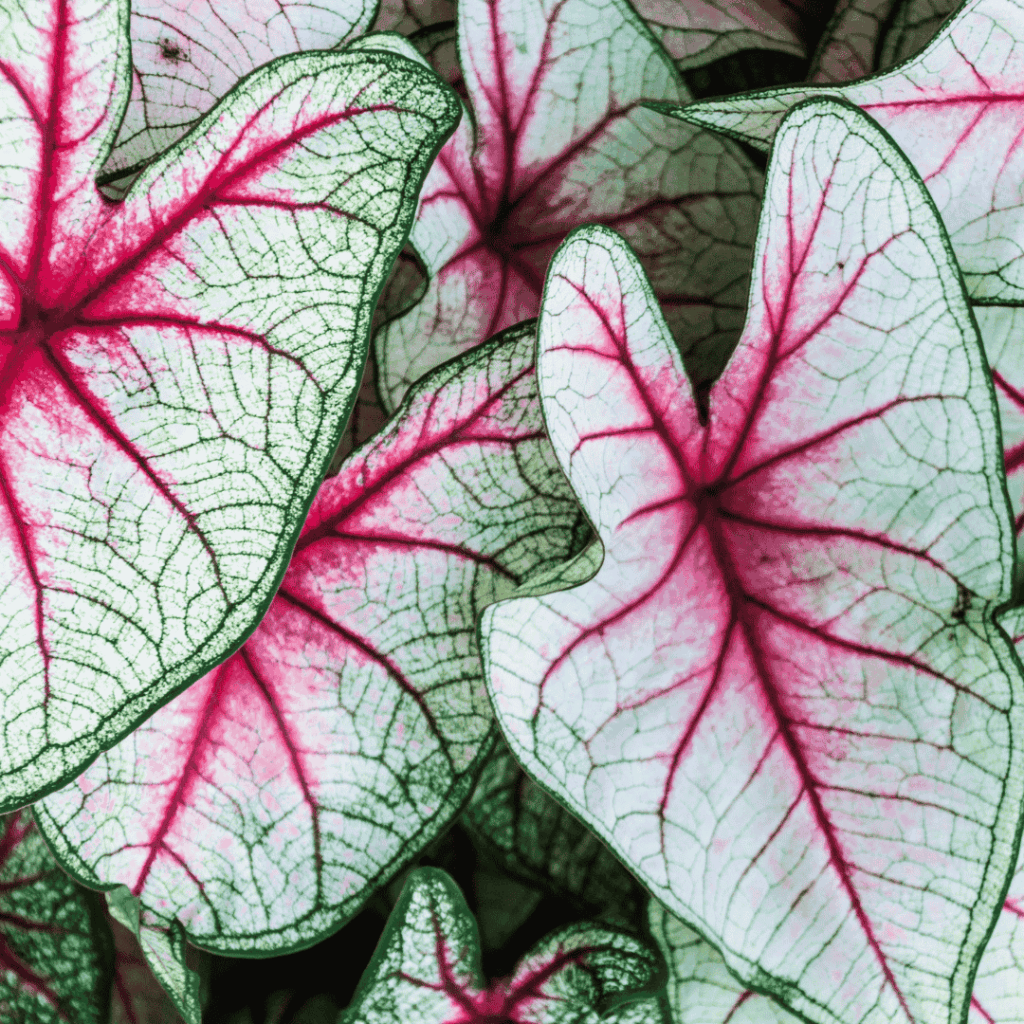
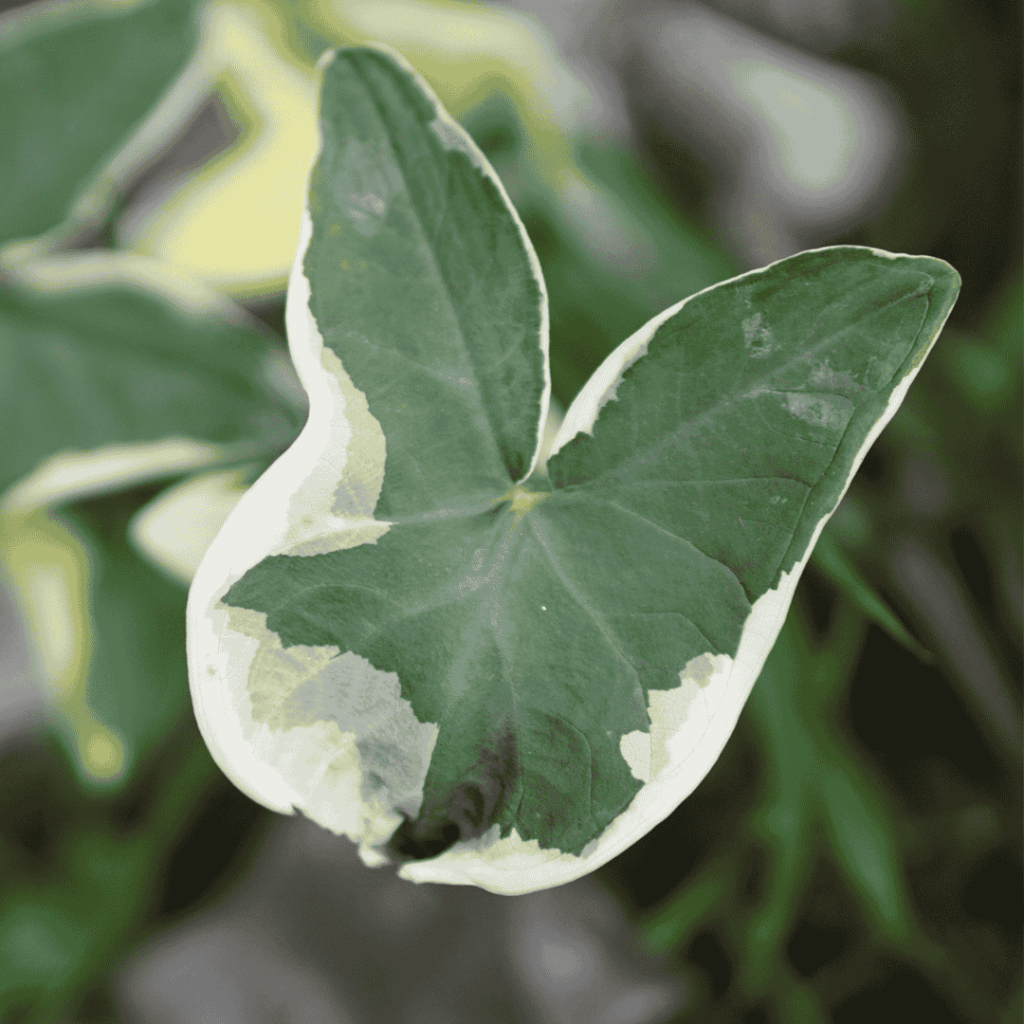
Originally found in South America, Caladiums are colorful houseplants with pointed leaves. There are two types of caladiums; fancy and lance leaved. Fancy caladiums have heart shaped leaves, while the lanced have narrower, arrow shaped foliage.  Most of the time you’ll see the fancy in a plant store. Caladiums grow from tubers and are often

Caladium Read More »

Cacti

Cacti

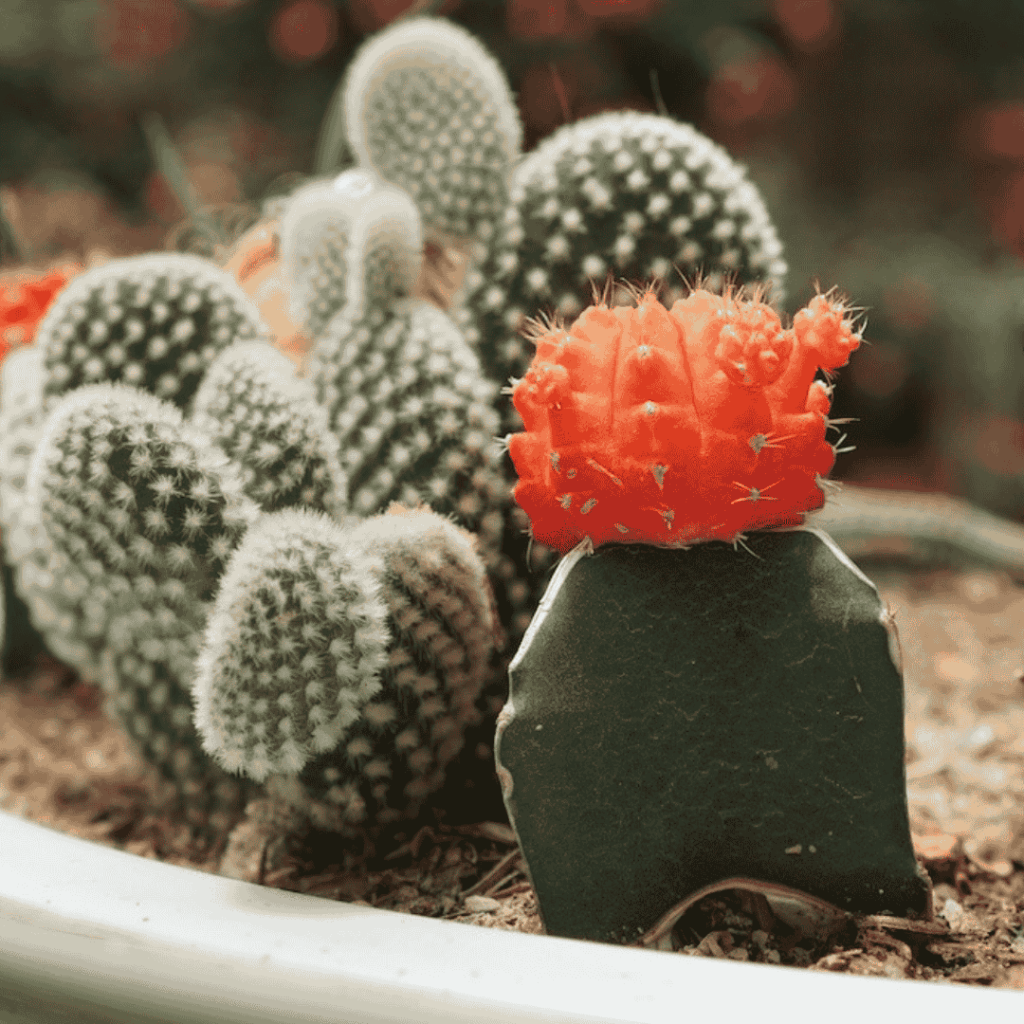
Cacti is the general term for succulents that have grown spines to adapt to their dry environments. Cacti don’t truly have leaves or branches. They instead grow areoles, the bumps in which spines and flowers grow from. Spines actually help cacti retain water! They decrease the air flow around the plant to trap moisture in.

Cacti Read More »

Alocasia

Alocasia

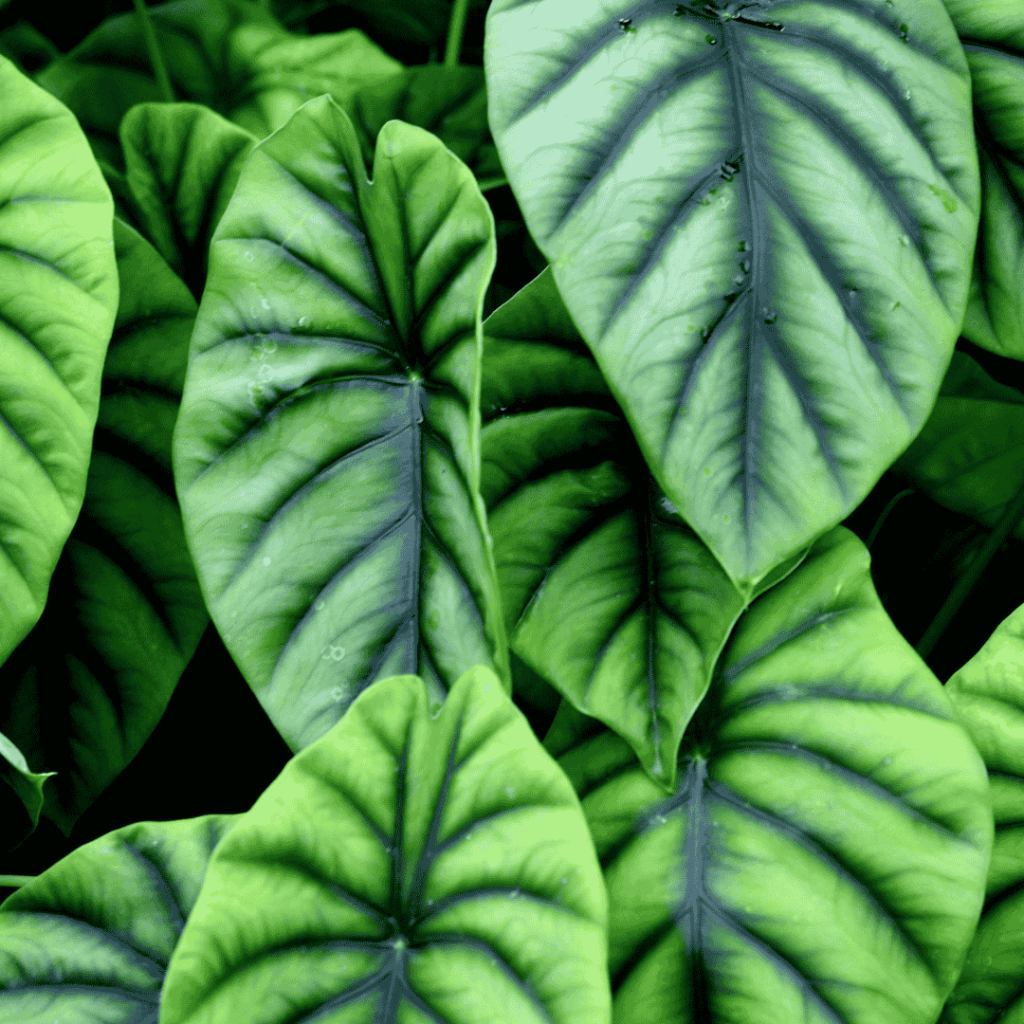
If you’ve kept an alocasia alive as a houseplant in Central Oregon, you’re a superstar. If there was a human embodiment of the alocasia, it would be a Hollywood diva. What we’re trying to say here is that, like the many assistants required by the famous actors, this plant takes a deeply green thumb, maybe

Alocasia Read More »

Arrowhead

Arrowhead

Otherwise known as Syngonium podophyllum, these plants are a species of aroid native to a majority of Latin America and Mexico. While most often called arrowhead plants due to their clusters of spear-shaped leaves, the latin word “podophyllum” actually means “with foot-like leaves.” We’ve never seen feet shaped quite like this, so we’ll stick with

Arrowhead Read More »

Carnivorous Plants

Carnivorous Plants

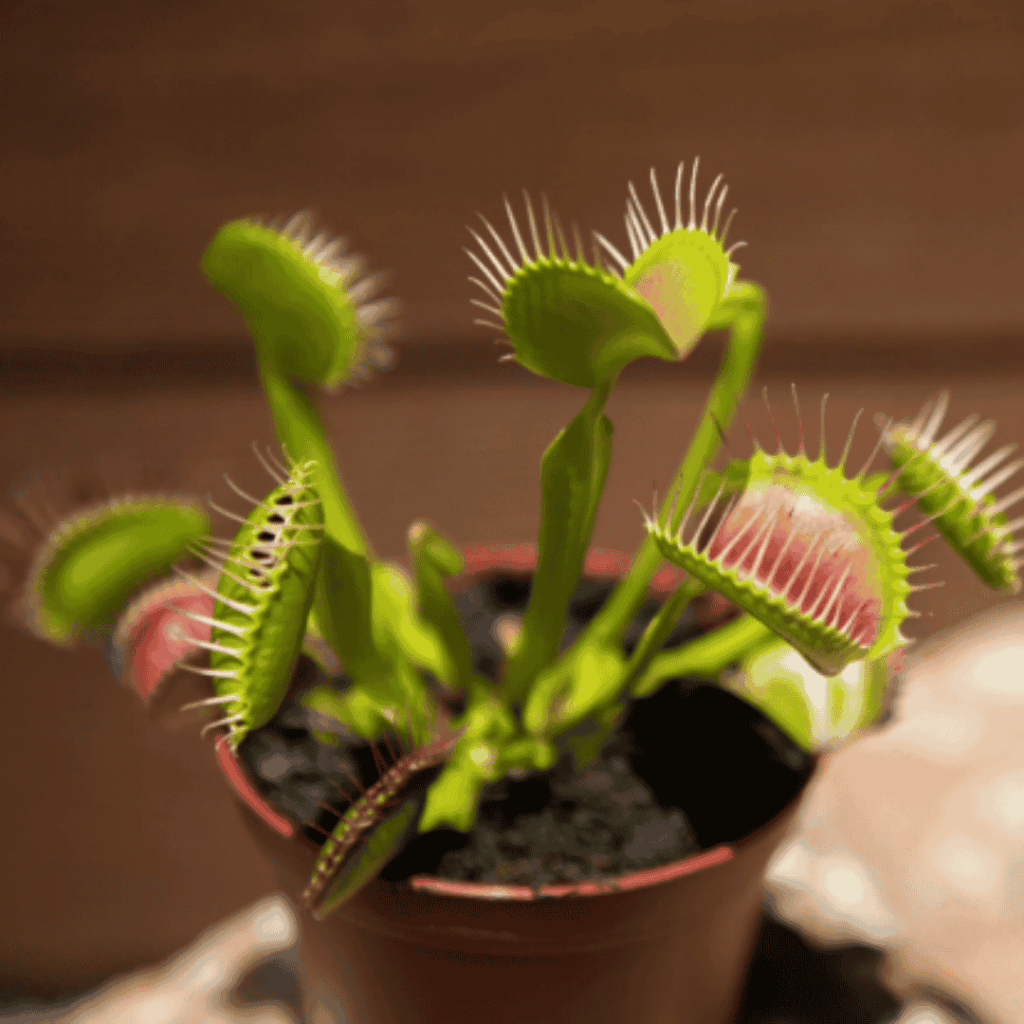
Plants are considered carnivorous if they capture and kill prey in traps, digest and absorb nutrients from that prey and continue to grow and develop. At Moonfire, we generally have pitcher plants, venus flytraps and sundews in stock. Pitcher plants produce a leaf tube in which the inside walls are coated in a slippery wax.

Carnivorous Plants Read More »

Clusia

Clusia

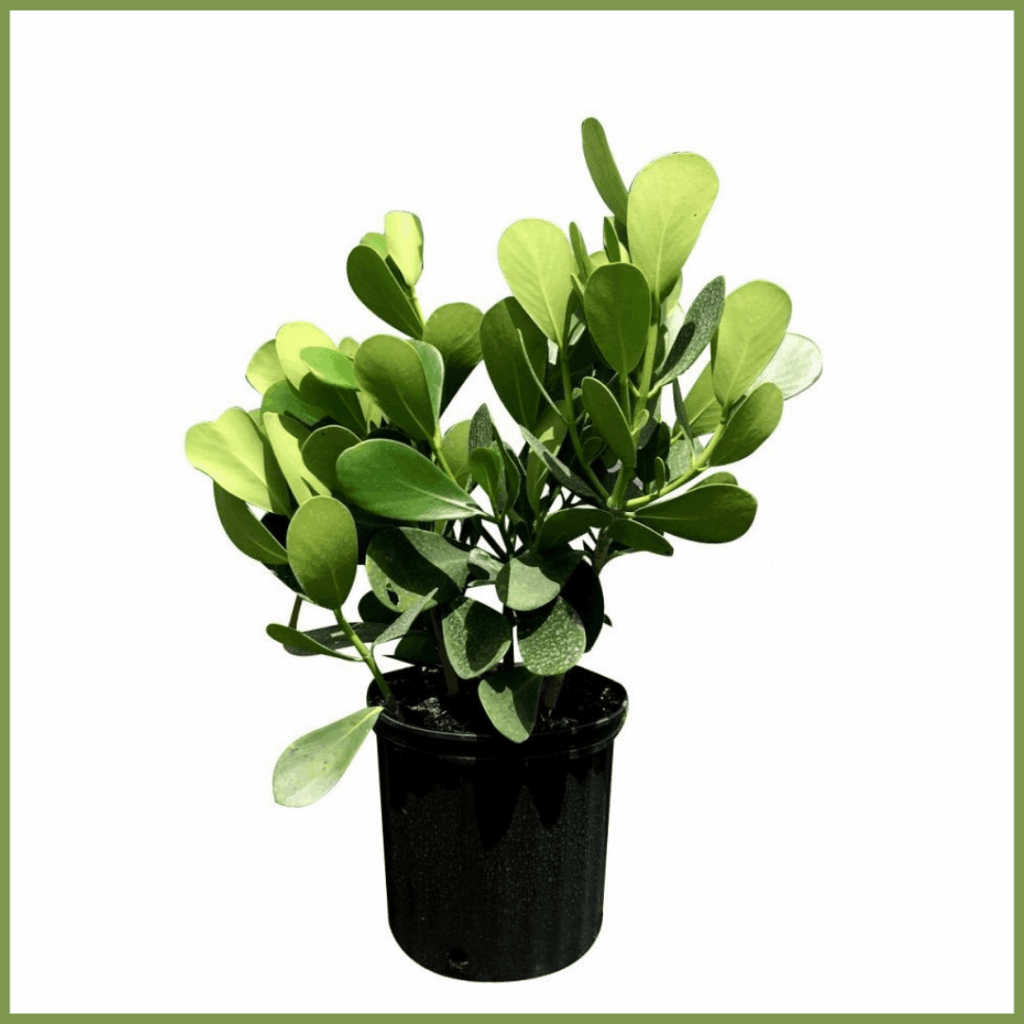
If your aesthetic is simple, sturdy and straightforward, the clusia is the houseplant for you. Clusia rosea, named after the botanist Carolus Clusius, is a bushy tropical with thick, smooth, succulent-like paddles. Native to the neotropical regions of North and South America, they are often planted as privacy hedges due to their fullness and fast

Clusia Read More »

Coffee Plant

Coffee Plant

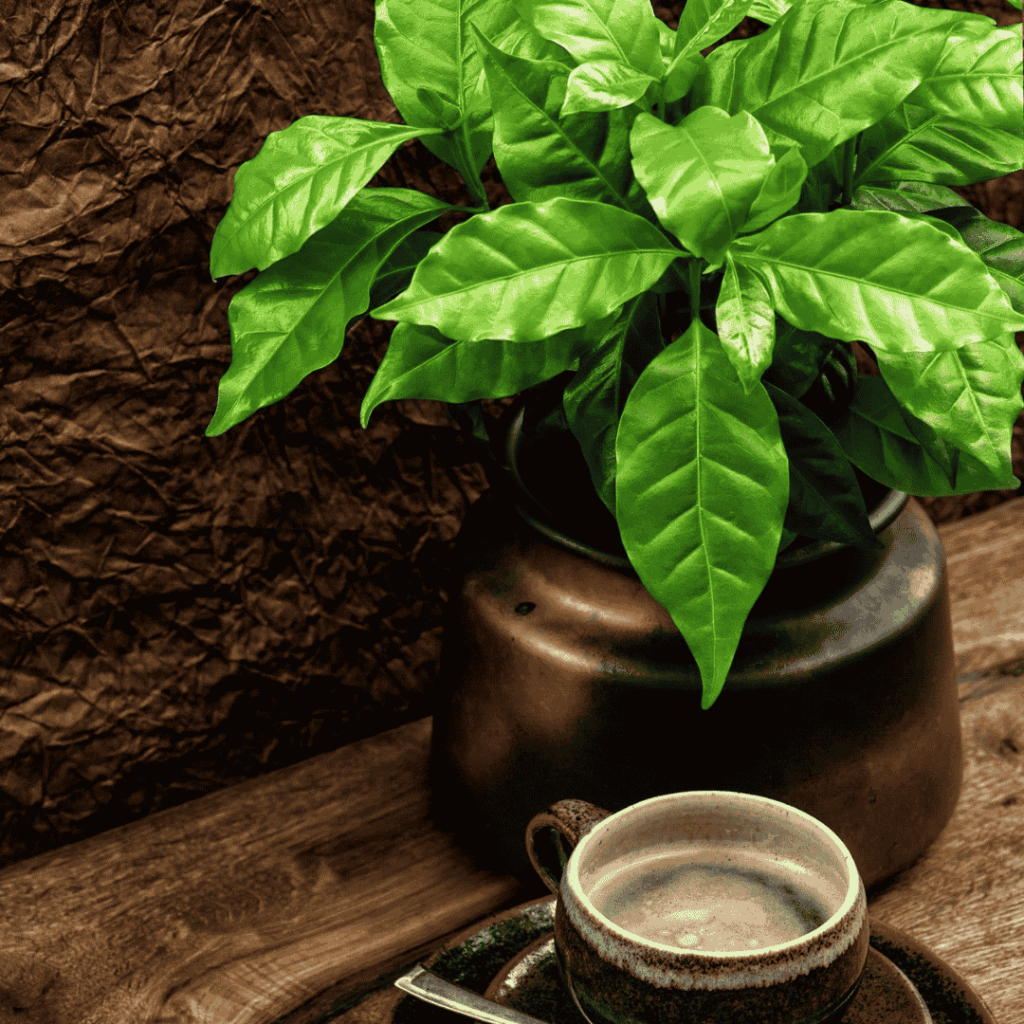
Coffea arabica or the Arabian coffee plant is for the java lovers out there! This is the dominant species grown for coffee production all over the world. It grows natively only in South Ethiopia and Yemen. Arab scholars were the first to record the benefits of coffee, highlighting that it prolonged their working hours! It

Coffee Plant Read More »

Goldfish Plant

Pet Safe Houseplants

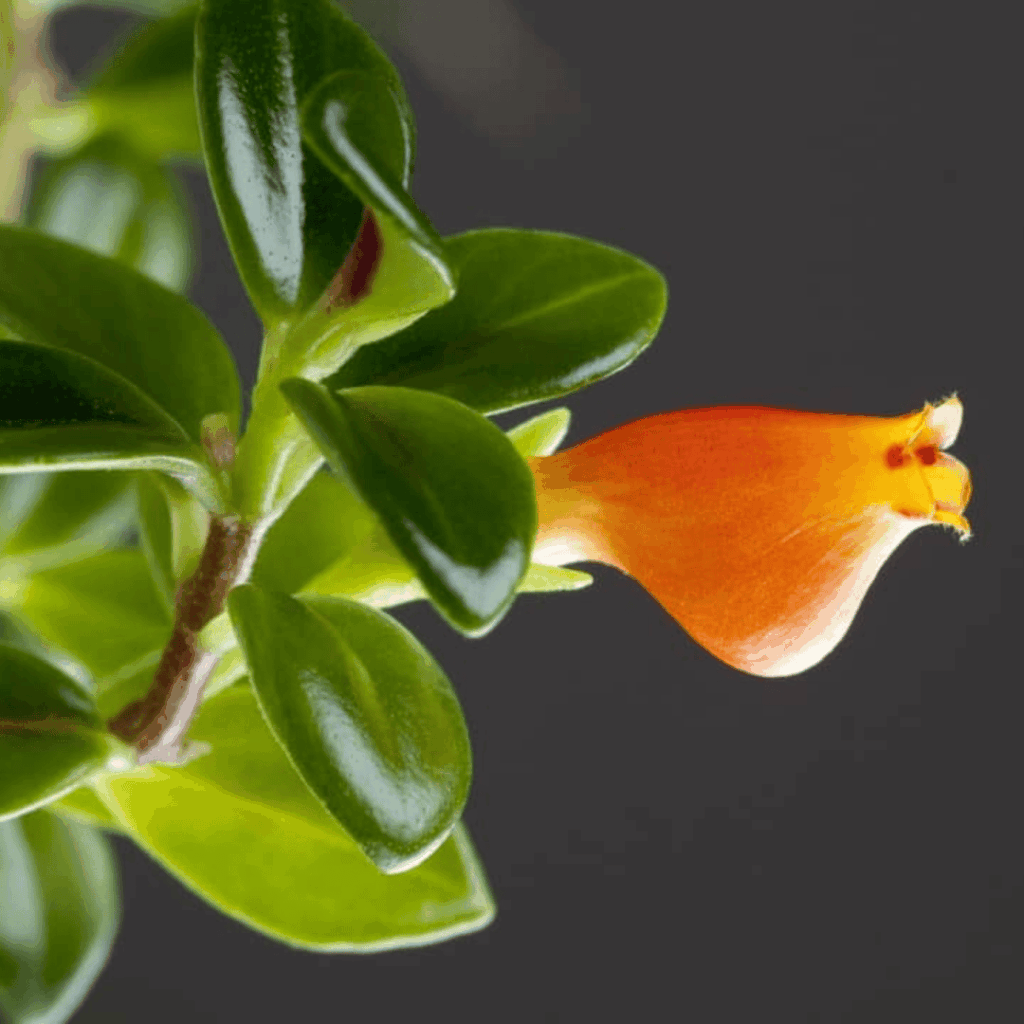
Studies show that roughly 71% of families in the US own at least one pet. Studies also show 66% of families in the US own at least one houseplant. That’s a significant overlap! With there being over 700 species of houseplants reported causing illness in pets, how can pets and houseplants coexist safely and happily?

Pet Safe Houseplants Read More »

Ponytail Palm

Ponytail Palm

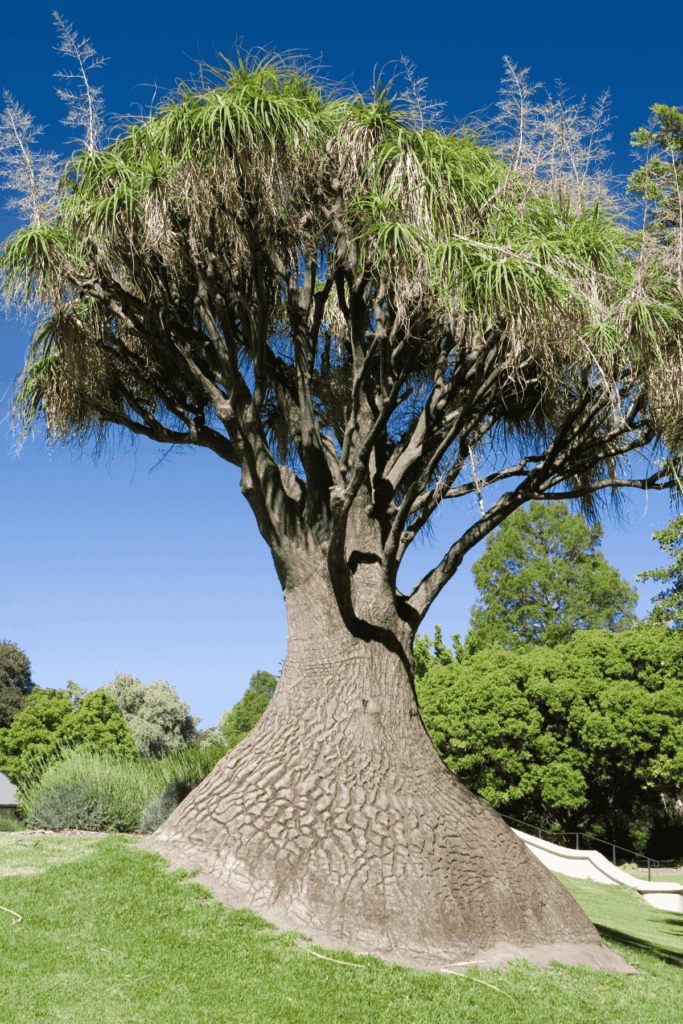
Looking for an easy office plant? Try a ponytail palm! It’s anything but high-maintenance like it’s long name. It’s great for busy people who don’t have the time to mist or constantly water. This unique palm, or Beaucarrnea recurvata, is an upright houseplant with ribbon-like leaves and a bulbous root ball. Accustomed to the arid,

Ponytail Palm Read More »

Parlour Palm

Parlour Palm

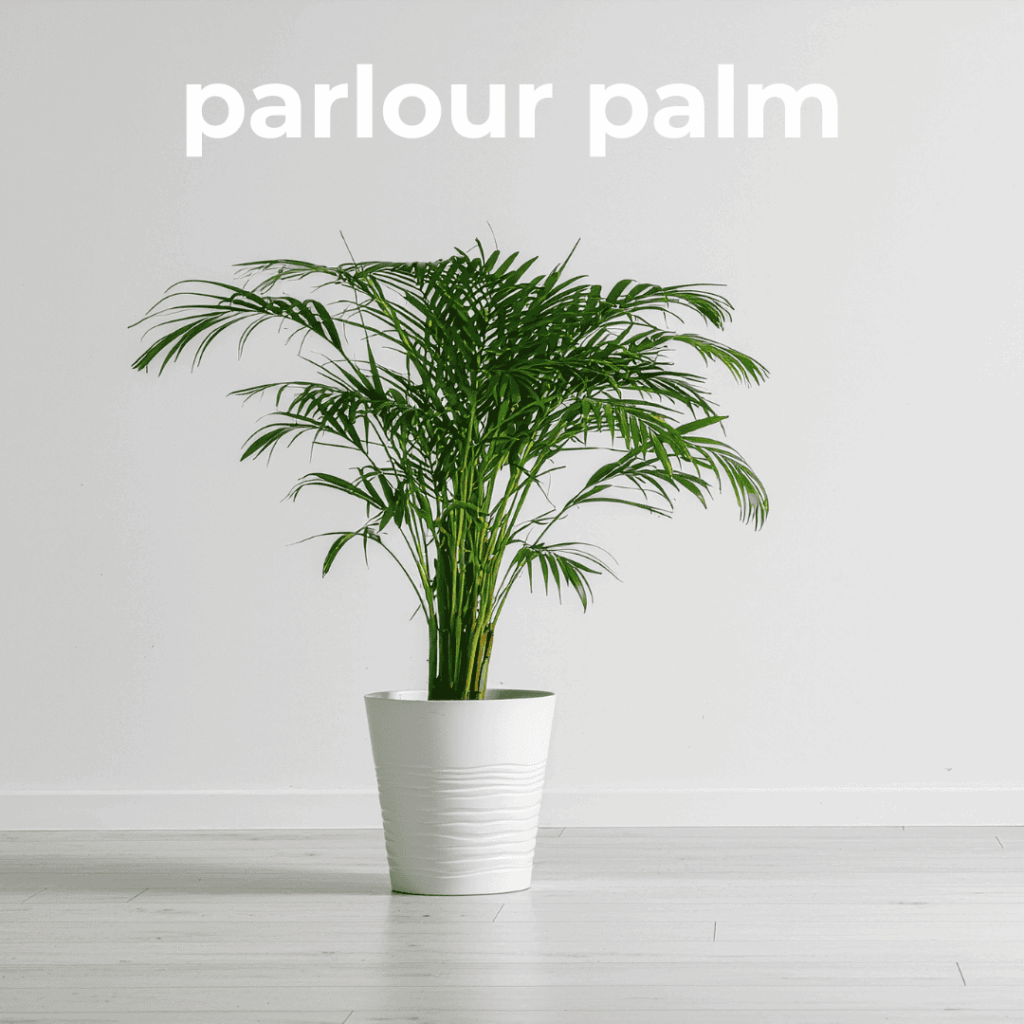
Meet the parlour palm, or Chamaedorea elegans! Also called a neathe bella palm, these are lush, flouncy tropicals that add a fun texture and fullness to your houseplant collection! Imagine one of these stunning green specimens placed in a fun orange pot, illuminated in the morning light, casting geometric shadows across the floor…yes please! Bringing

Parlour Palm Read More »

Rubber Plant

Rubber Plant

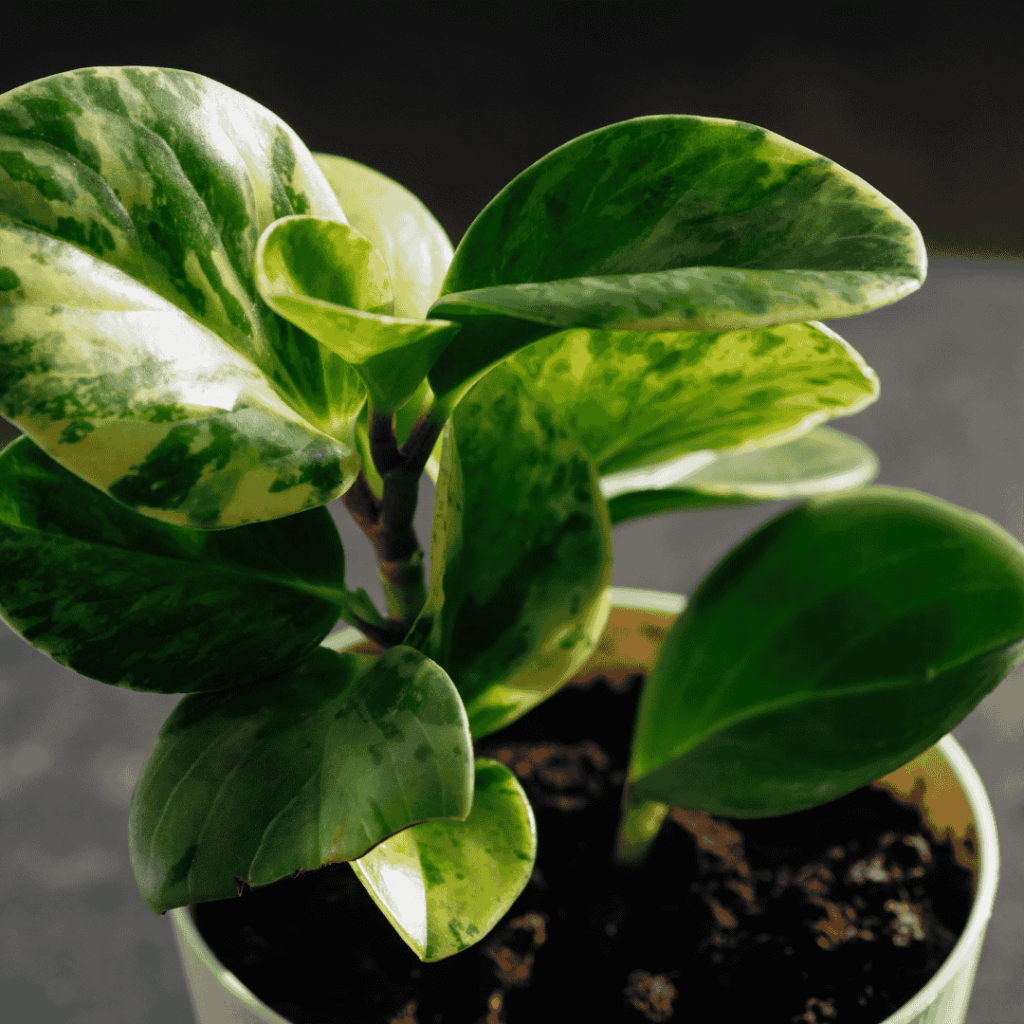
The baby rubber plant, or Peperomia obtusifolia, not to be confused with the rubber tree, is a perfect houseplant for beginners with a lovely upright growth pattern. Its round paddles and unique weaving branches makes for a charming addition to your houseplant family. And there’s more to love as it is low drama! It grows

Rubber Plant Read More »

Zebra Haworthia

Zebra Haworthia

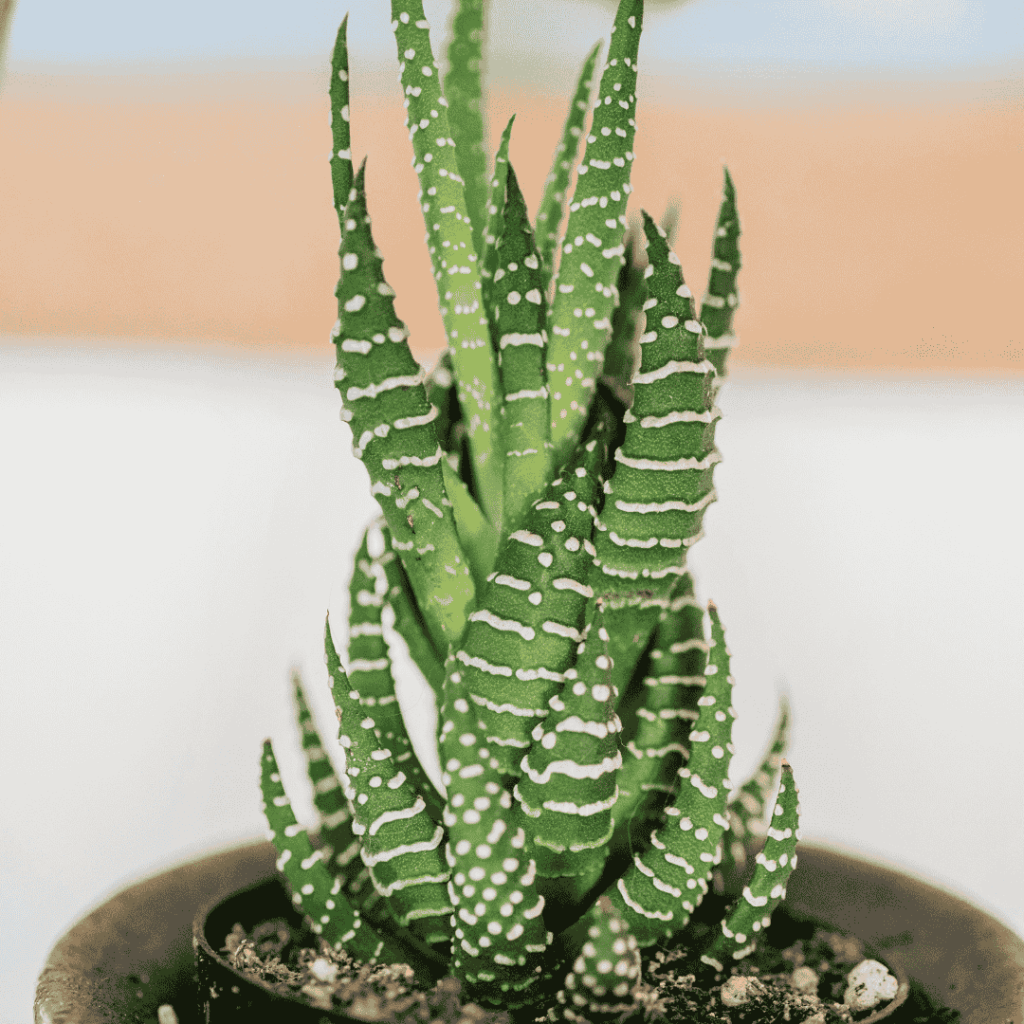
Zebra Haworthia, or Haworthia attenuata is a small succulent from the Eastern Cape Province in South Africa. If you’re looking for something that stays tiny for your desk at work, this is your sign to pick up a haworthia! Clusters of spiky green stems with white zebra stripes poke up from the base in an

Zebra Haworthia Read More »

African Violet

African Violet

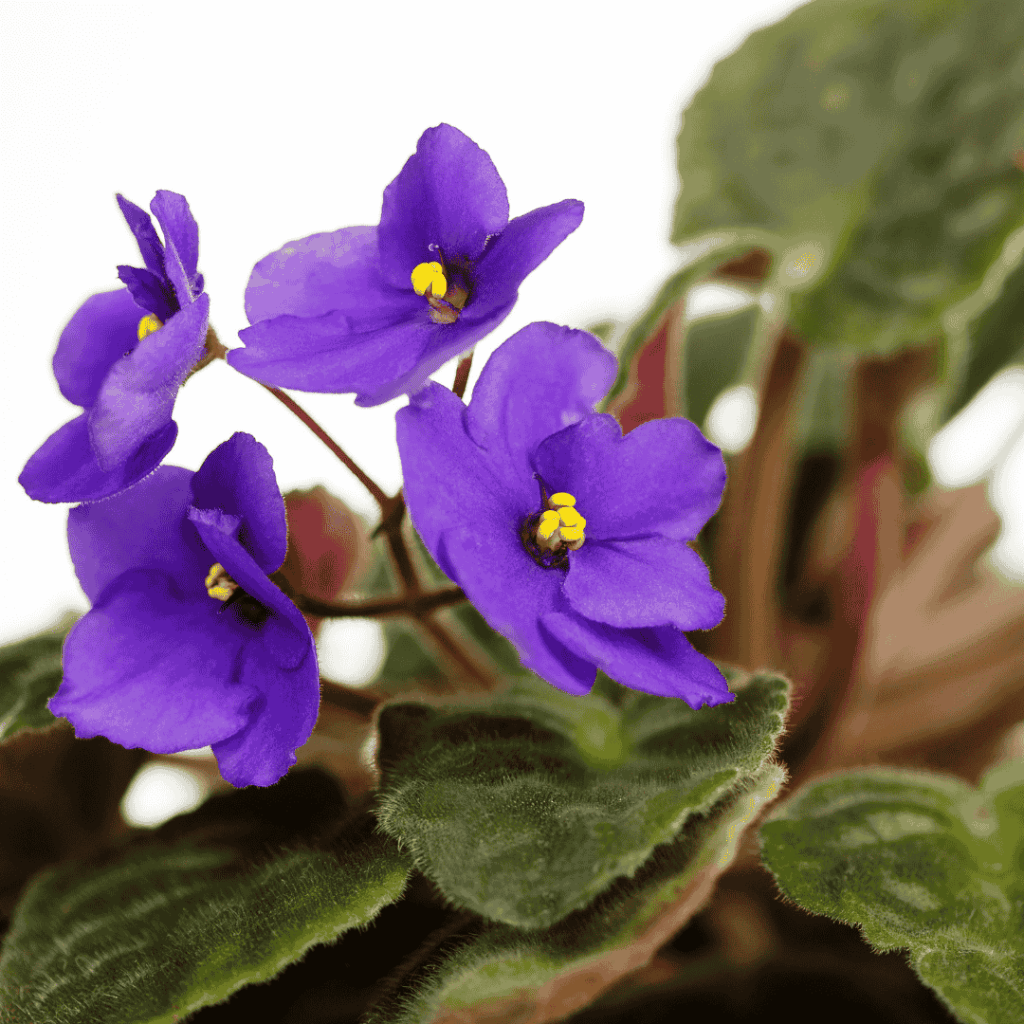
African Violet, or Streptocarpus Saintpaulia spp., is a classic stunner that flies off our shelves each week. Their fuzzy round leaves grow in clusters culminating in adorable pastel flowers. When looking for a gift to give someone special, this is the houseplant people flock to 90% of the time. It comes in many different colors

African Violet Read More »

Polka Dot Plant

Polka Dot Plant

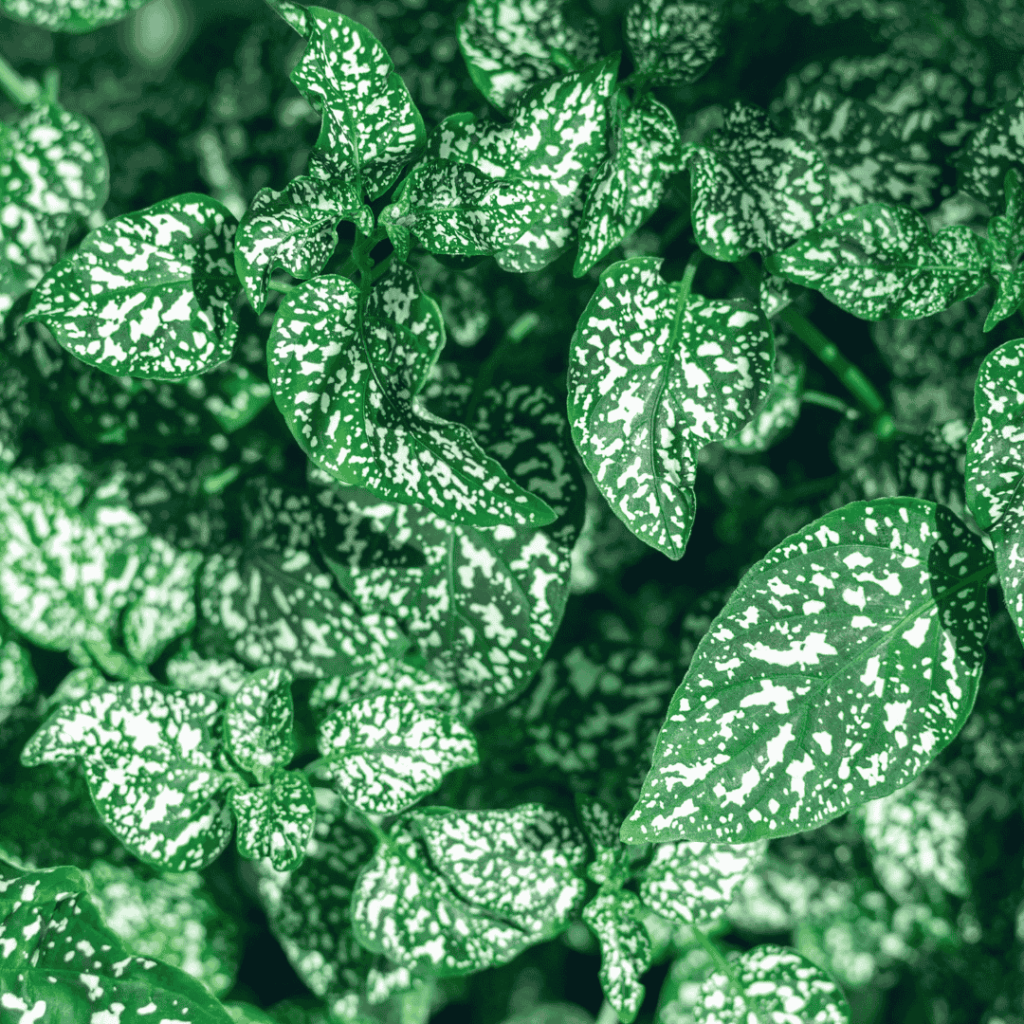
Polka Dot Plant, or Hypoestes phyllostachya, is an immediate blast of cheer. Lime green leaves peppered with speckles of pinks, whites and reds mound together in a delightful clump of foliage. They’re especially attractive when planted in a pot with other patterned foliage like calathea for a dazzling array of shapes and colors! Native to

Polka Dot Plant Read More »

Spider Plant

Spider Plant

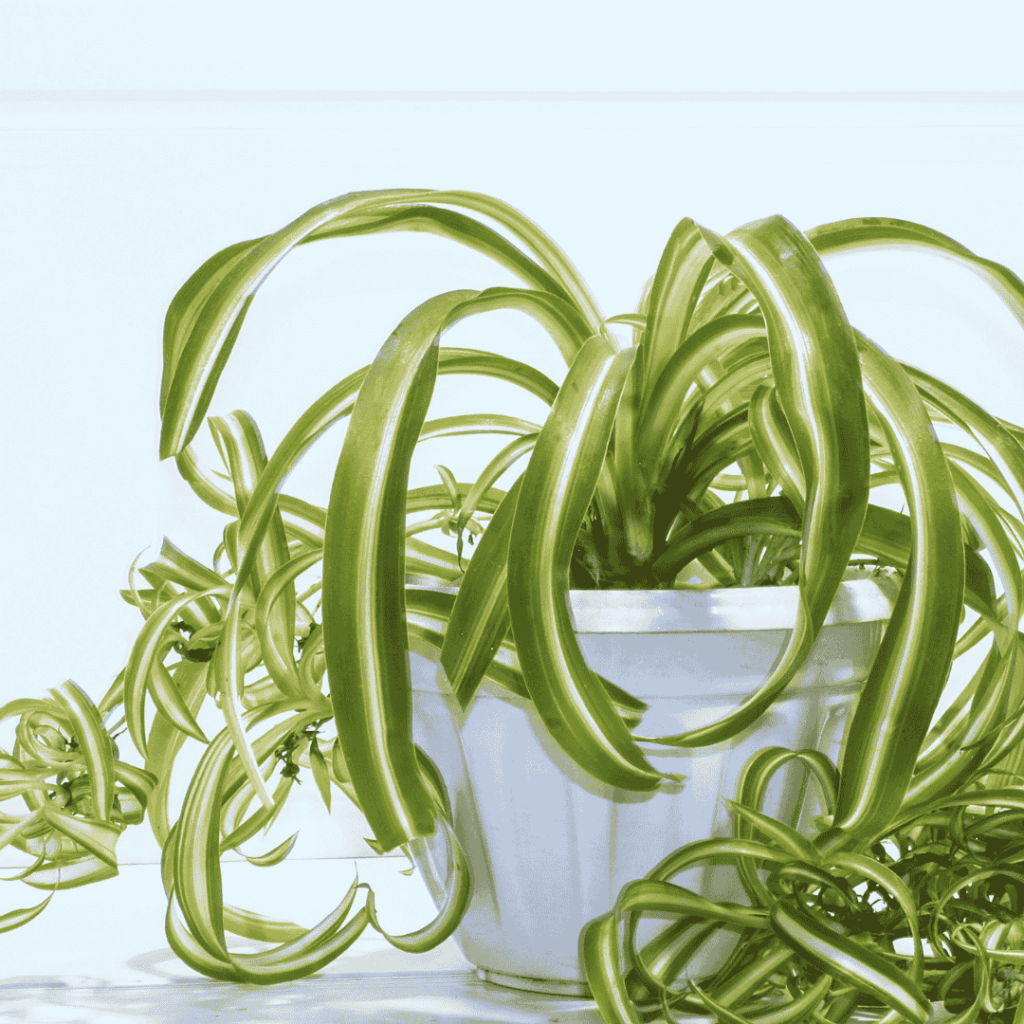
Ah, the spider plant. An absolute classic. It’s painfully easy to take care of, inexpensive and often the first plant one starts off their houseplant journey with. Some of you may think it’s unattractive or boring. But its demure appearance and low-drama nature is deceiving. It’s truly a special houseplant in many ways. Not convinced?

Spider Plant Read More »

Creeping Charlie

Creeping Charlie

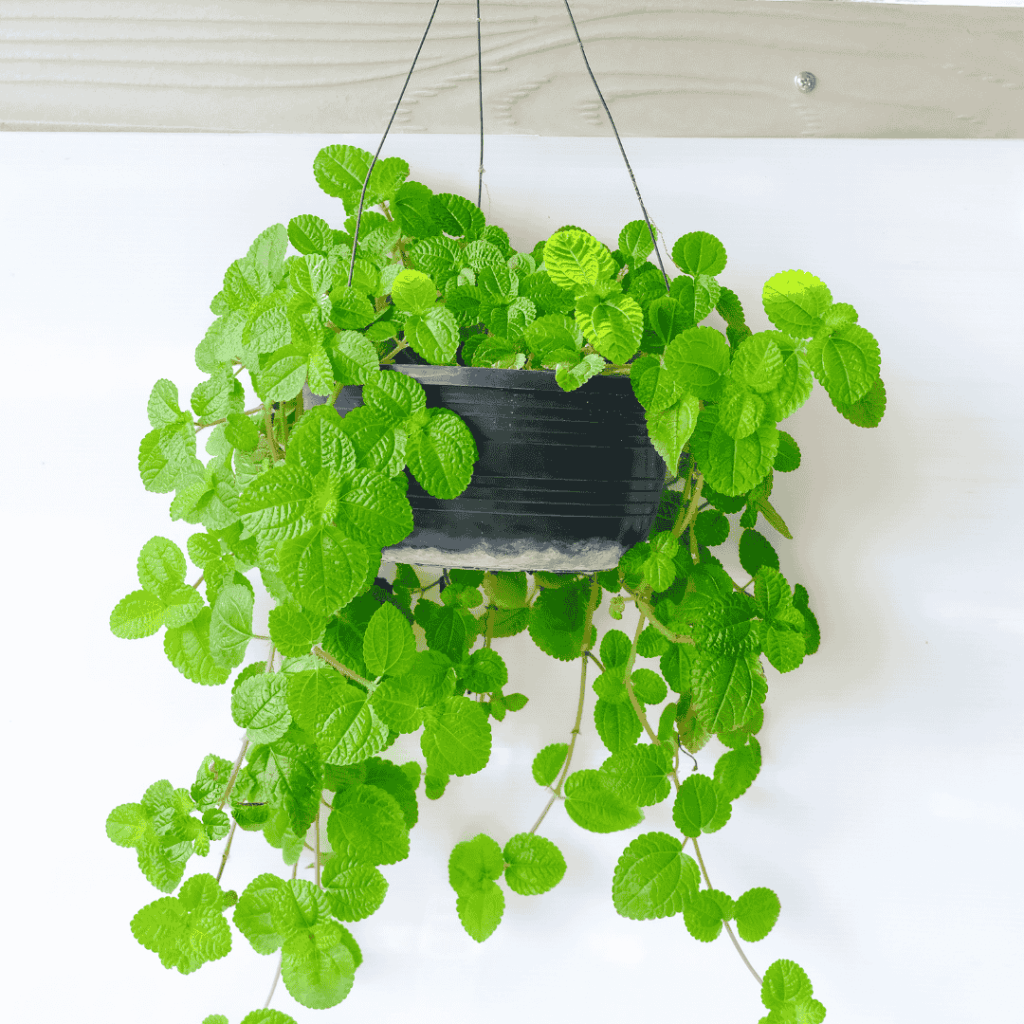
Swedish Ivy or Plectranthus australis, best known as creeping charlie, is the perfect houseplant for the romantics out there. Layers of ruffled leaves drape poetically down their pots like feathered boas. They’re soft and delicate and also come in a variegated variety with lacy white edges. If you’re lucky enough to get them to bloom,

Creeping Charlie Read More »

Scroll to Top