Annuals

Dusty Miller

Dusty Miller

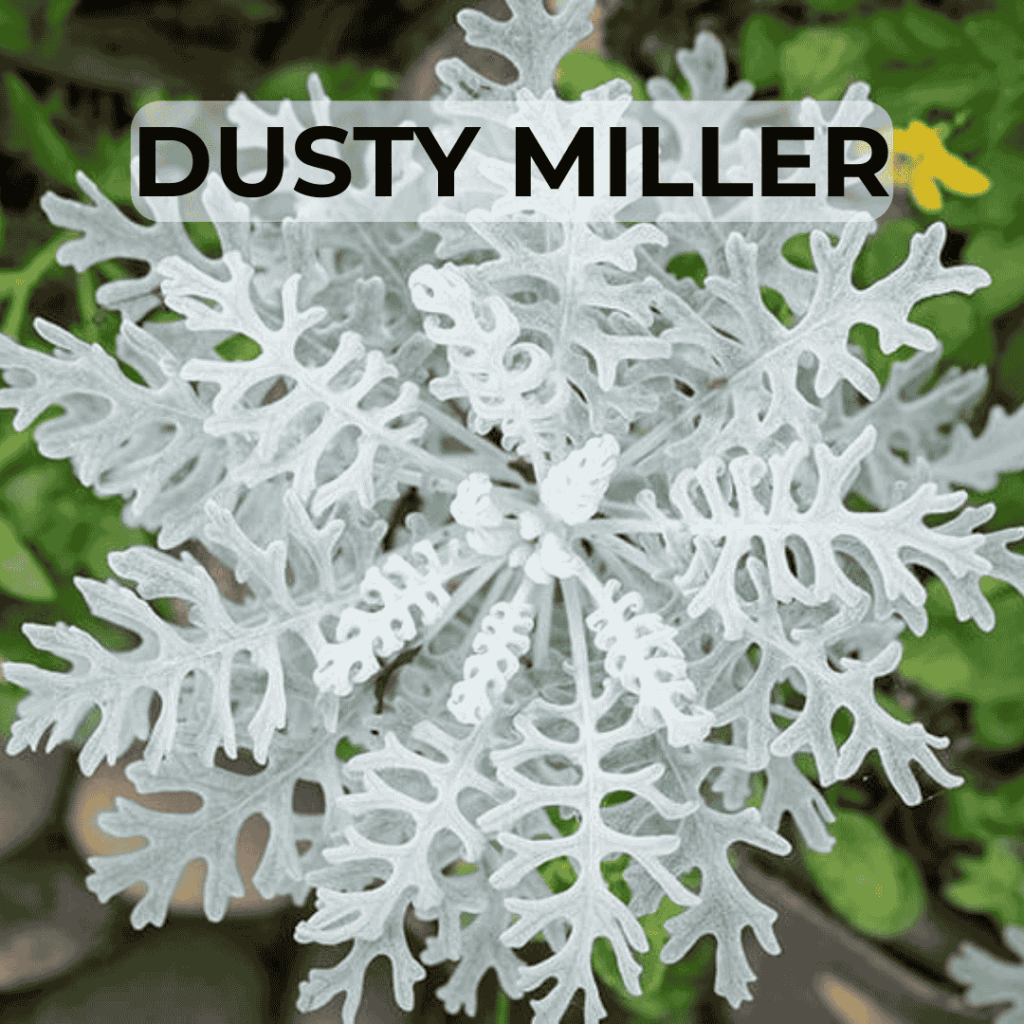
Indigenous to hot and dry areas of the Mediterranean, dusty miller or silver ragwort, is a demure and non flashy addition to your garden bed. Its icy grey foliage provides a refreshing alternative to the sometimes tired colors of common plants and its wavy, soft and textural foliage really adds an enchanting backdrop to a […]
Dusty Miller Read More »

Dahlia

Dahlia

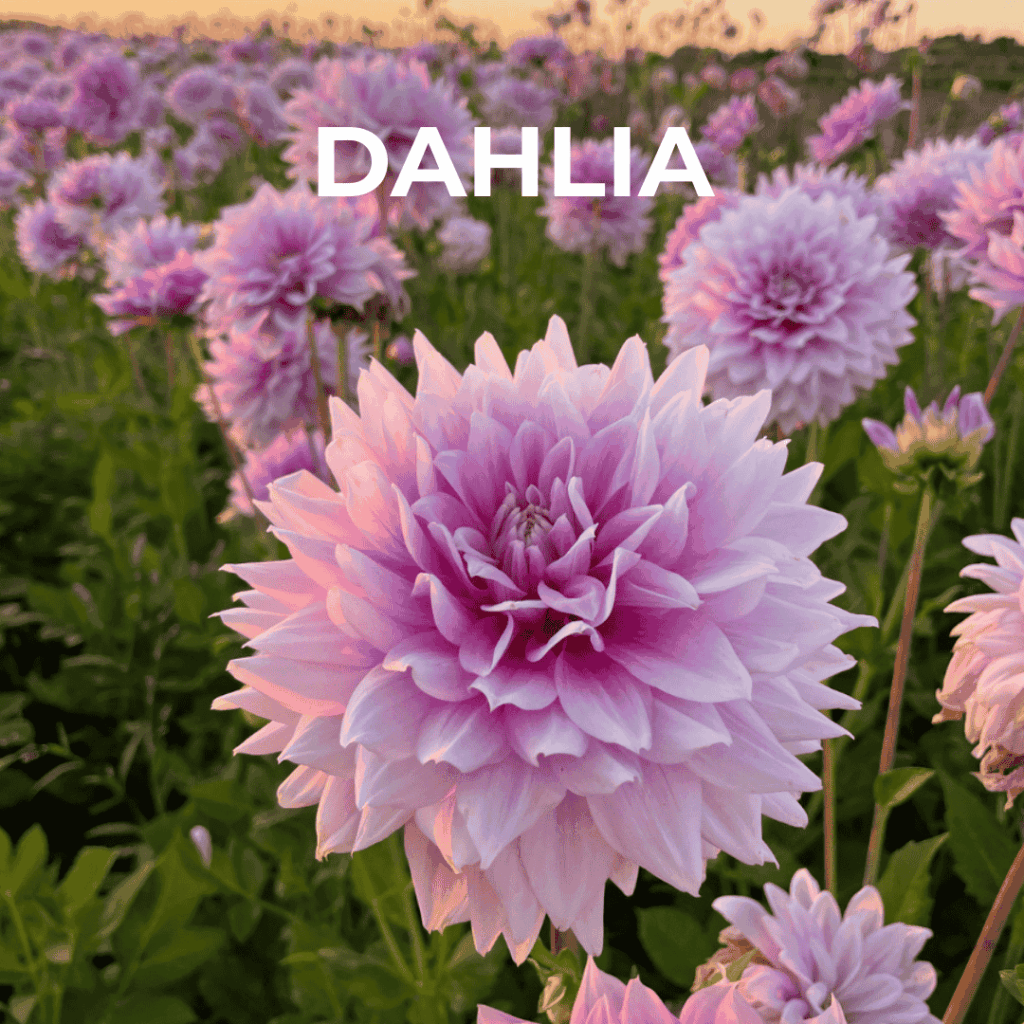
One of the most mesmerizing flowers in the garden, the dahlia is hard to beat. Its complex, mandala like, winding pockets of petals create a satisfying puff ball bloom that’s sure to make you do a double take! Find a space in your garden that gets full sun exposure and plant dahlia bulbs in the

Dahlia Read More »

Cyclamen

Cyclamen

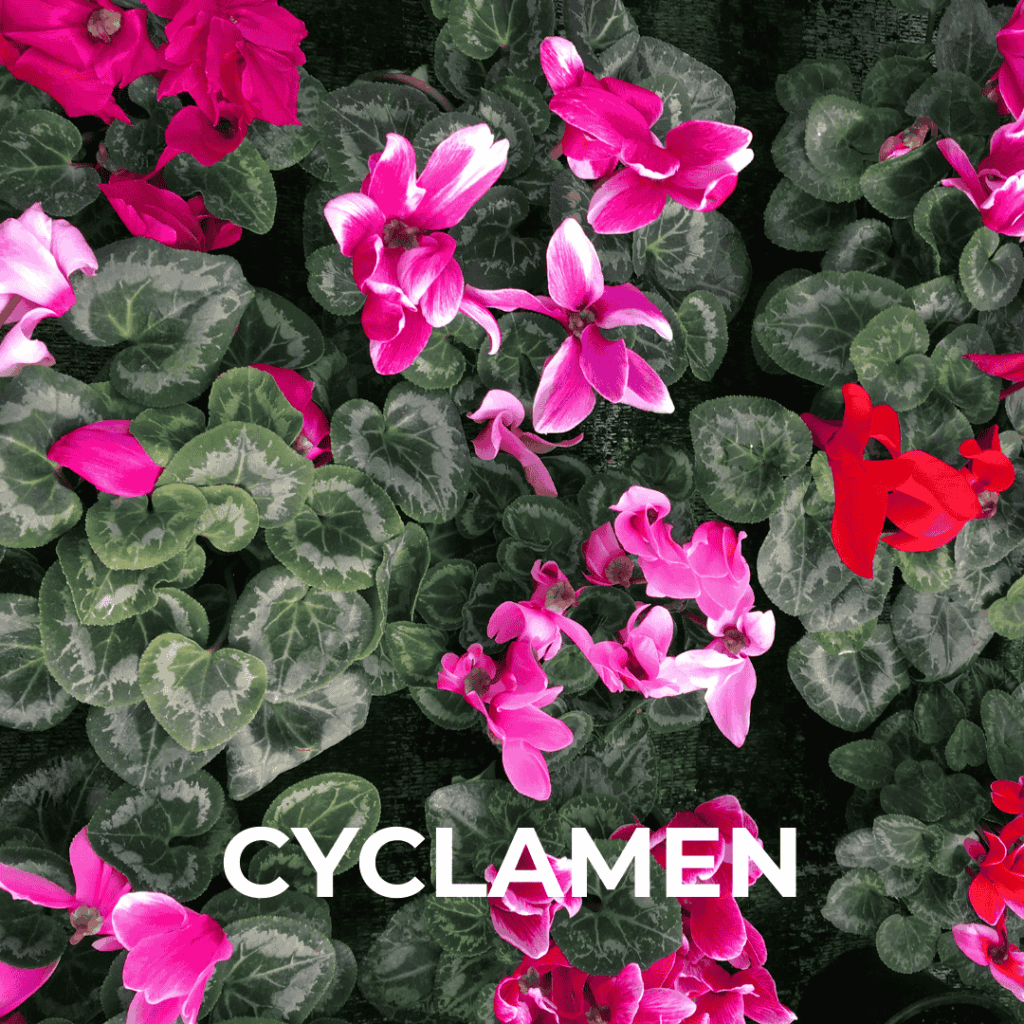
A cold tolerant annual? Yes please! Cyclamen can be found all over the world from the Mediterranean, Spain, Africa, Somalia and can even tolerate our cold weather in Bend! Cyclamen boast a sweet pea like flower that pokes up from tight clusters of variegated leaves. Their tendency to rebloom in the winter months makes them

Cyclamen Read More »

Cosmos

Cosmos

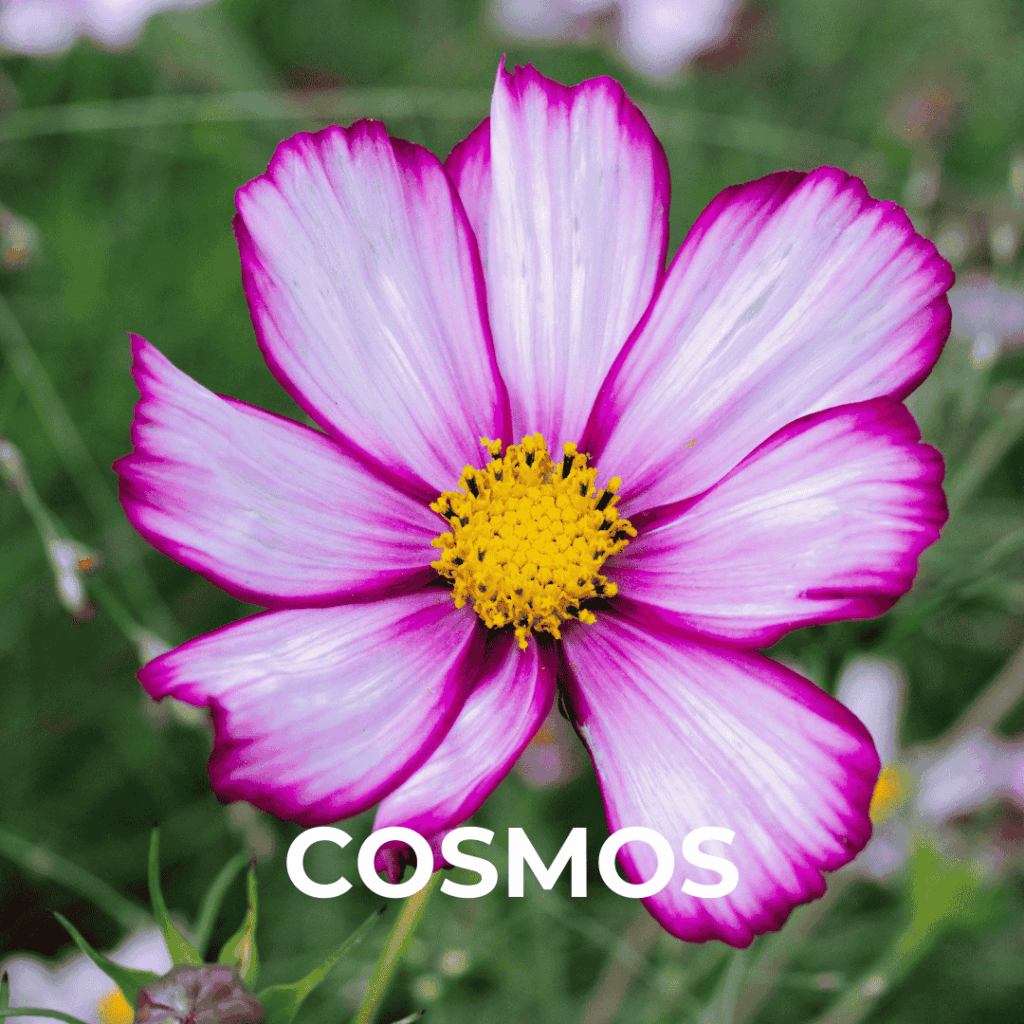
While they appear delicate, like fluffy pink and white skirts wafting above tall thin stems and lacy green leaves, cosmos are actually quite tough. These full sun lovers bloom for a long time with regular deadheading. Pollinators love them just as much as gardeners do. Try scattering them in an empty area of your garden

Cosmos Read More »

Cordyline

Cordyline

Strong, architectural and spiky, cordyline is an annual powerhouse. Imagine two angular modern pots at each side of your front steps, bursting with the energetic fronds of cordyline! A sure fire way to add a taste of the tropics to your central Oregon garden is planting these spiky annuals! And do not fret, they are

Cordyline Read More »

Coleus

Coleus

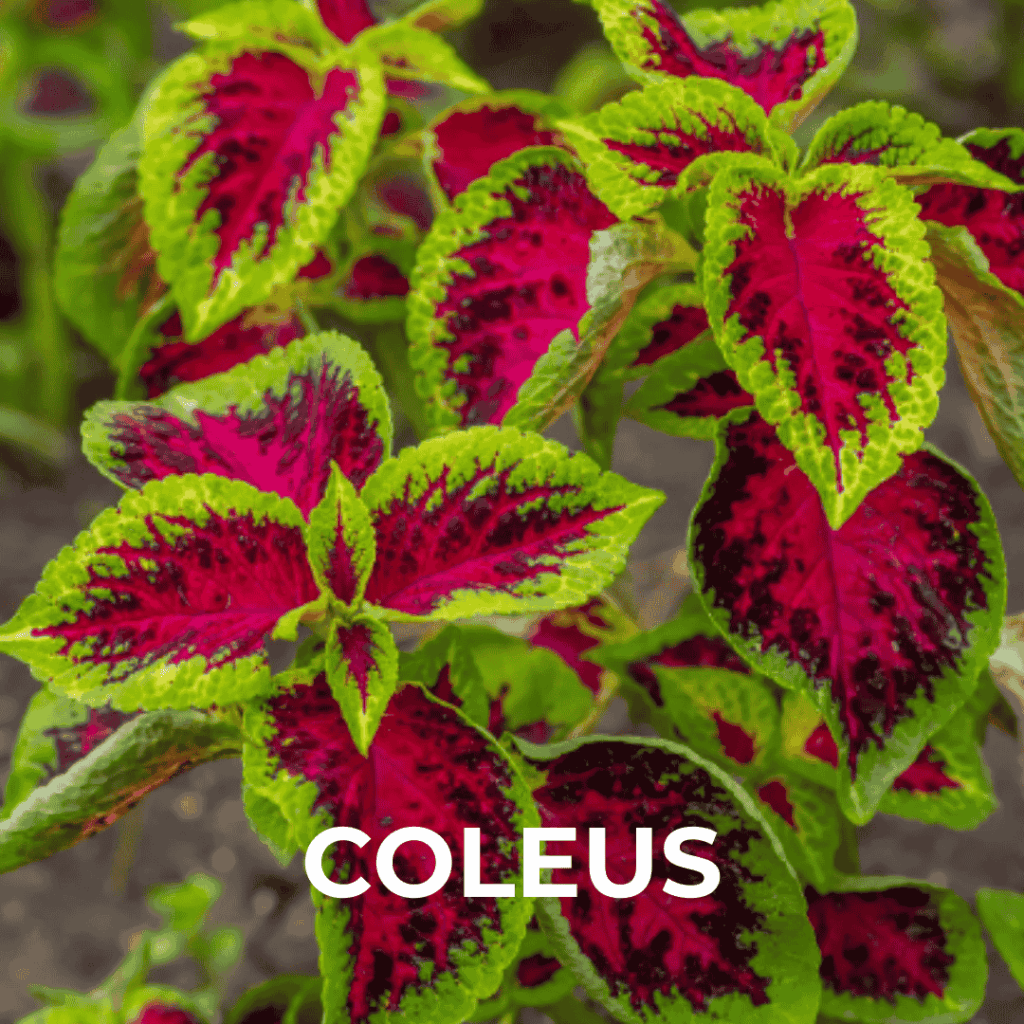
Reminiscent of prehistoric foliage, this annual is sure to dazzle with its many patterns and colors. A member of the mint family, coleus are long lasting and tall, with identifiable serrated leaves. Snip the flowers to keep the foliage looking its best. Found growing naturally from Southeast Asia to Australia, there’s a coleus out there

Coleus Read More »

Celosia

Celosia

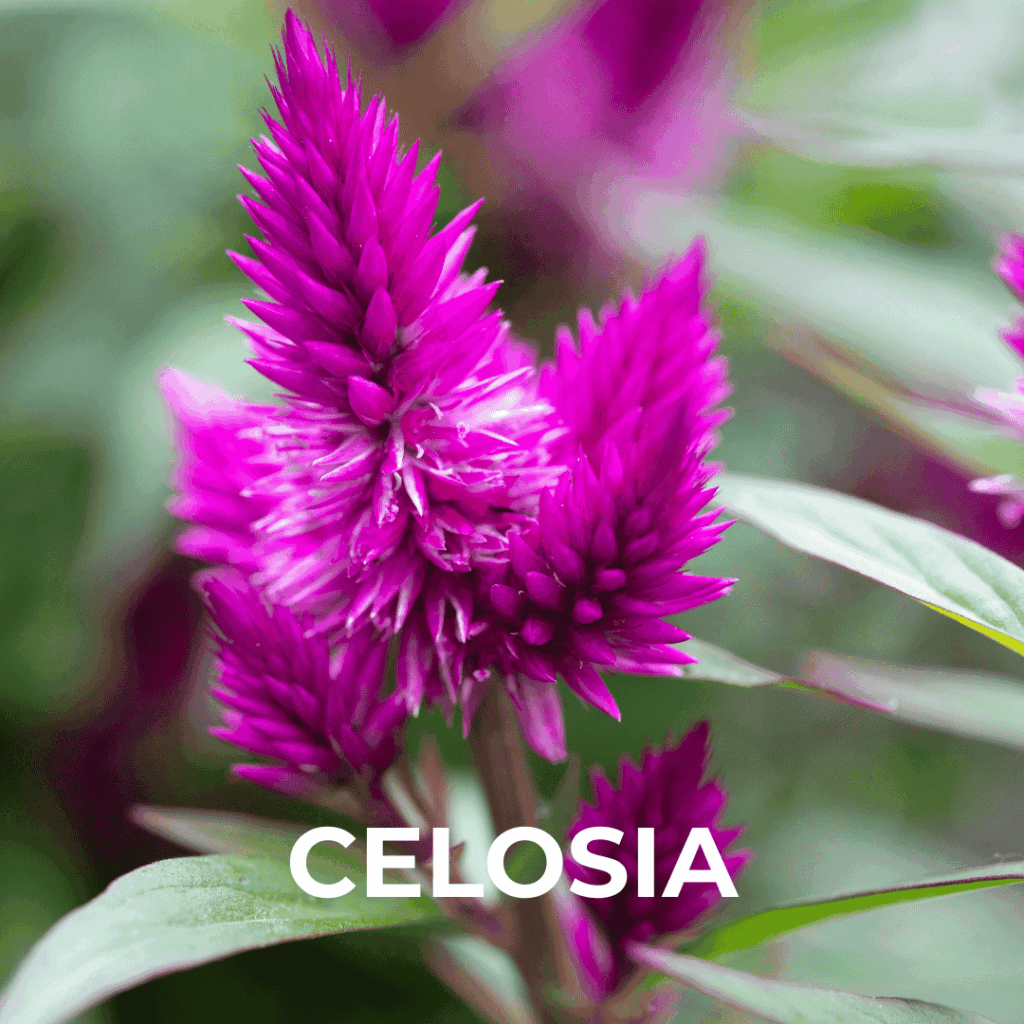
Feathery, vibrant and luscious, celosia are sure fire ways to bring life and whimsy into your garden. Its name comes from the Greek word “kelos” which translates to “burned”, referring to the flame like appearance of its flowers! These sun lovers perform great in a container surrounded by trailing groundcover, or planted in your beds

Celosia Read More »

Calibrachoa

Calibrachoa

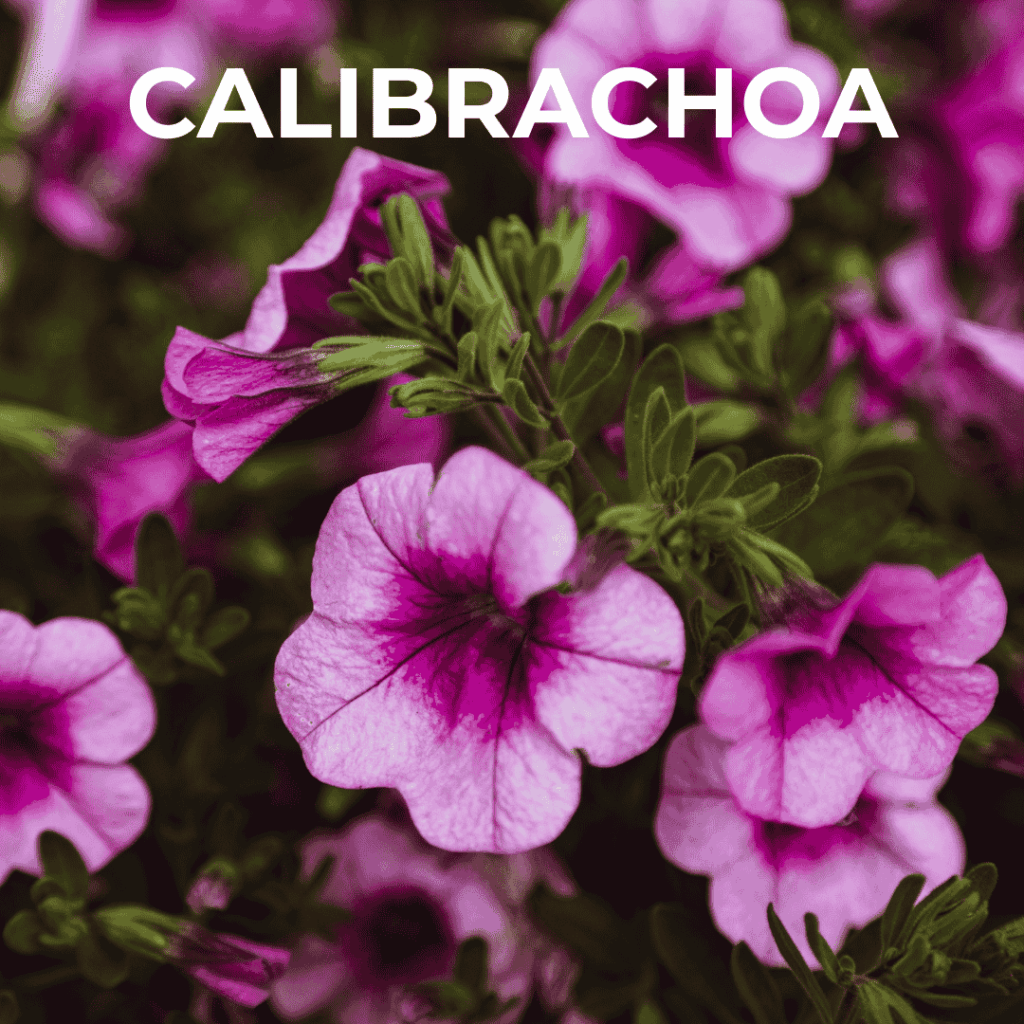
Otherwise known as million bells, the calibrachoa is the quintessential bedding plant. Their small but bold blooms resemble a tiny petunia and bring instant color to your garden with little care. They are native to Brazil and Uruguay and are actually a member of the nightshade family. Water, fertilize and watch them thrive, no deadheading

Calibrachoa Read More »

Bidens

Bidens

This versatile annual brightens up your hanging baskets, window baskets and landscaping with long lasting golden, sunburst shaped blooms. They provide a taller annual option than the spilling plants, growing up to 14” tall and 12” wide. Bidens are pollen-rich–perfect for attracting pollinators! Prefers full sun. Zone 9-11.

Bidens Read More »

Wax begonias

Begonia

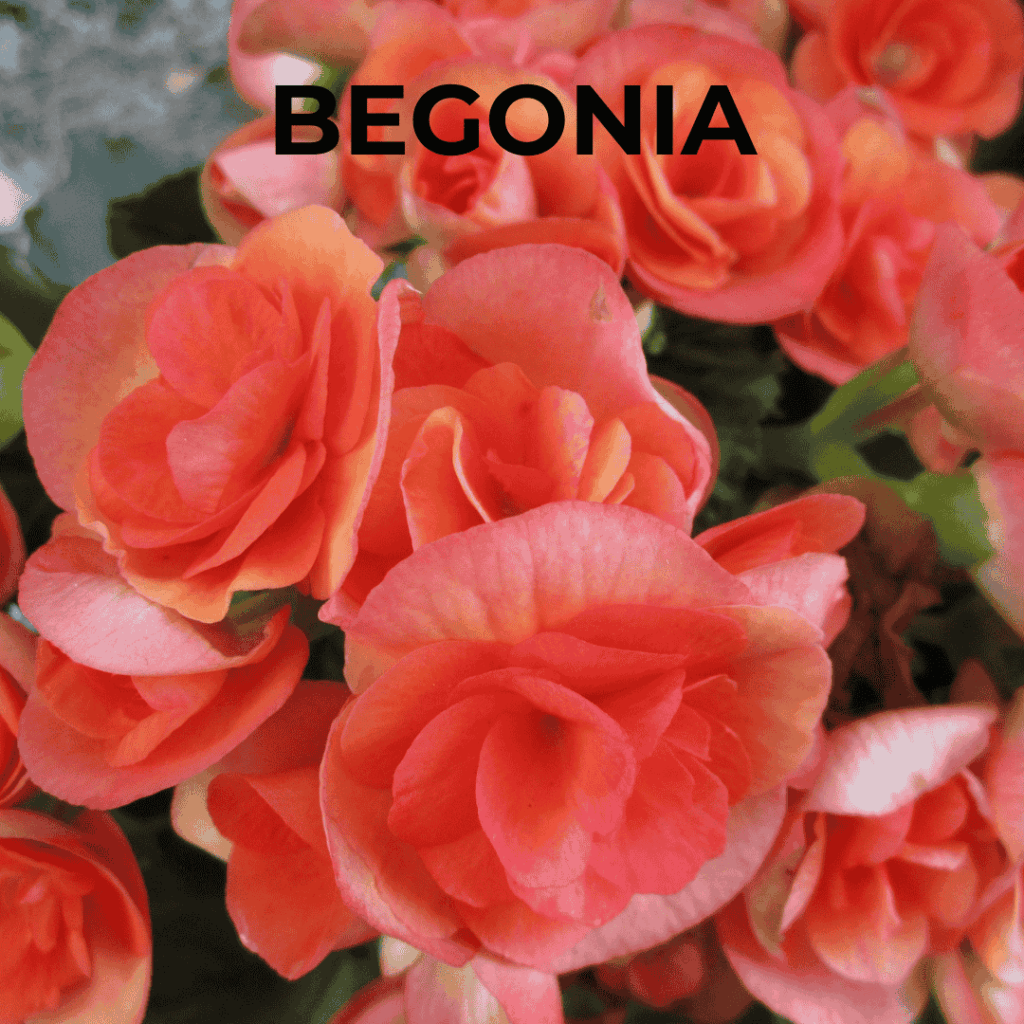
Wax begonias are a staple in a shade garden, and add a fabulous splash of tropical color to your porch or windowsill. Their name comes from the waxy gloss of their ovate leaves. They produce clusters of white, red and pink petals, peppered with tiny yellow stamens in the center. This annual can reach up

Begonia Read More »

Bacopa groundcover

Bacopa

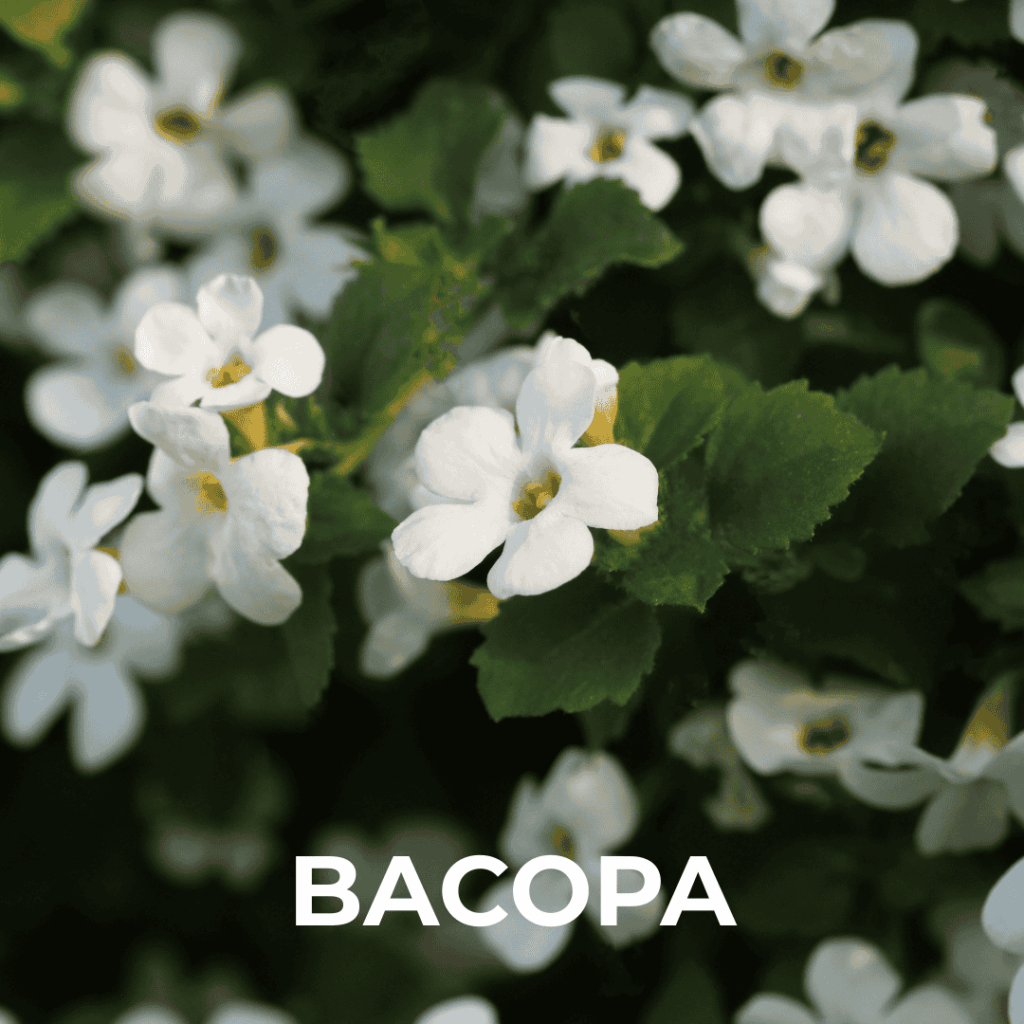
Bacopa is a frothy groundcover that does as well in containers as it does in your landscape. Tolerating sun to part shade, this delicate annual is a great cover for bare spots in your pots or garden beds. It is commonly found in the aquatic tropical regions of the Americas. Ayurvedic medicine employs bacopa for

Bacopa Read More »

Alyssum or lobularia

Alyssum

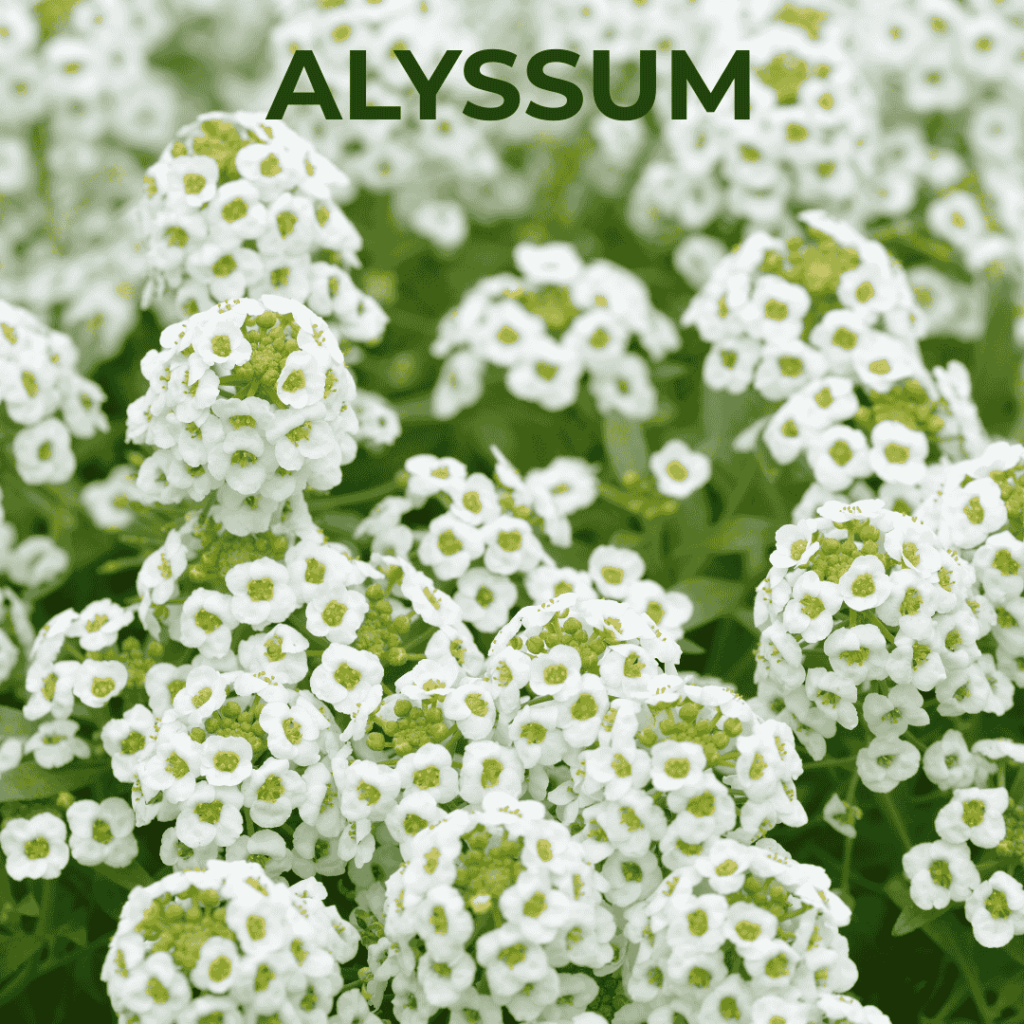
Alyssum or lobularia, is an annual beauty known for its delicate, lacy flowers and ease of care. It looks best lining walkways or spilling out of a hanging basket. Sow the seeds in spring and watch them grow to a height of 3-10” and spread up to 12”. They’re magnets for beneficial insects like bees,

Alyssum Read More »

Scroll to Top