Houseplants

Pothos

Pothos

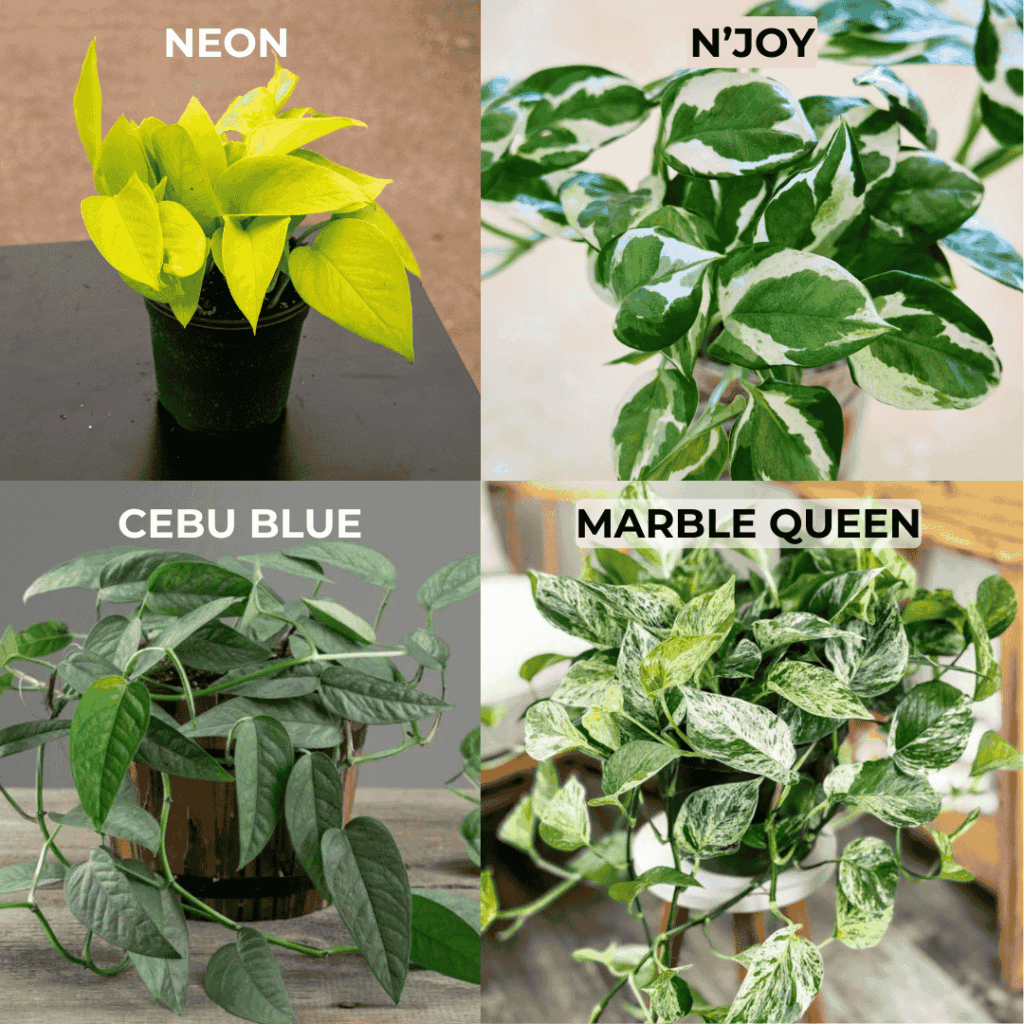
Ah the Pothos. Is there any houseplant more loveable? Affordable, reliable, fast-growing and stress-free. If you want a vine to trail around your curtain rods in little time with little effort, this is your best bet! While seasoned houseplant owners may turn their attention towards flashier specimens, there’s no reason to throw shade towards this […]
Pothos Read More »

Sansevieria

Sansevieria

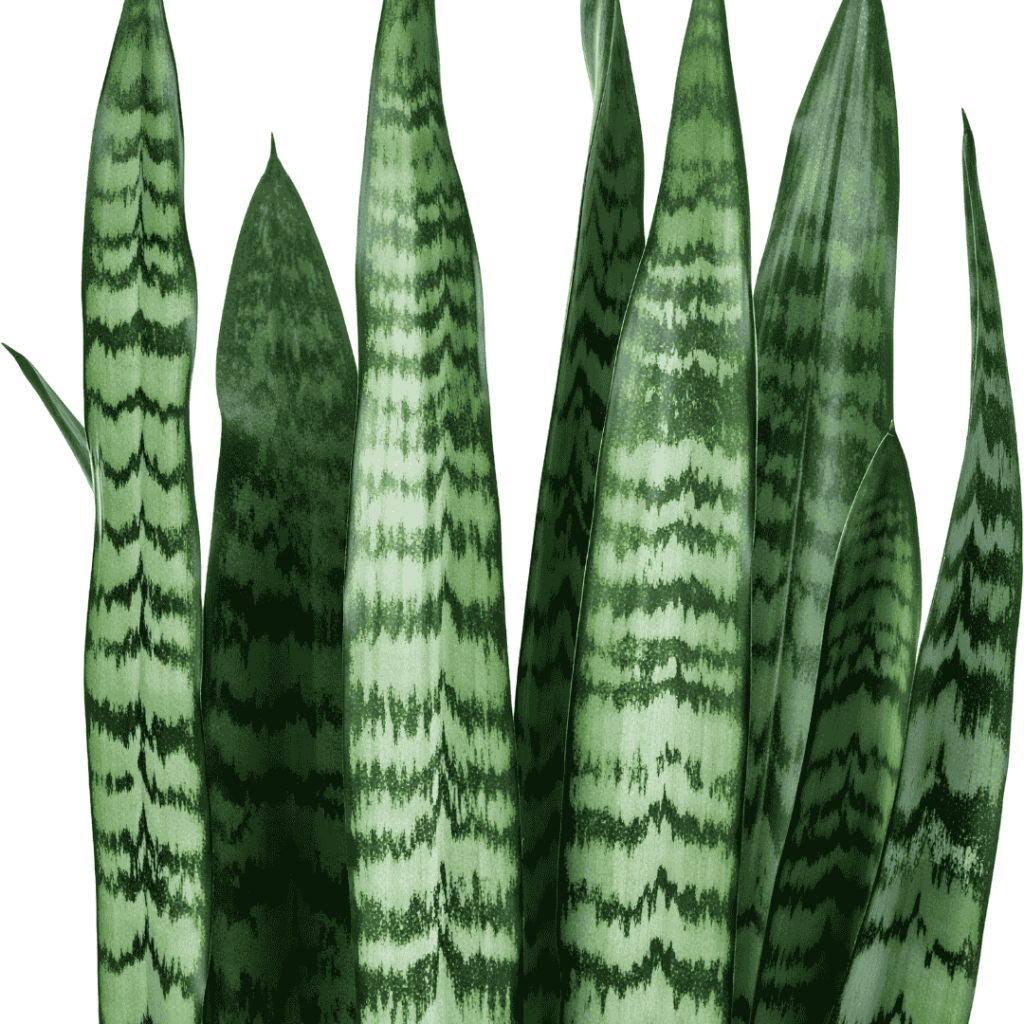
Commonly known as snake plants and mother in law’s tongues, Sansevieria is truly a singular specimen! It’s a striking architectural contrast to all the leafy houseplants out there. Pointed leaves spear up from matted tubers, piercing the air like clusters of swords. They’re one of the handful of indoor plants that thrive on neglect, as

Sansevieria Read More »

Portulacaria

Portulacaria

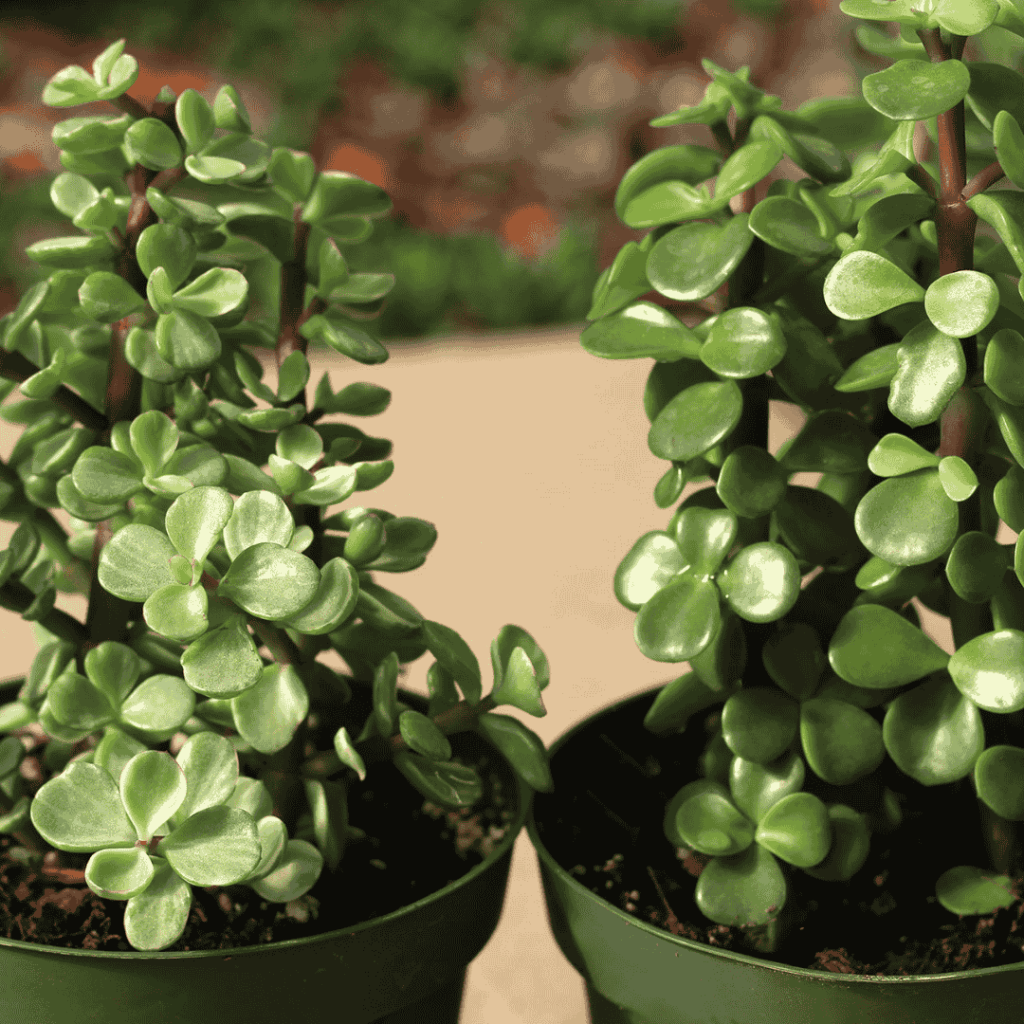
Calling all succulent lovers! Portulacaria afra or spekboom is a charming little succulent that stays petite indoors. Indigenous to South Africa and Swaziland, it grows on rocky slopes, mitigating erosion and providing food for elephants, giving way to its alternative nomenclature, the elephant bush. The elephants actually kickstart the propagation process by trampling the succulents

Portulacaria Read More »

Bird of Paradise

Bird of Paradise

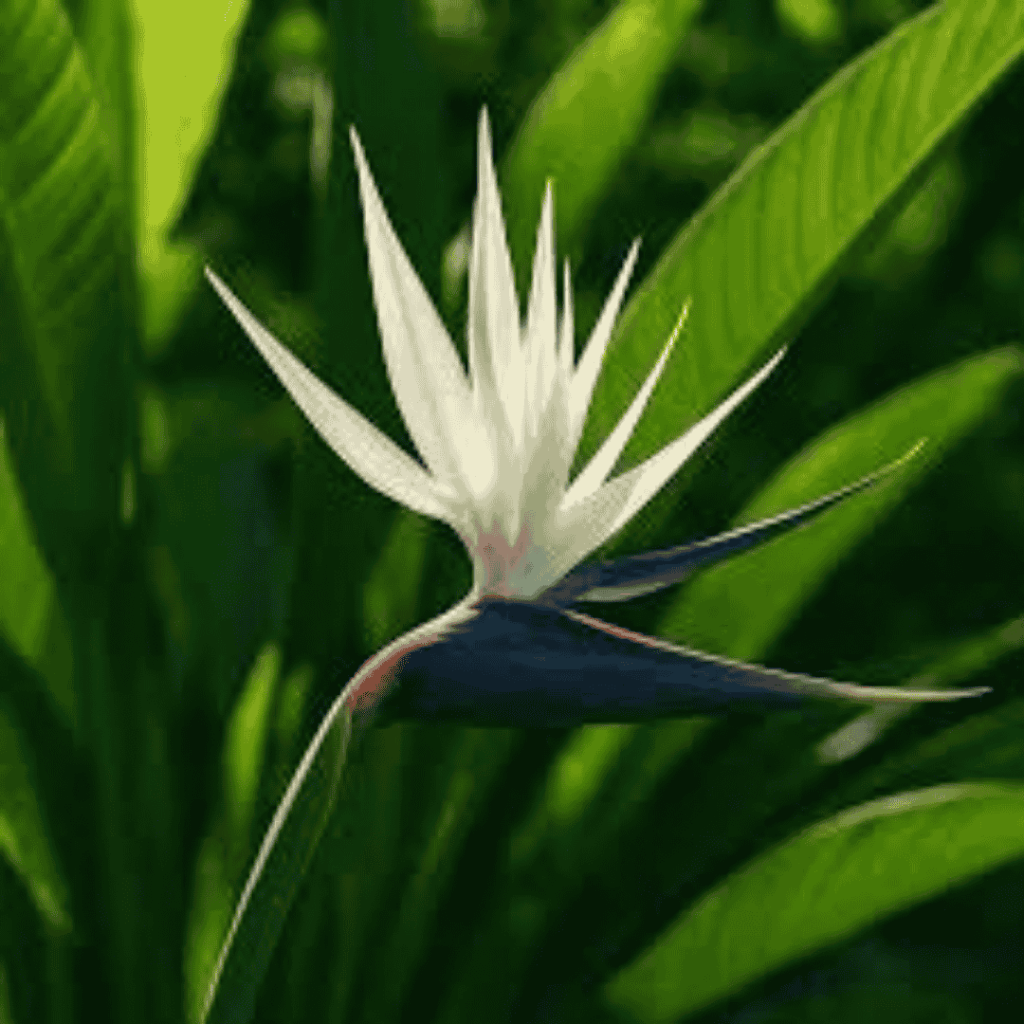
If you are looking for a big plant to fill a big space then look no further. This regal houseplant has gorgeous dark green leaves that are almost the size of rowing oars. A happy, fully mature bird of paradise can reach heights of 5′ tall even in your home! If a jungle look is

Bird of Paradise Read More »

Euphorbia

Euphorbia

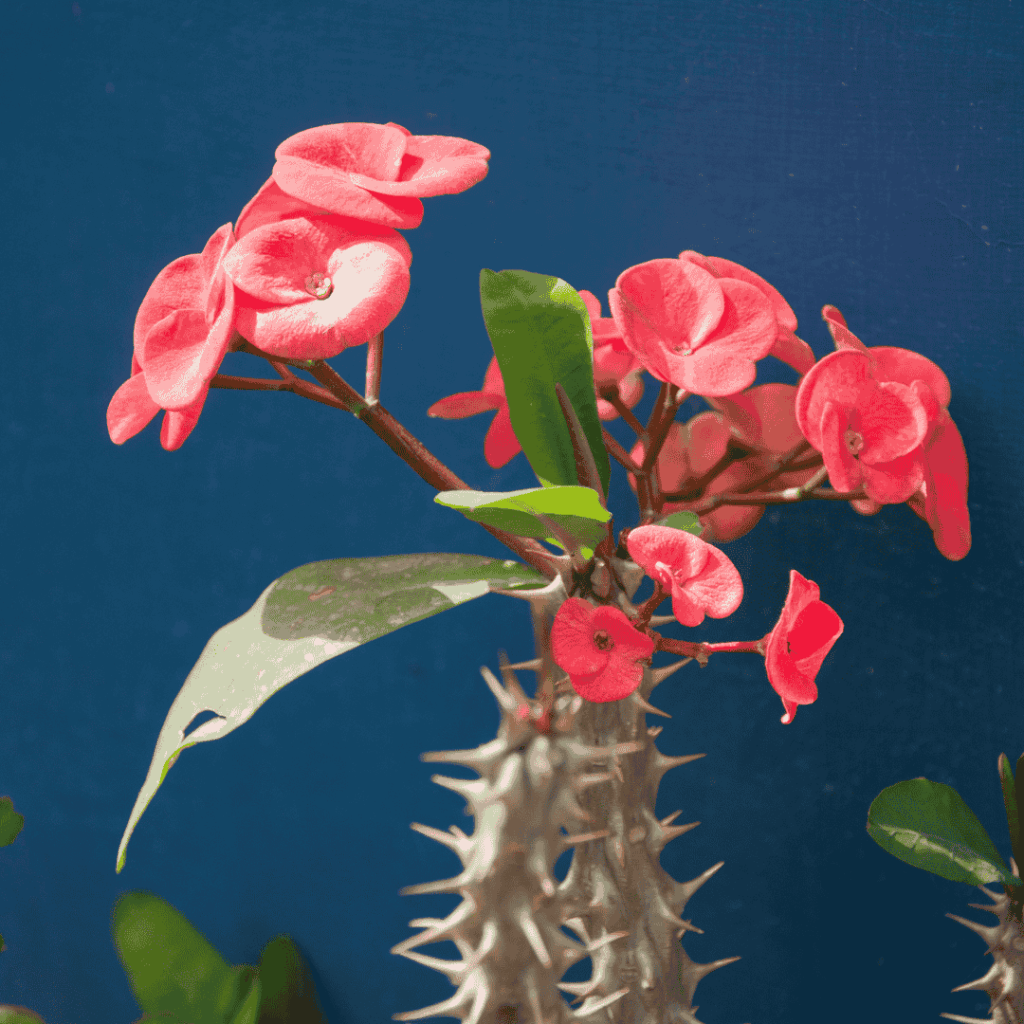
Euphorbia is a diverse family of flowering plants from annuals and trees to succulents and other ornamental plants. You may be surprised to learn that the poinsettias you buy during the holiday season are actually Euphorbias! While there exist many different Euphorbias, they all generally share a unique floral structure. What you would call a

Euphorbia Read More »

Kalanchoe

Kalanchoe

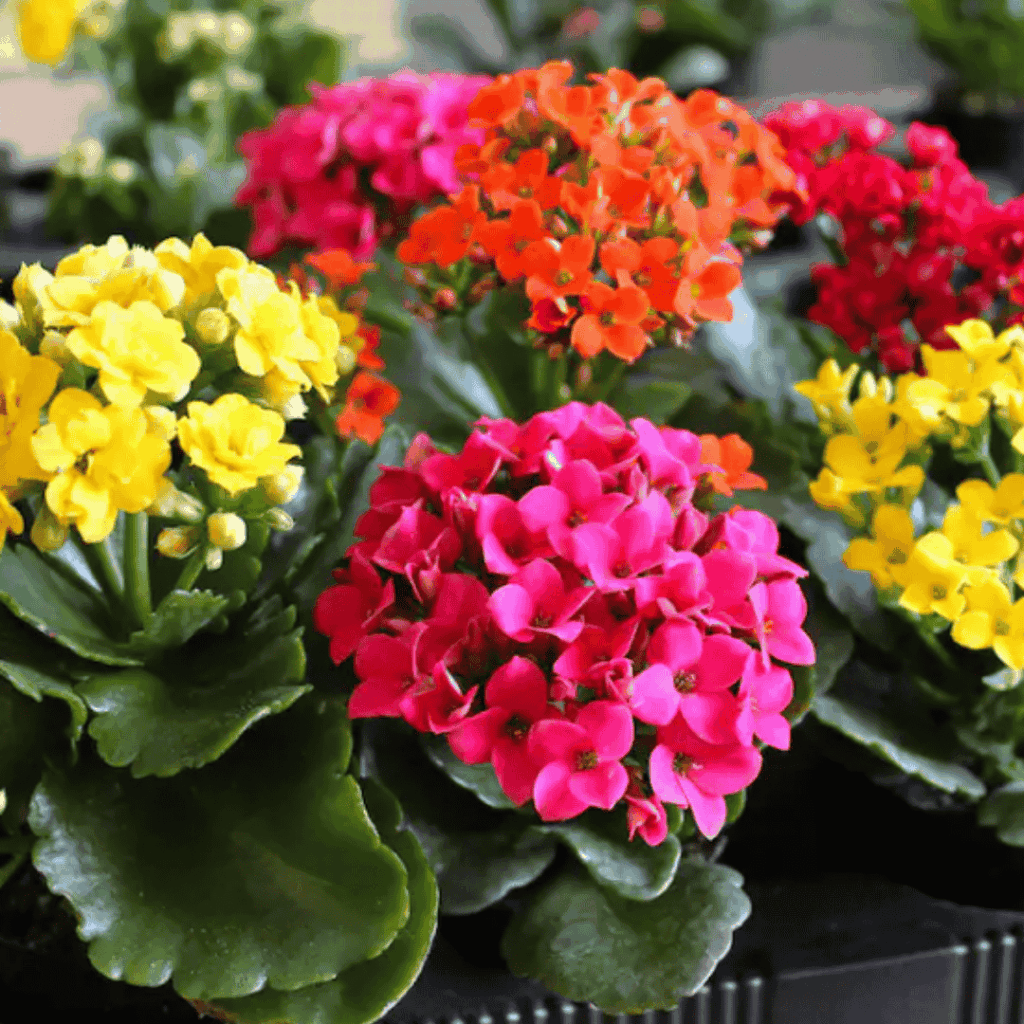
One of the first plants brought into space in the 70’s, the Kalanchoe is literally out of this world! Native to parts of Africa and Asia, Kalanchoes belong to the crassula family and appreciate the same care as most succulents. While there are many varieties, they are usually characterized by unique scalloped leaves and bright

Kalanchoe Read More »

Lithops

Lithops

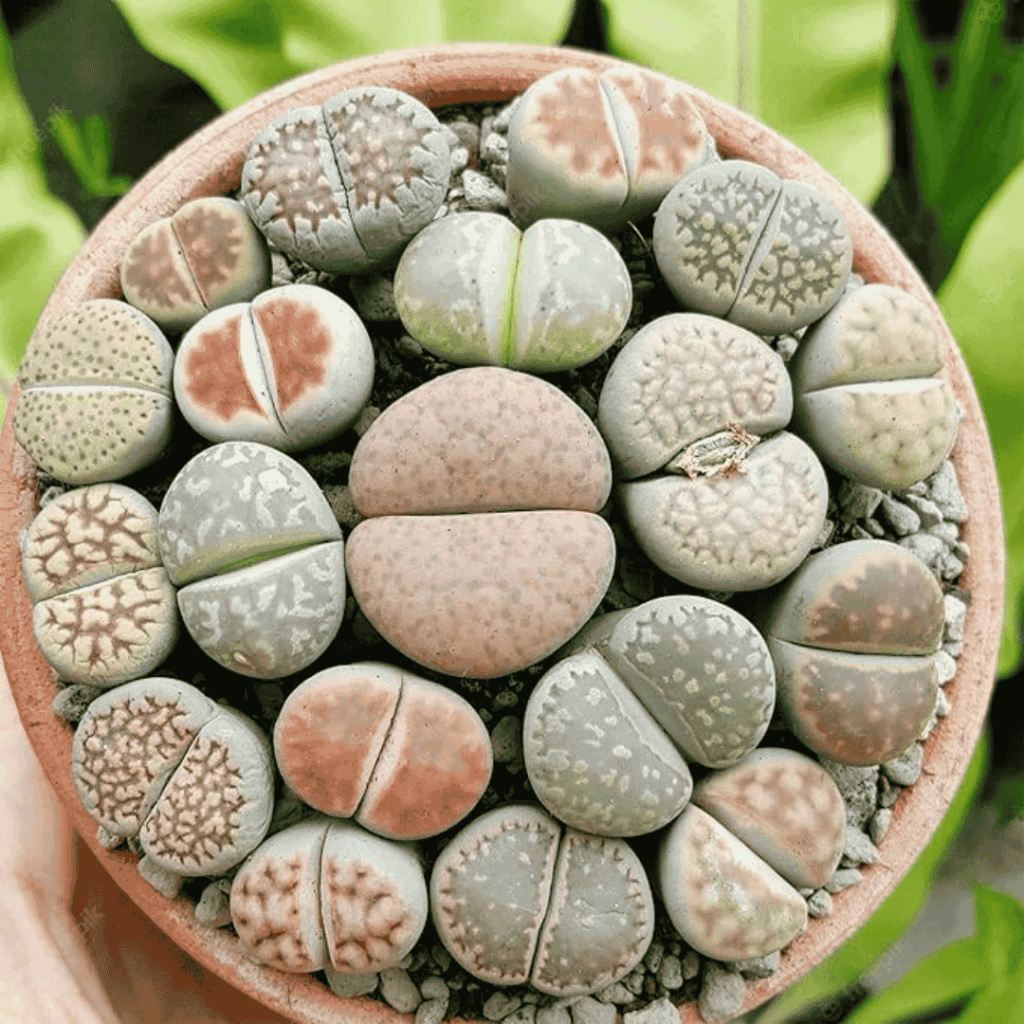
Derived from the ancient Greek word ‘lithos’ meaning ‘stone’ and ‘ops’ meaning ‘face’, these incredible little succulents look just like clusters of rocks sprouting from the soil. Each one is composed of two, stemless, half moon leaves fused together in the middle. When a new leaf sprouts, the existing leaves part to allow the new

Lithops Read More »

Dracaena

Dracaena

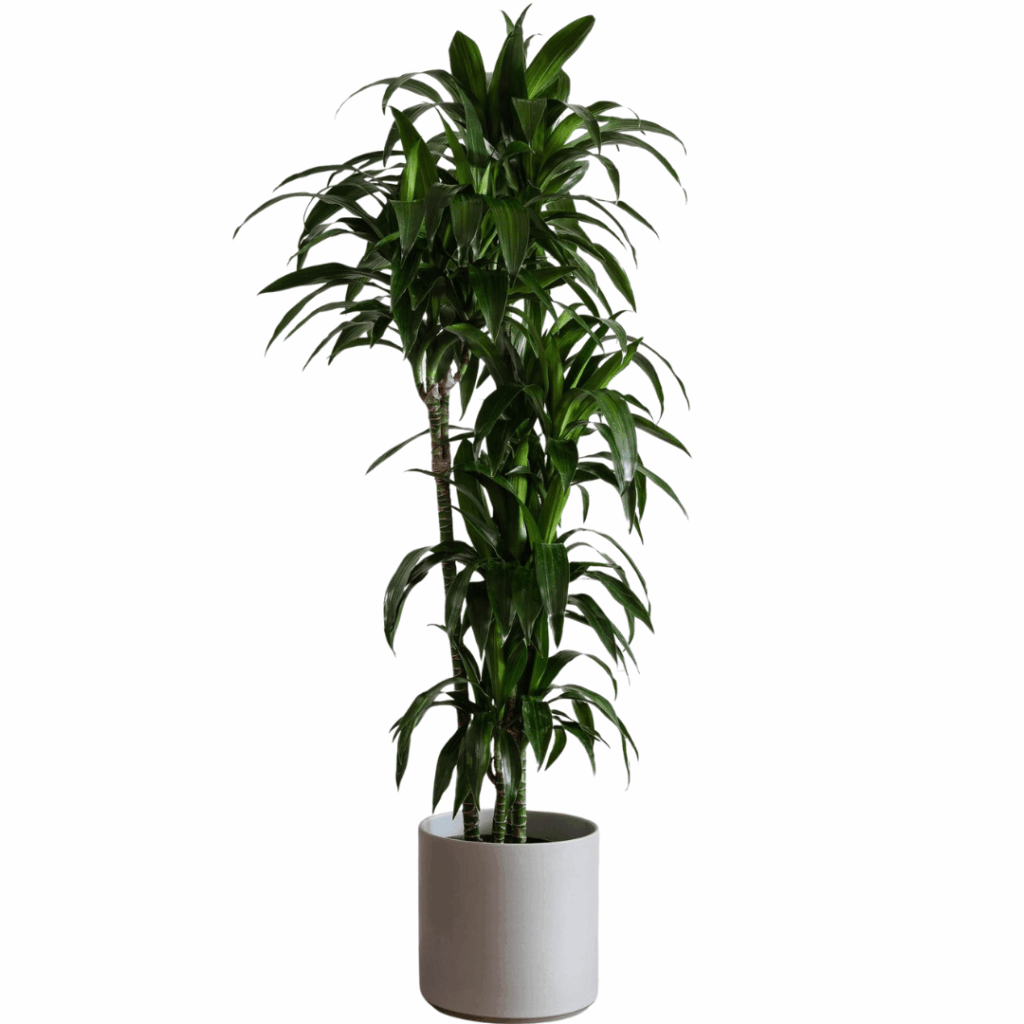
Otherwise known as dragon trees or corn plants, dracaenas are a breath of fresh air. They are one of the easiest plants to grow indoors and will still give you that tropical, leafy foliage that’s often reserved for the difficult houseplants. Dracaenas have a magical airy quality to them that makes your house feel bright

Dracaena Read More »

Dieffenbachia

Dieffenbachia

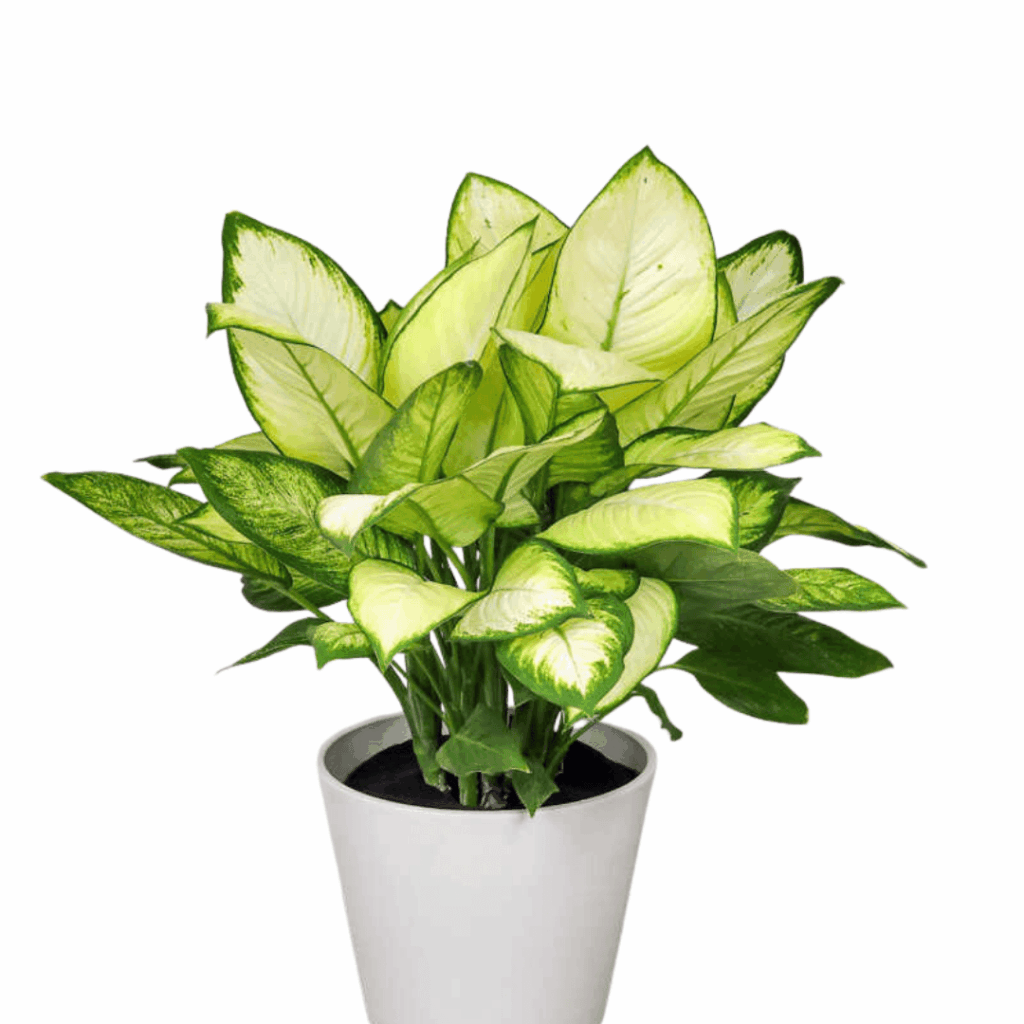
Sometimes called the dumb cane, while the leaves are simple in shape, this houseplant is anything but dumb! Dieffenbachia grow big and bushy, their flappy green leaves often sporting speckles and splashes sit atop straight, strong stems. The director of the Botanical Gardens in Vienna, Italy named this plant after the institution’s head gardener, Joseph

Dieffenbachia Read More »

Bear Paw

Bear Paw

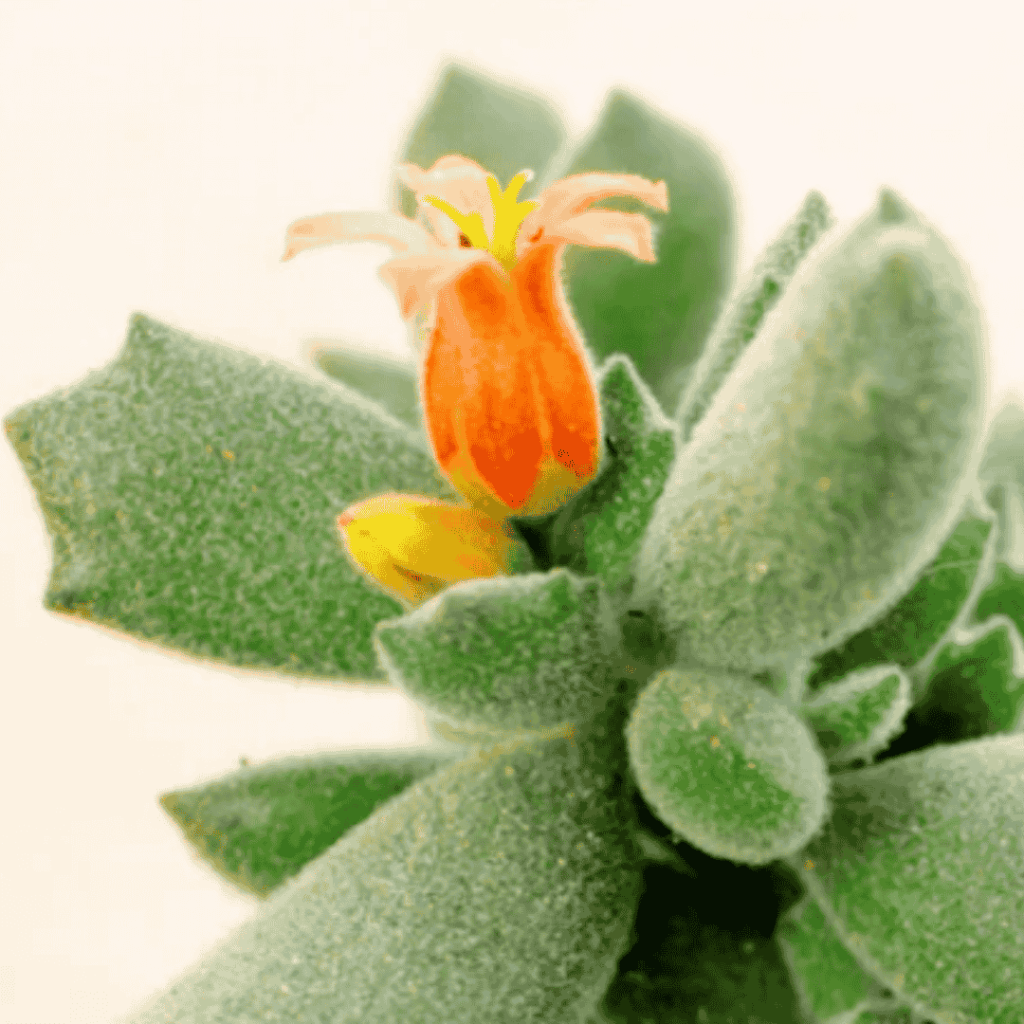
Are you someone who’s always wanted a pet bear but shied away because of the fear of getting mauled? Then say hello to the Cotyledon tomentosa, or bear paw, a fuzzy succulent with paw shaped leaves! You can cuddle this bear anytime without fear. Native to South Africa, bear paws belong to the crassula family,

Bear Paw Read More »

Crassula

Crassula

Over 200 species of plants belong to the crassula genus, the most popular being the jade! These are chunky succulents as described by the Latin adjective “crassus” meaning “thick”. Most of these species are found in South Africa, as they are lovers of warmth, sunlight, and arid conditions. A favorite crassula of ours is the

Crassula Read More »

Callisia

Callisia

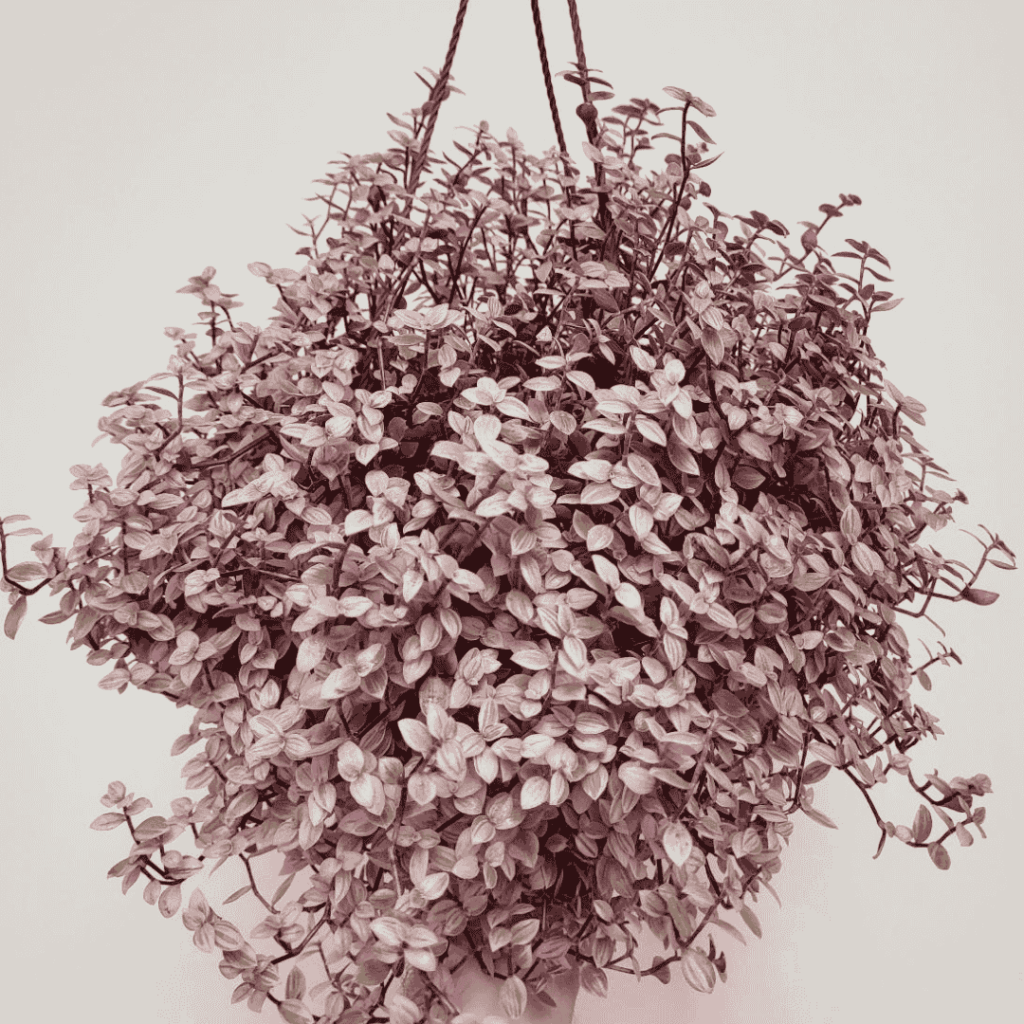
Callisia repens, also known as turtle vine, is a creeping succulent consisting of tiny little leaves that form a trailing mat of foliage followed by odorless flowers. The “pink panther” variety has variegated pink and cream leaves that form a distinctive poof. This species is actually native to the western hemisphere, from the southern part

Callisia Read More »

Caladium

Caladium

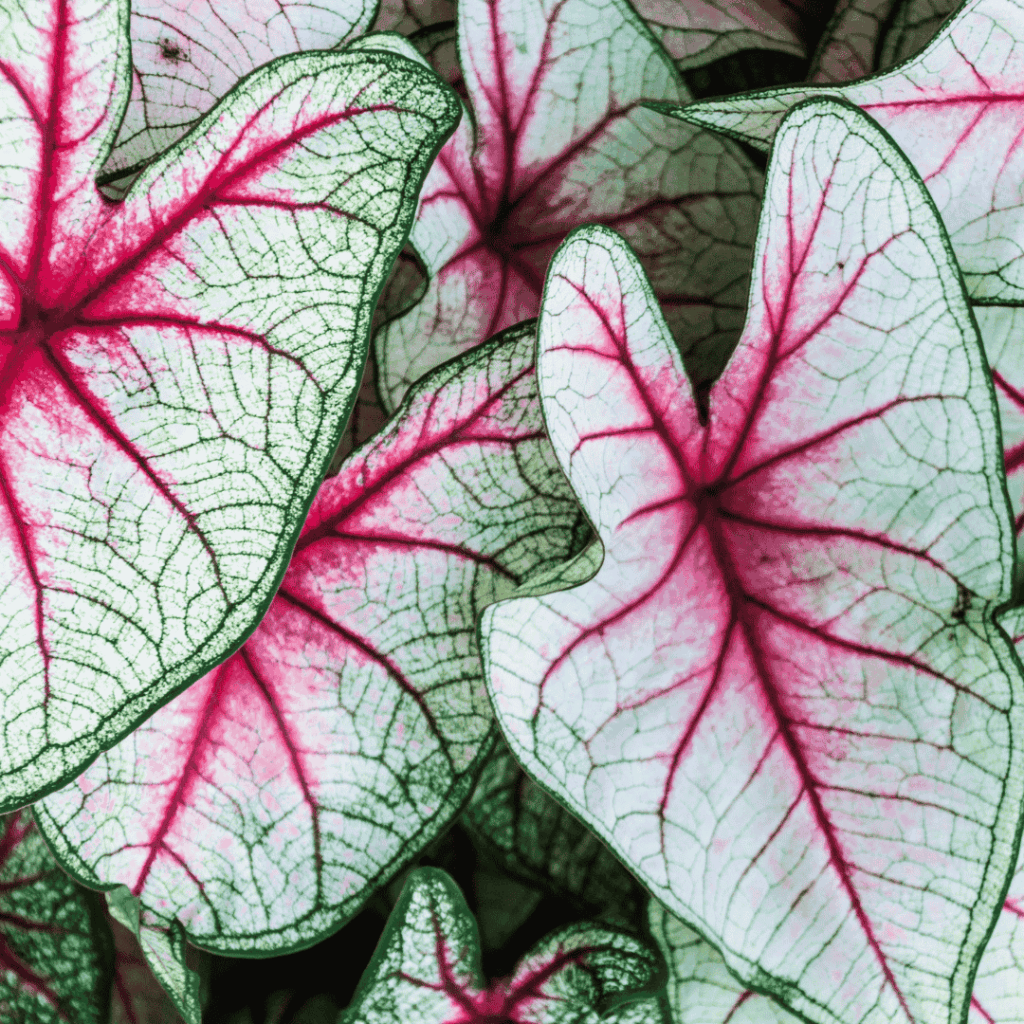
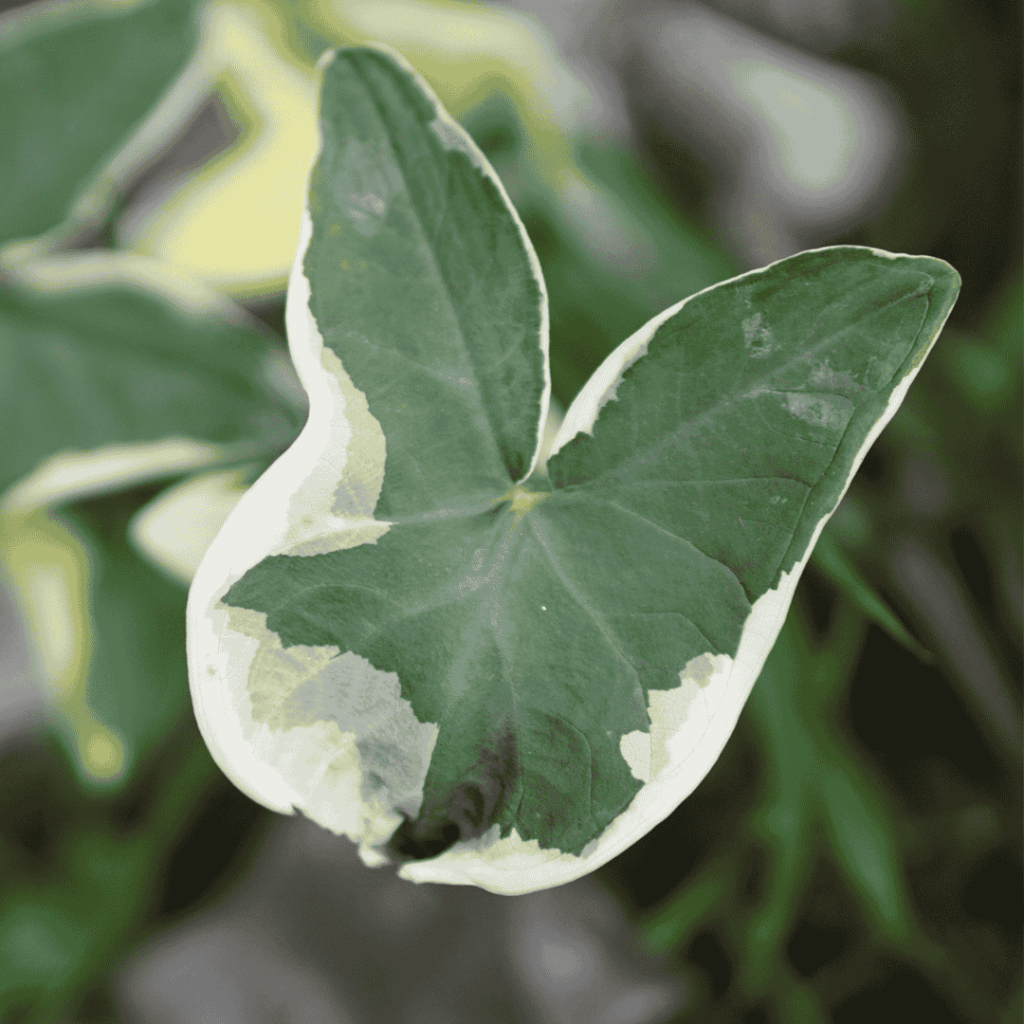
Originally found in South America, Caladiums are colorful houseplants with pointed leaves. There are two types of caladiums; fancy and lance leaved. Fancy caladiums have heart shaped leaves, while the lanced have narrower, arrow shaped foliage.  Most of the time you’ll see the fancy in a plant store. Caladiums grow from tubers and are often

Caladium Read More »

Cacti

Cacti

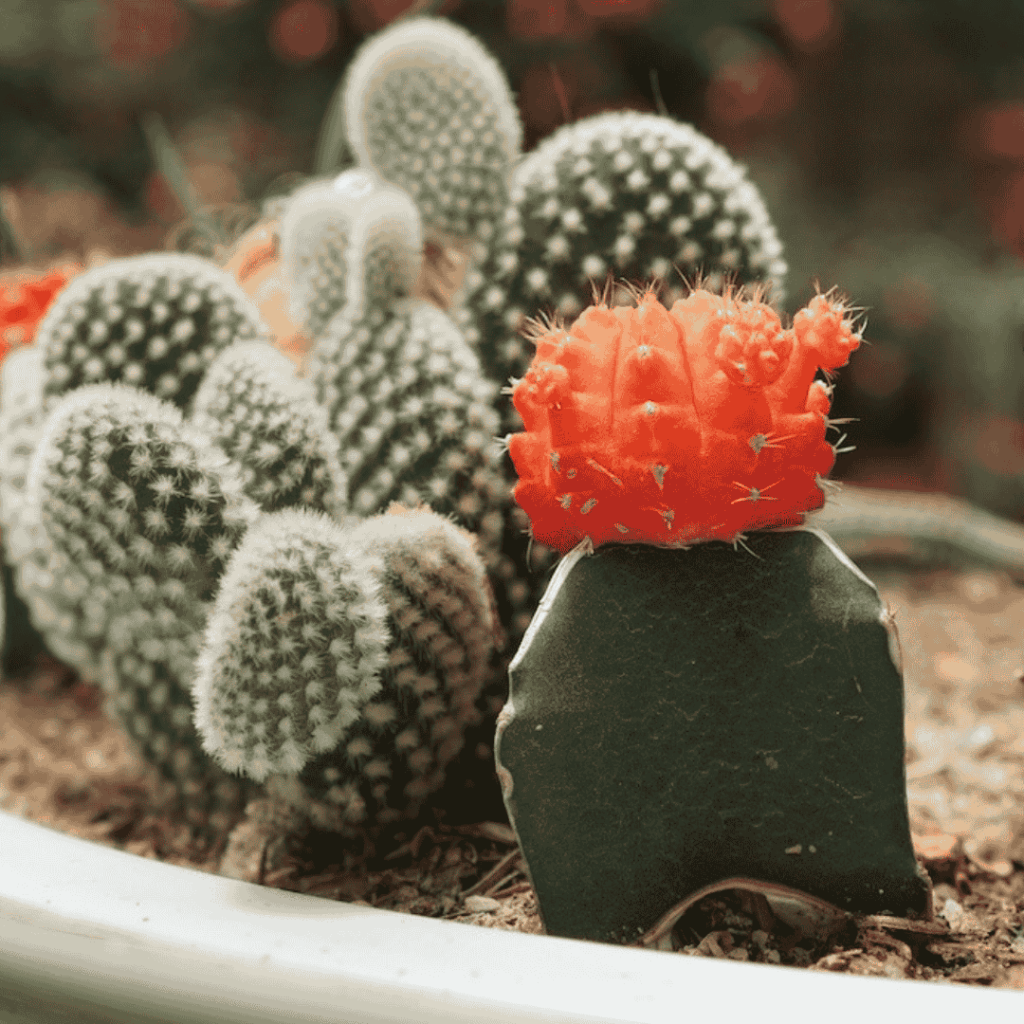
Cacti is the general term for succulents that have grown spines to adapt to their dry environments. Cacti don’t truly have leaves or branches. They instead grow areoles, the bumps in which spines and flowers grow from. Spines actually help cacti retain water! They decrease the air flow around the plant to trap moisture in.

Cacti Read More »

Alocasia

Alocasia

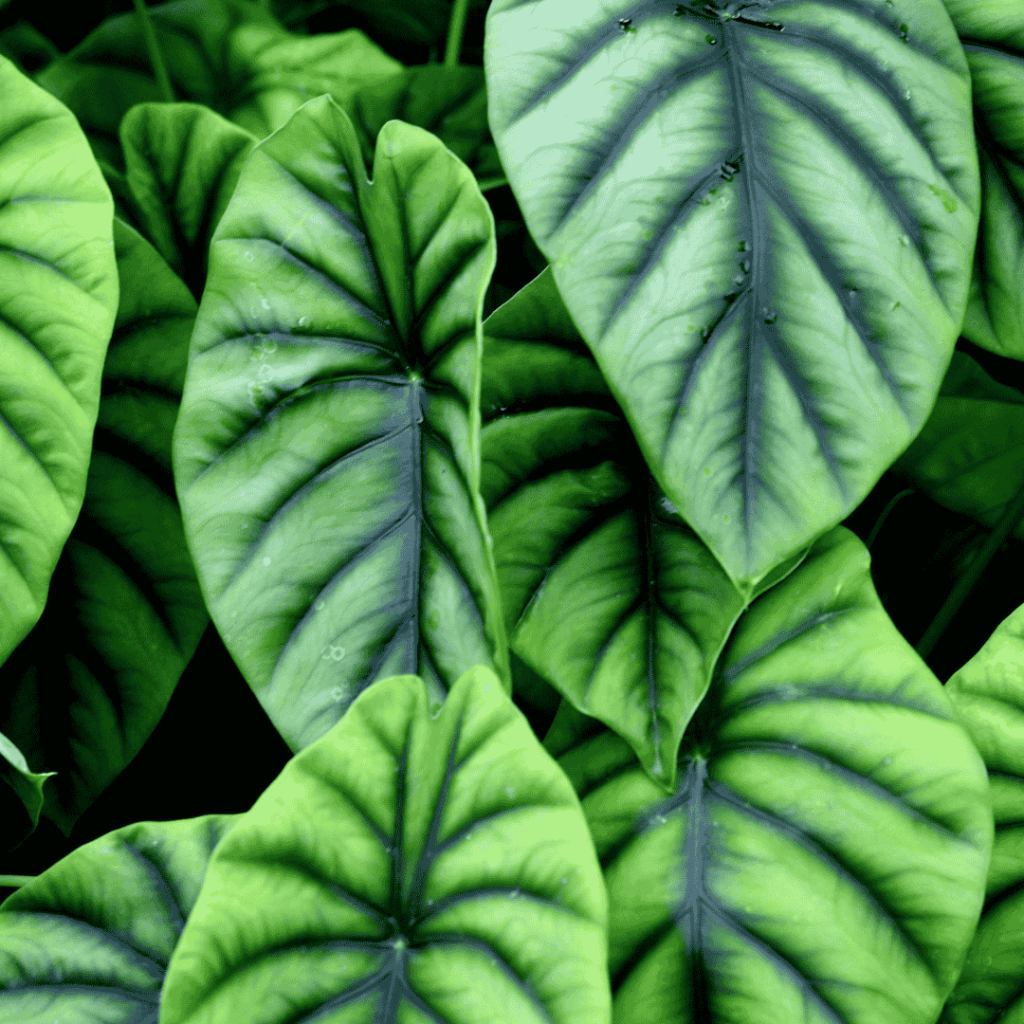
If you’ve kept an alocasia alive as a houseplant in Central Oregon, you’re a superstar. If there was a human embodiment of the alocasia, it would be a Hollywood diva. What we’re trying to say here is that, like the many assistants required by the famous actors, this plant takes a deeply green thumb, maybe

Alocasia Read More »

Arrowhead

Arrowhead

Otherwise known as Syngonium podophyllum, these plants are a species of aroid native to a majority of Latin America and Mexico. While most often called arrowhead plants due to their clusters of spear-shaped leaves, the latin word “podophyllum” actually means “with foot-like leaves.” We’ve never seen feet shaped quite like this, so we’ll stick with

Arrowhead Read More »

Carnivorous Plants

Carnivorous Plants

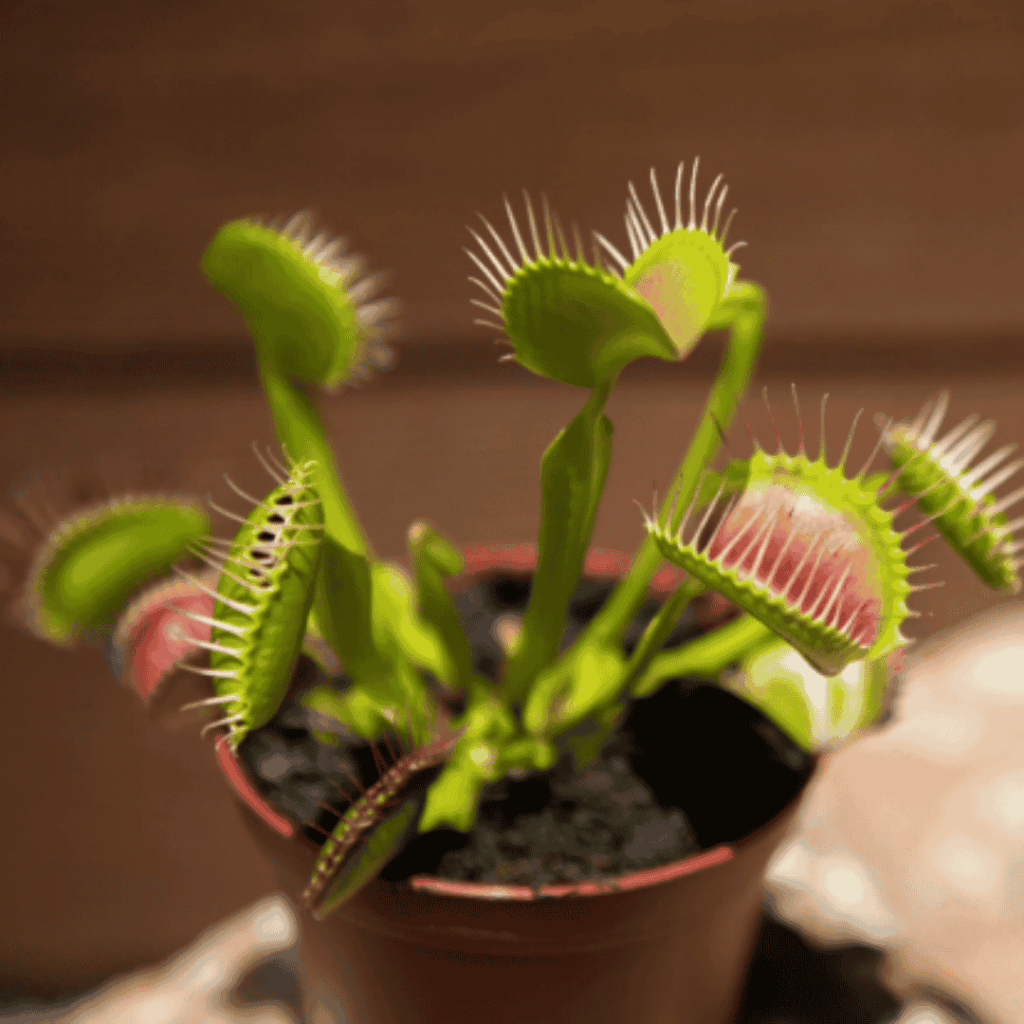
Plants are considered carnivorous if they capture and kill prey in traps, digest and absorb nutrients from that prey and continue to grow and develop. At Moonfire, we generally have pitcher plants, venus flytraps and sundews in stock. Pitcher plants produce a leaf tube in which the inside walls are coated in a slippery wax.

Carnivorous Plants Read More »

Clusia

Clusia

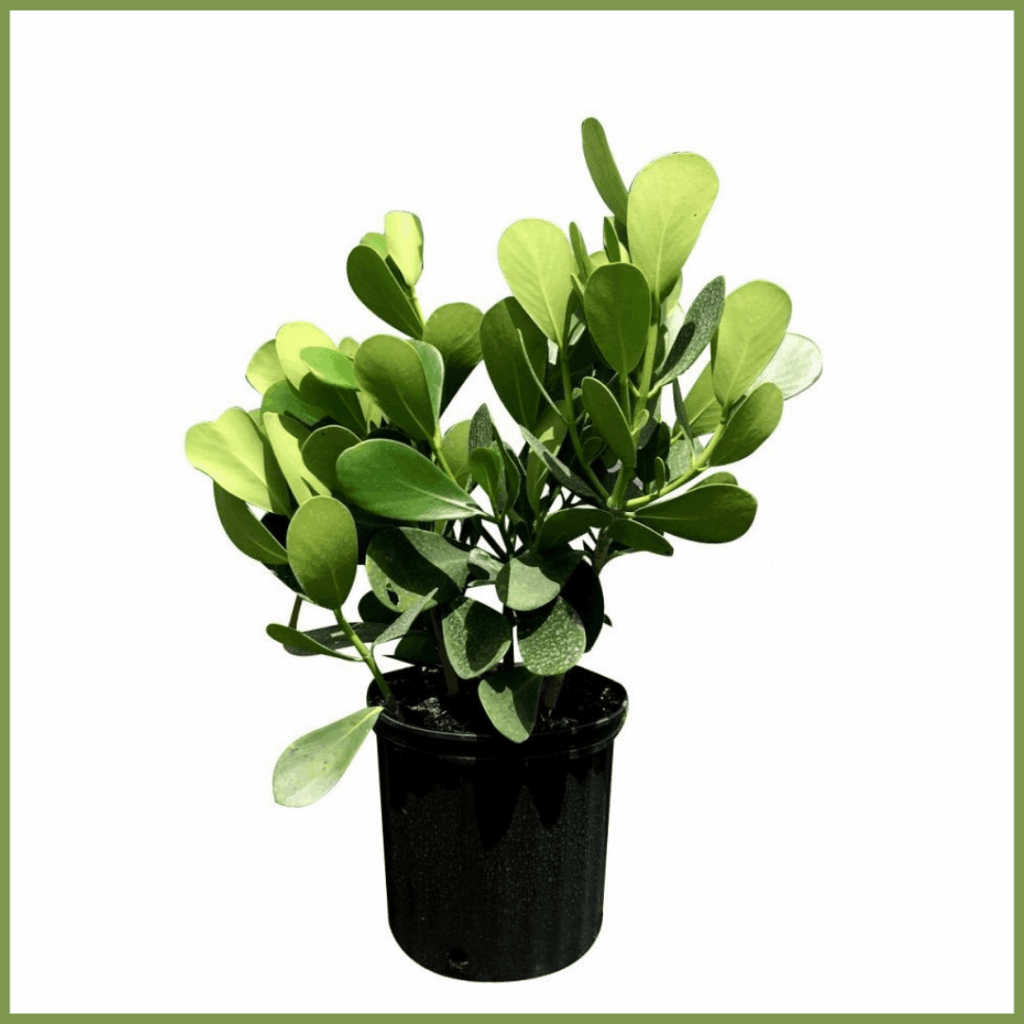
If your aesthetic is simple, sturdy and straightforward, the clusia is the houseplant for you. Clusia rosea, named after the botanist Carolus Clusius, is a bushy tropical with thick, smooth, succulent-like paddles. Native to the neotropical regions of North and South America, they are often planted as privacy hedges due to their fullness and fast

Clusia Read More »

Coffee Plant

Coffee Plant

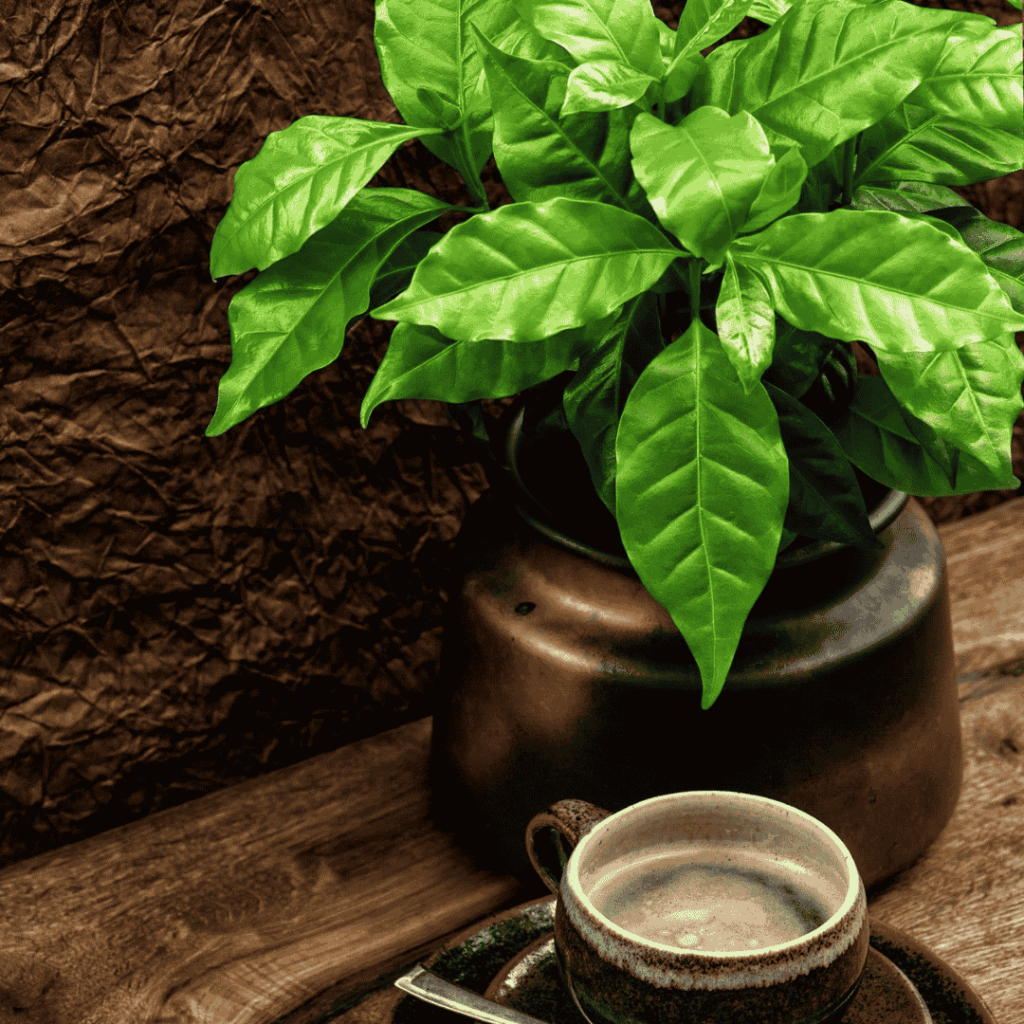
Coffea arabica or the Arabian coffee plant is for the java lovers out there! This is the dominant species grown for coffee production all over the world. It grows natively only in South Ethiopia and Yemen. Arab scholars were the first to record the benefits of coffee, highlighting that it prolonged their working hours! It

Coffee Plant Read More »

Goldfish Plant

Pet Safe Houseplants

Studies show that roughly 71% of families in the US own at least one pet. Studies also show 66% of families in the US own at least one houseplant. That’s a significant overlap! With there being over 700 species of houseplants reported causing illness in pets, how can pets and houseplants coexist safely and happily?

Pet Safe Houseplants Read More »

Scroll to Top