Studies show that roughly 71% of families in the US own at least one pet. Studies also show 66% of families in the US own at least one houseplant. That’s a significant overlap! With there being over 700 species of houseplants reported causing illness in pets, how can pets and houseplants coexist safely and happily? Use this guide to help navigate the world of pet-safe houseplants with ease and confidence!
While this article features non-toxic plants, keep in mind that consumption of any plant material may cause varying cases of mild gastrointestinal irritation, but will not be life-threatening. This is not an exhaustive list, so always consult the ASPCA website if you’re unsure if a plant is toxic.
ASPCA Poison Control Phone Number: (888) 426-4435
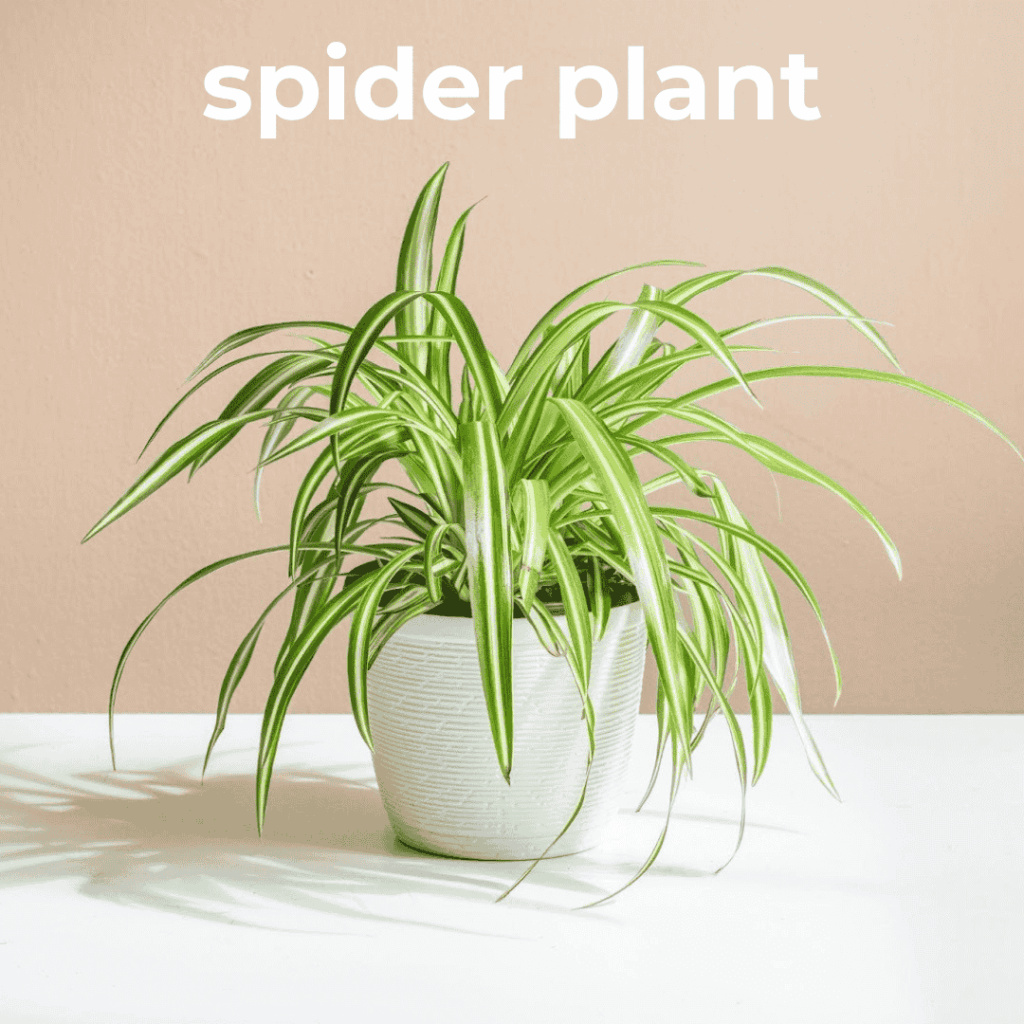
When searching for a new pet-friendly houseplant to add to your collection, first consider your level of availability and commitment to plant care. If you are a busy bee and want something easy and hard to kill, look to Chlorophytum comosum, or the classic spider plant. These low-maintenance tropicals take very little TLC, giving you time to focus on taking care of your pets! Do keep in mind that spider plants can cause a reaction in cats similar to catnip when ingested. It won’t hurt them, but it will give them the zoomies! Hanging these houseplants in macrame hangers is not only a great look but it is also a good way to keep them out of your pet’s reach; just in case you find that they are enjoying the cat nip-like high a bit too much and taking a toll on your plant! Spider plants also provide a great opportunity for propagation. When happy, they will routinely put out tendrils loaded with little babies that are easily propogated if removed from the mother plant and placed in water. Soon you will see roots growing from the babies which indicates that they are ready to be planted in soil.
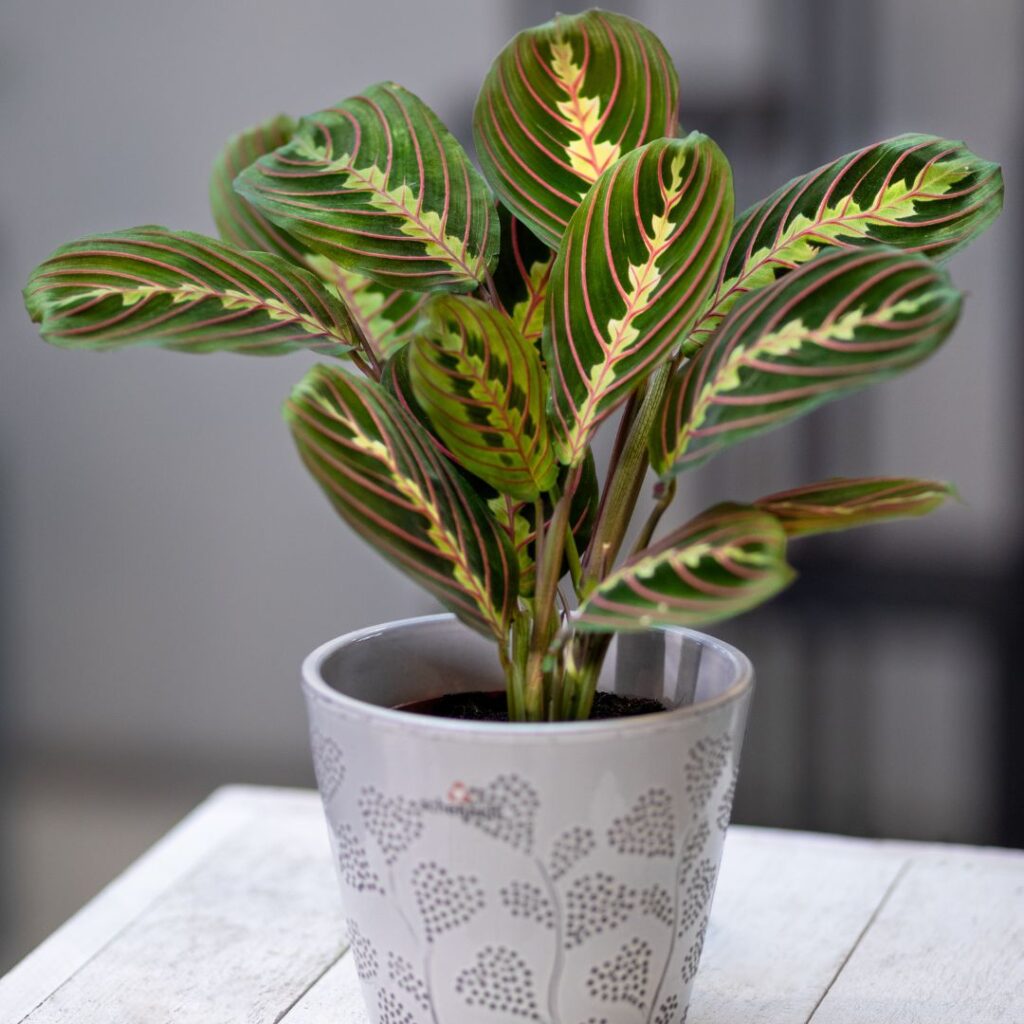
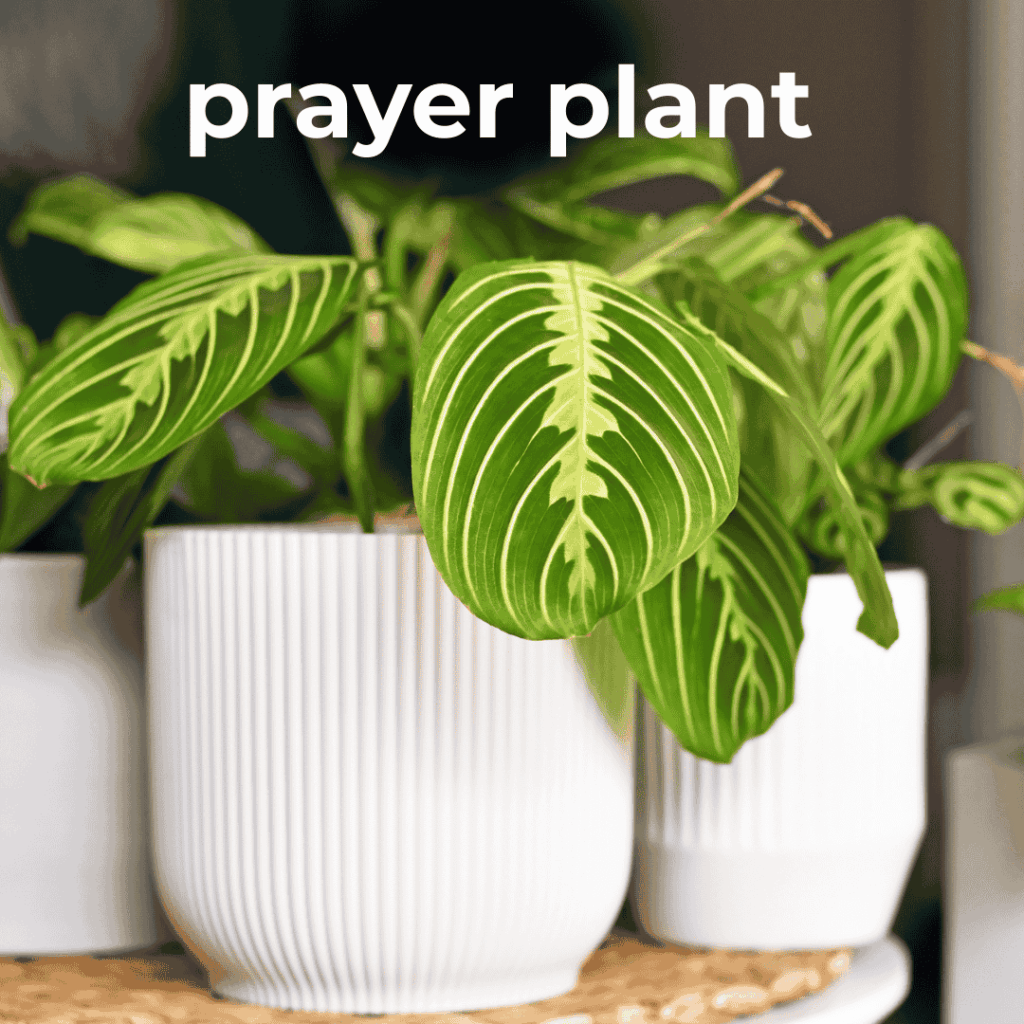
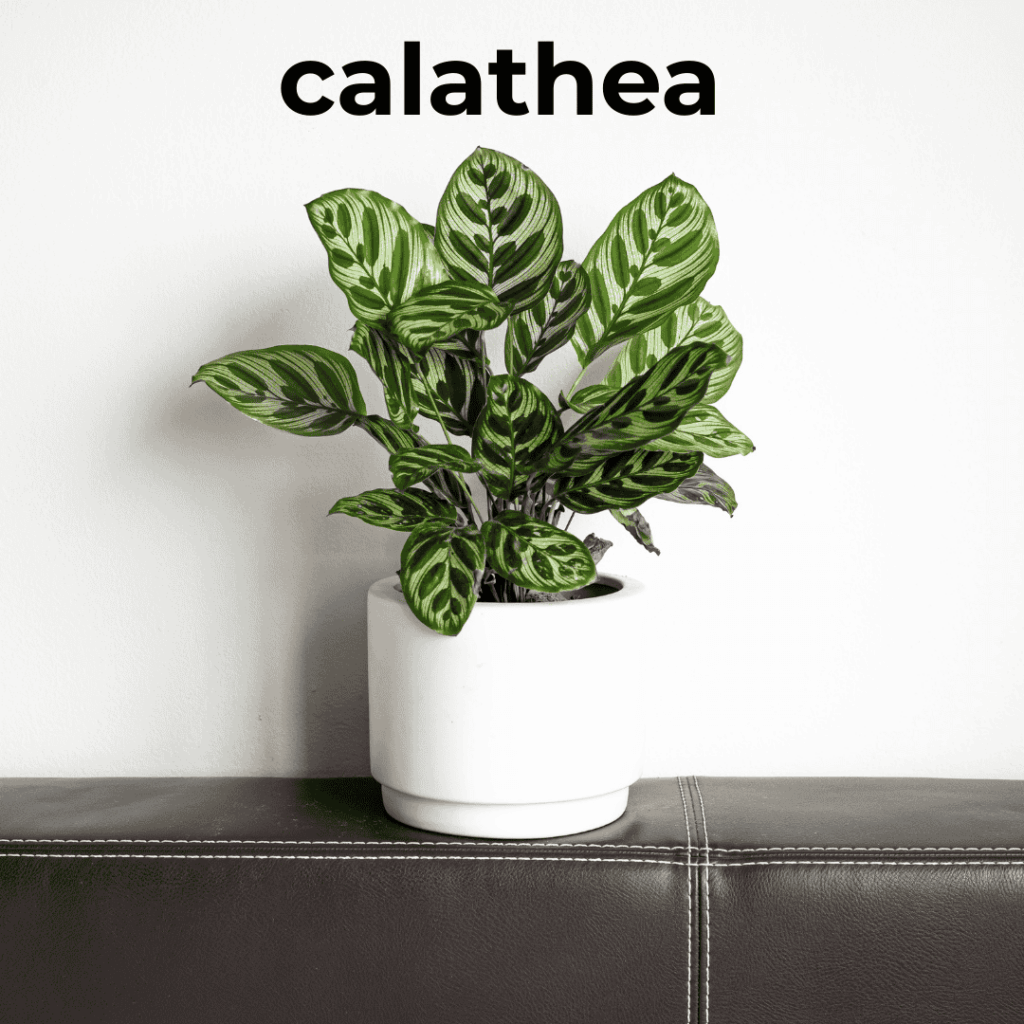
Another easy option but with a little more pizazz is maranta leuconeura or the prayer plant. Their leaves are exquisitely patterned with stripes and chevrons. A cool feature of prayer plants is that they have circadian rhythms and move their leaves upward at night into prayer position and slowly relax with the light of day. A similar-looking cousin of the prayer plant is the calathea. Calatheas too sport patterned leaves, but prefer low-light exposure. So if you live in an apartment without a lot of natural light, choose a calathea!
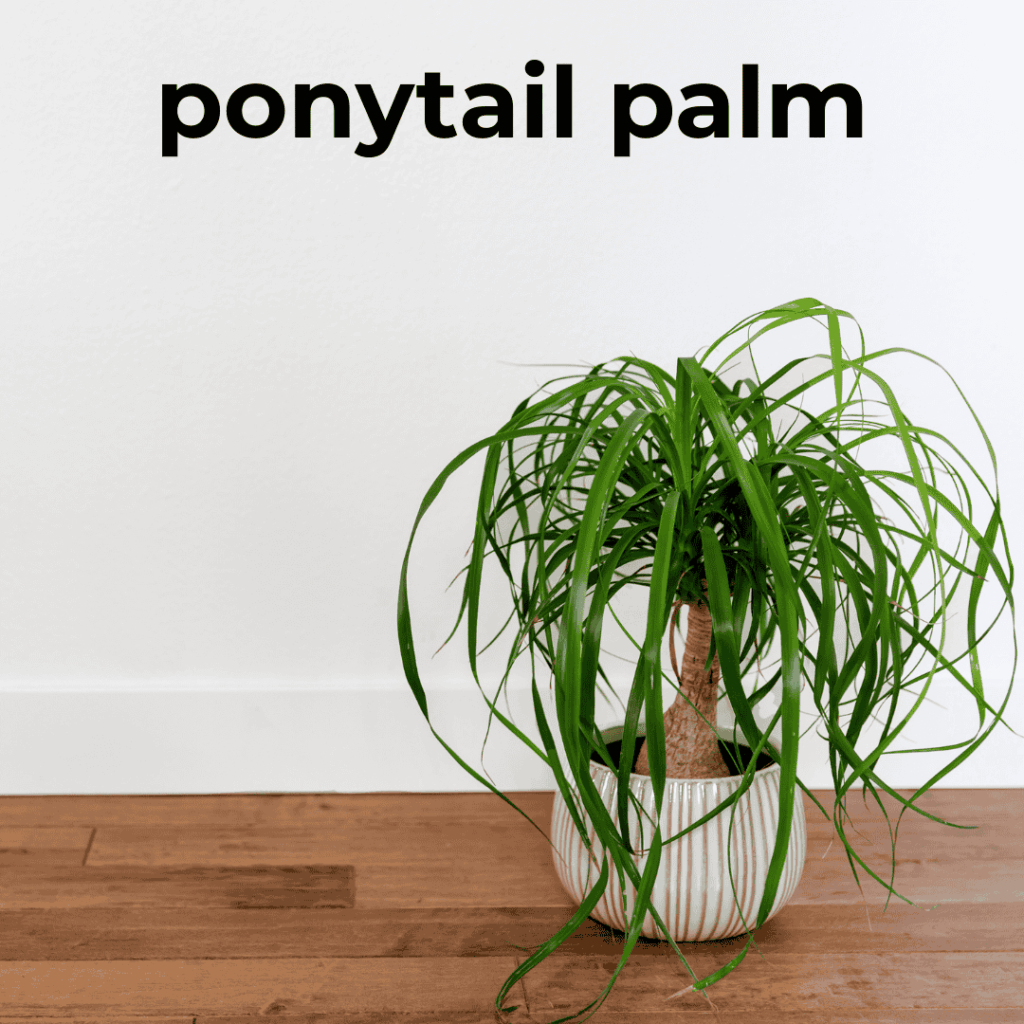
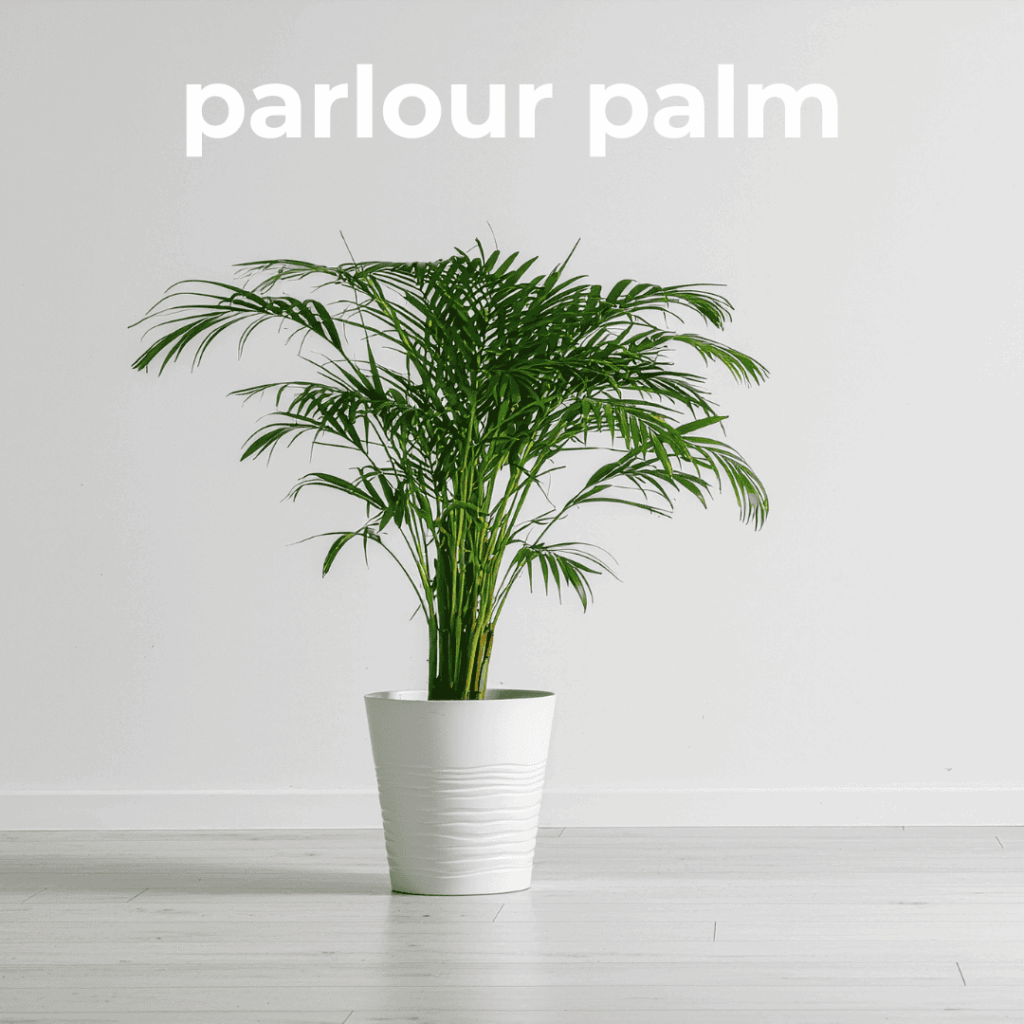
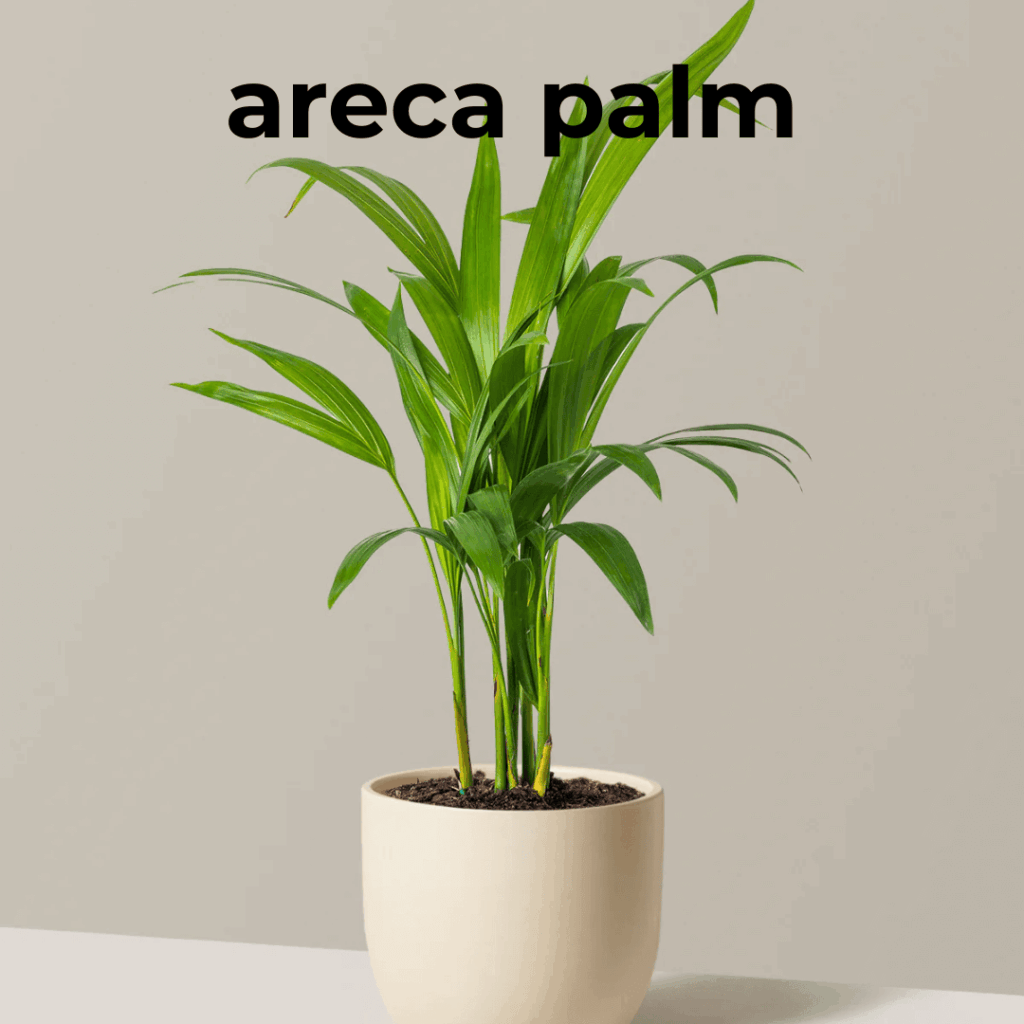
If your vibe is more on the jungle side, there’s a wide variety of palms that act as fantastic pet-safe houseplants. They tend to grow larger, perfect for a focal point in a bare corner! Ponytail palms, areca palms and parlour palms are three gorgeous options that are non-toxic. The parlour or neanthebella palm in particular has stunning, feathery fronds that reach out like giant fans. They’re a species of small palm trees native to the rainforests of Southern Mexico and Guatemala. Adding one to your collection is a sure fire way to bring the jungle into your home! Palms require well-draining soil and a keen eye for spotting pests, so don’t get one unless you are ready to take on the challenge!
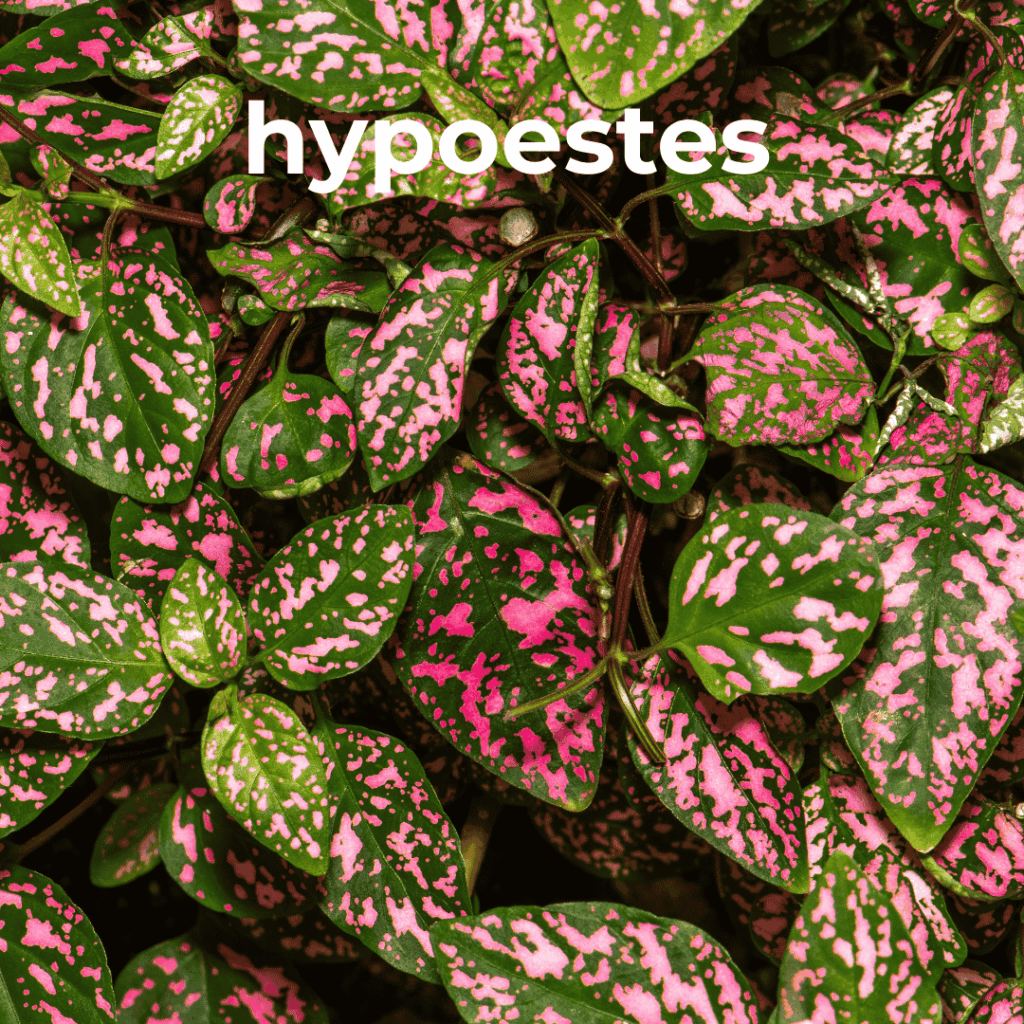
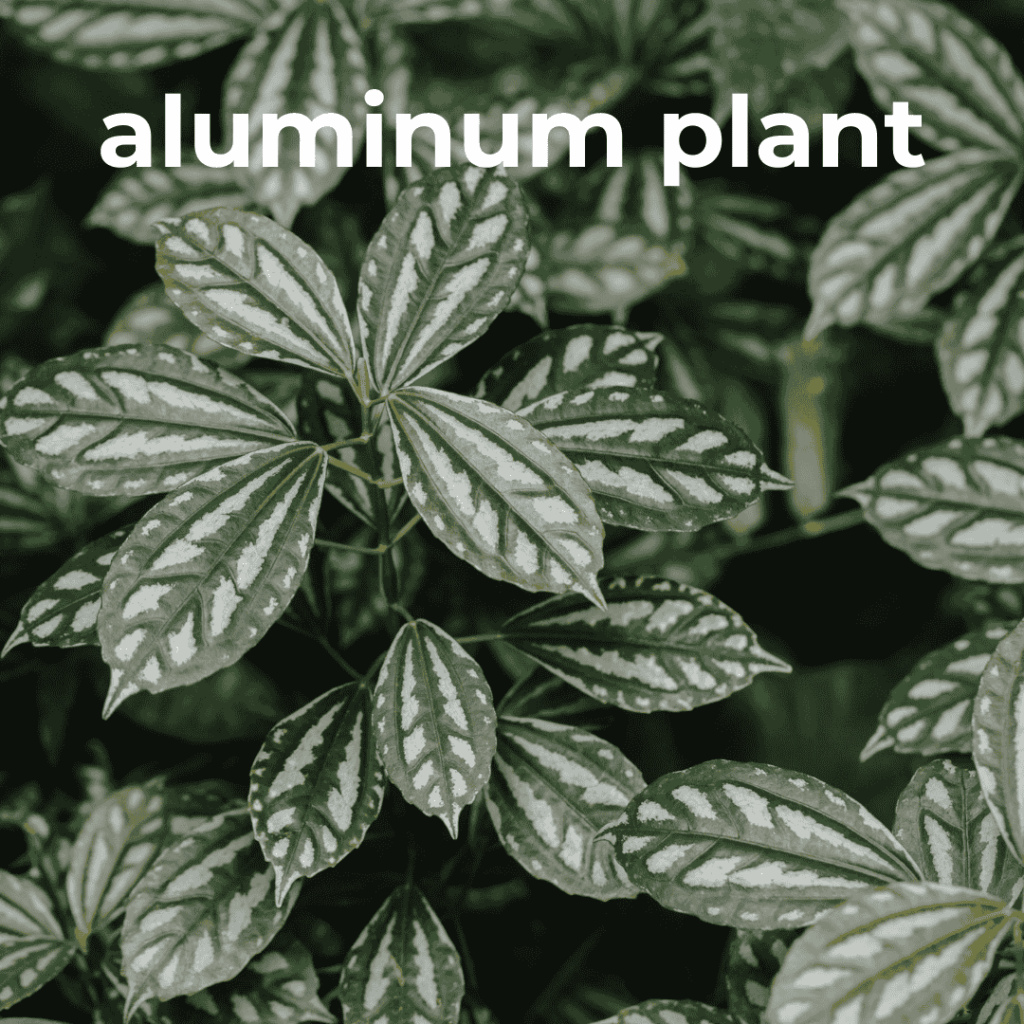
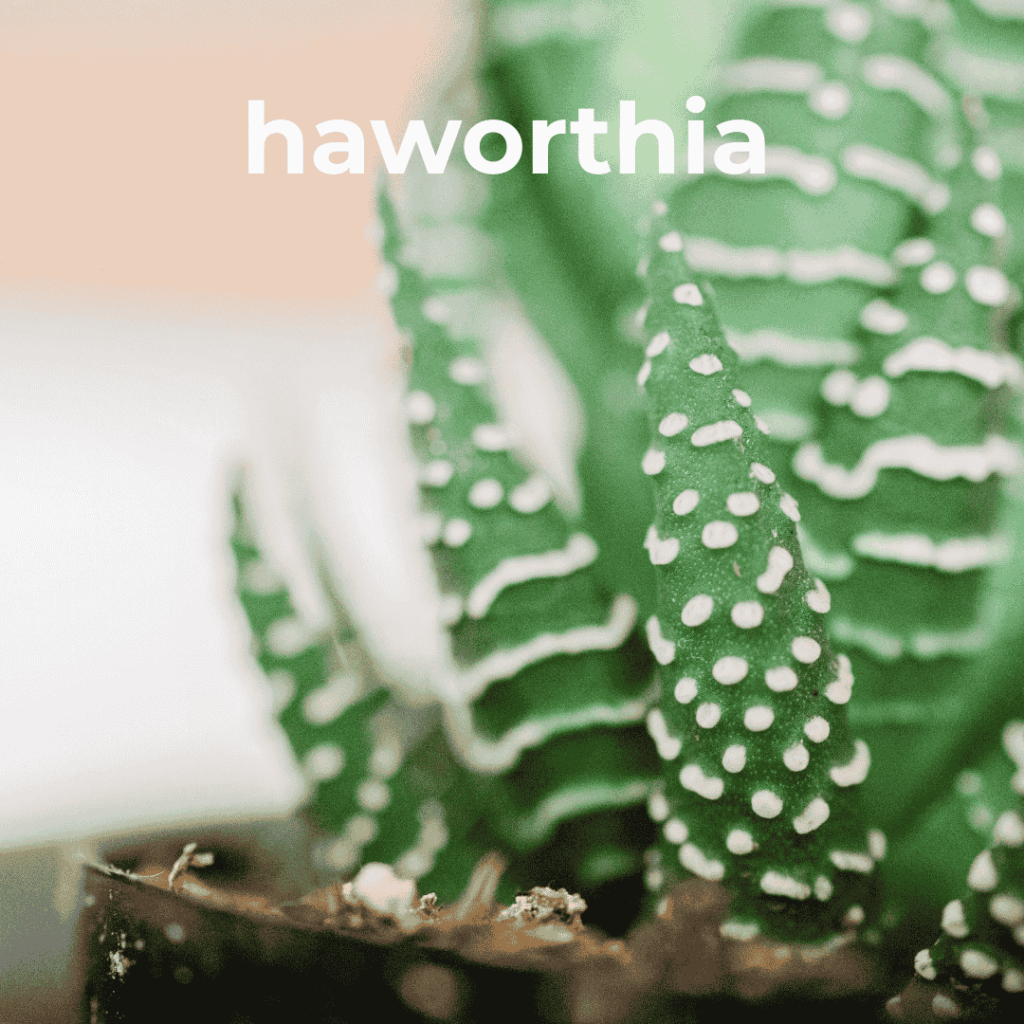
For those of you who love tiny things, hypoestes are great choices for small spaces. Hypoestes are adorable leafy tropicals with polka-dotted leaves and a cute, mounding habit. They love water and can be unforgiving of drought, so don’t let them dry out for too long. Get them on a steady and frequent watering schedule and keep them misted in between waterings. Aluminum plants are also fun choices for smaller spaces. They have striped leaves instead of polka dots! Another tiny favorite is the haworthia. Loosely resembling an aloe vera plant, haworthia are spiky, striped succulents that love direct light and dry soil.
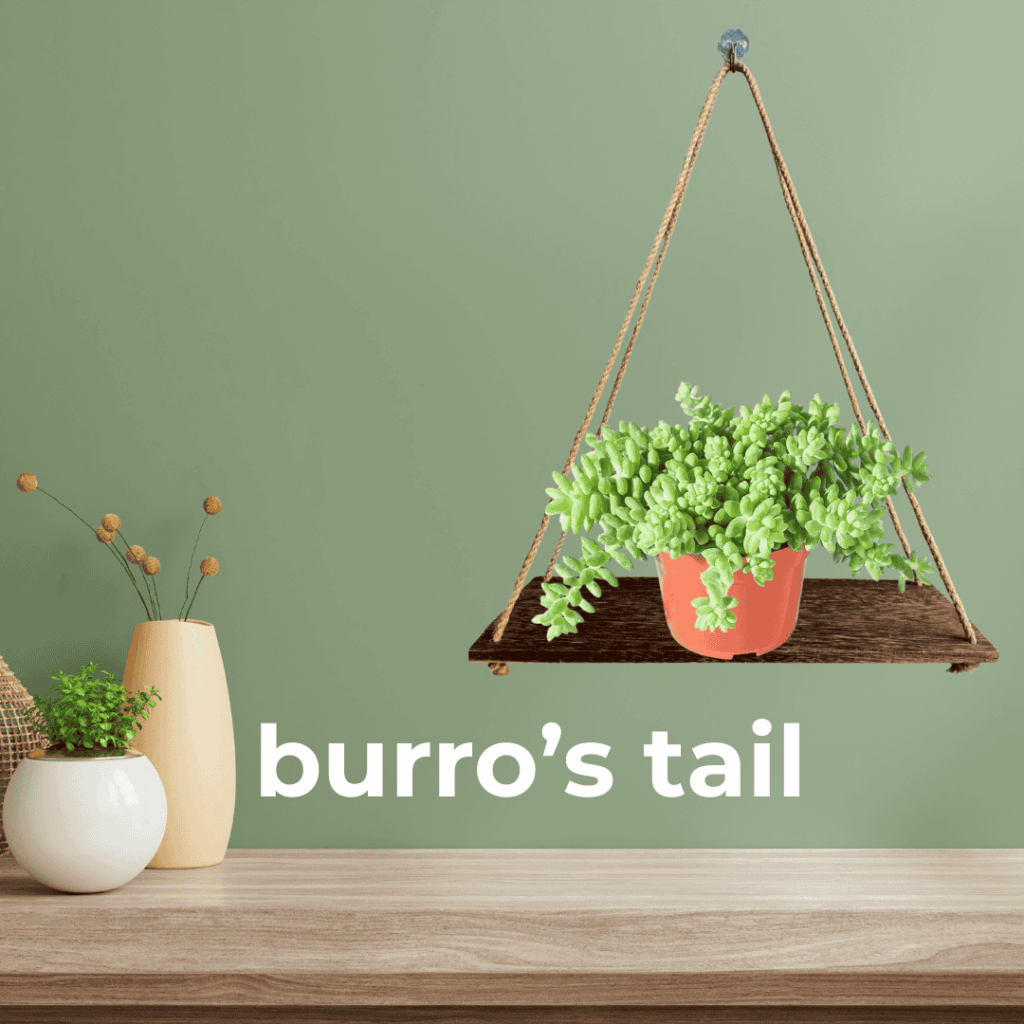
Another succulent for you pet lovers out there is the sedum morganianum, or burro’s tail. This is a fun one. Its stems are covered in plump green leaves that closely resemble the toe beans of a cat! The trailing nature is great for a hanging planter in a sunny location. Burro’s tails are also very easy to propagate. Simply place fallen “toe beans” on top of dry soil in a sunny window and wait to see new tiny toe beans appear within a few weeks! These sedums like to dry out in between waterings. If you notice your plant looking somewhat shriveled however, it may be an indicator that you need to adjust your watering schedule to have fewer days between waterings. Make sure your burro’s tail is never sitting in a saucer that has standing water in it. The dryer the better.
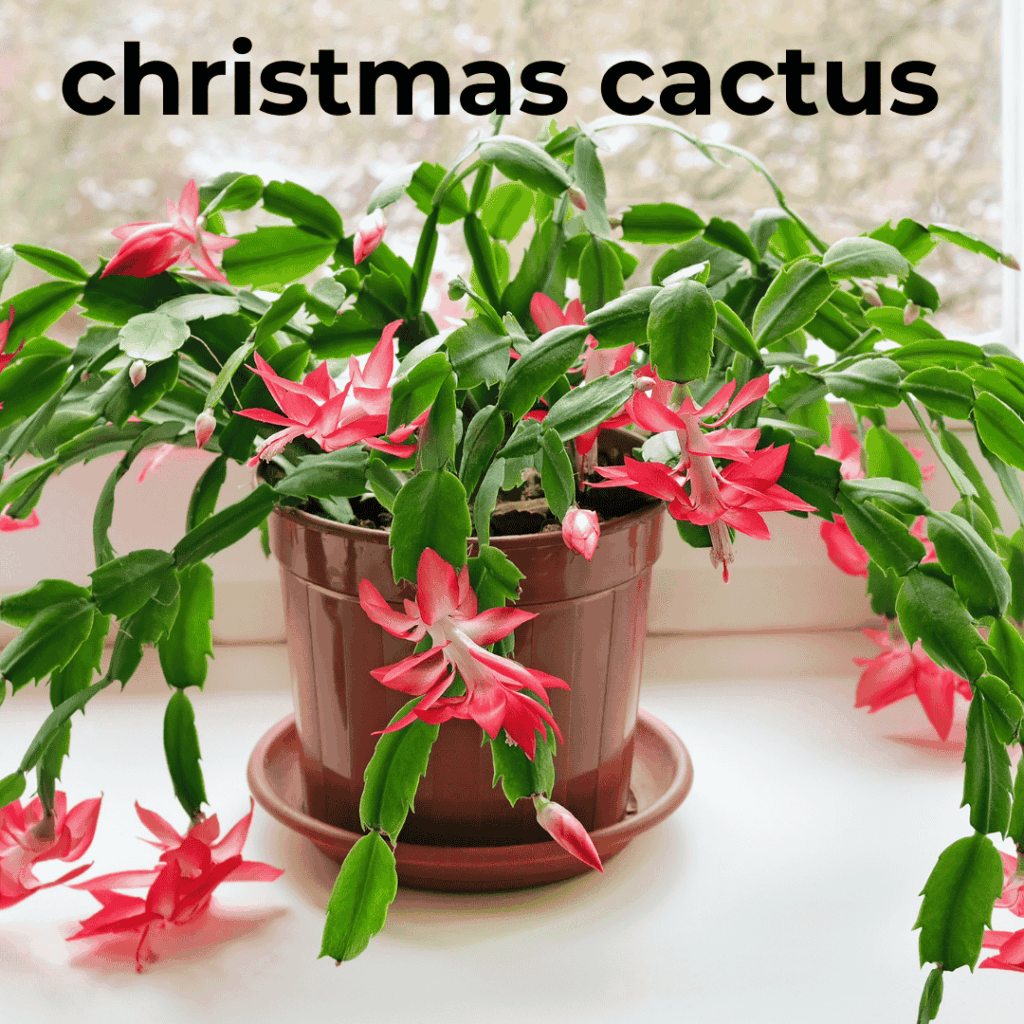
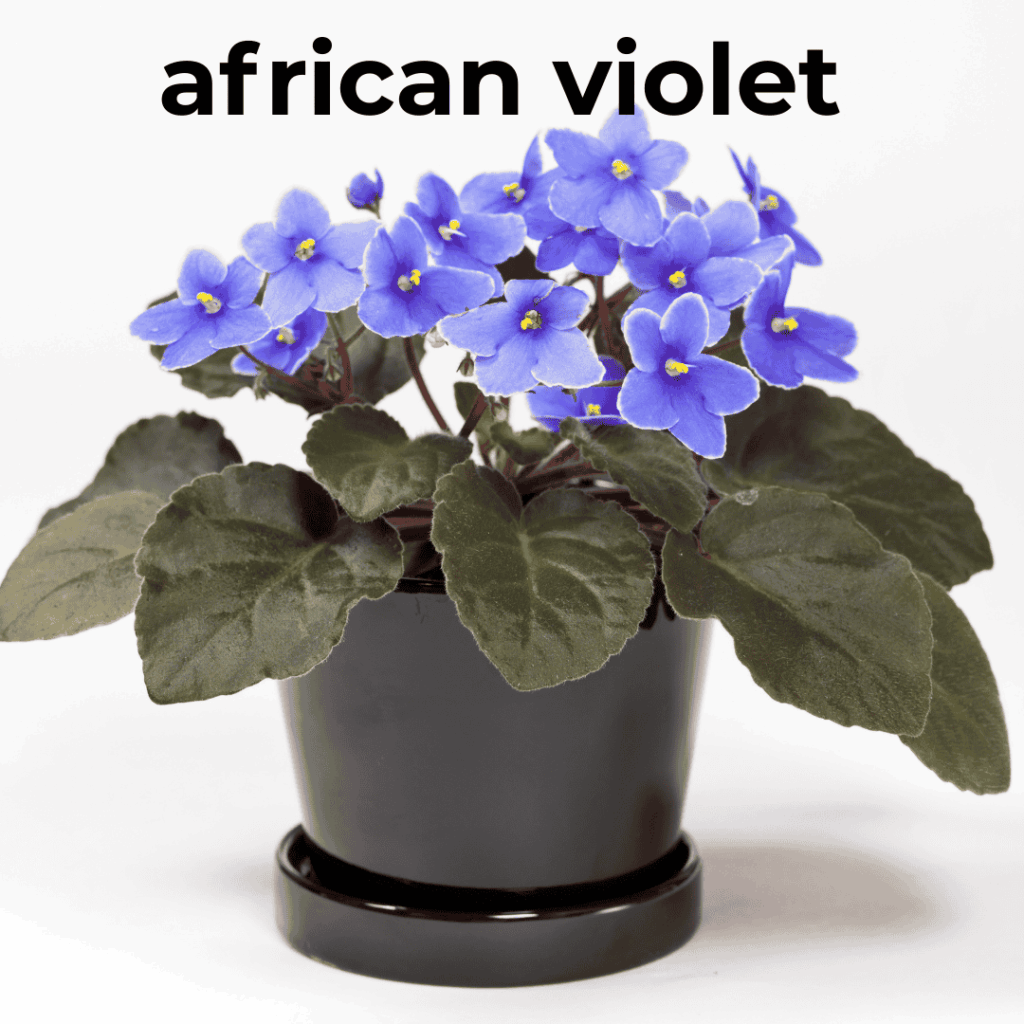
In the dead of winter when nothing is blooming, you’ll be delighted by the idea of bringing flowering houseplants into your home! One such plant is the coveted christmas cactus. Chances are your grandma has one that’s been alive for 40 years! Once they get established, they keep on giving! Their stunning pastel blooms drip off of the serrated cactus arms like little rubies. And rest easy knowing your pets are safe around them! Another non-toxic flowering houseplant is the african violet. African violets are lovely plants with fuzzy round leaves and delicate blooms. They come in a variety of different colors from lavender to dark red to pink and white! Caring for these stunners requires a little homework, but as long as you bottom-water and use the right fertilizer, you can have flowers in your home year-round.
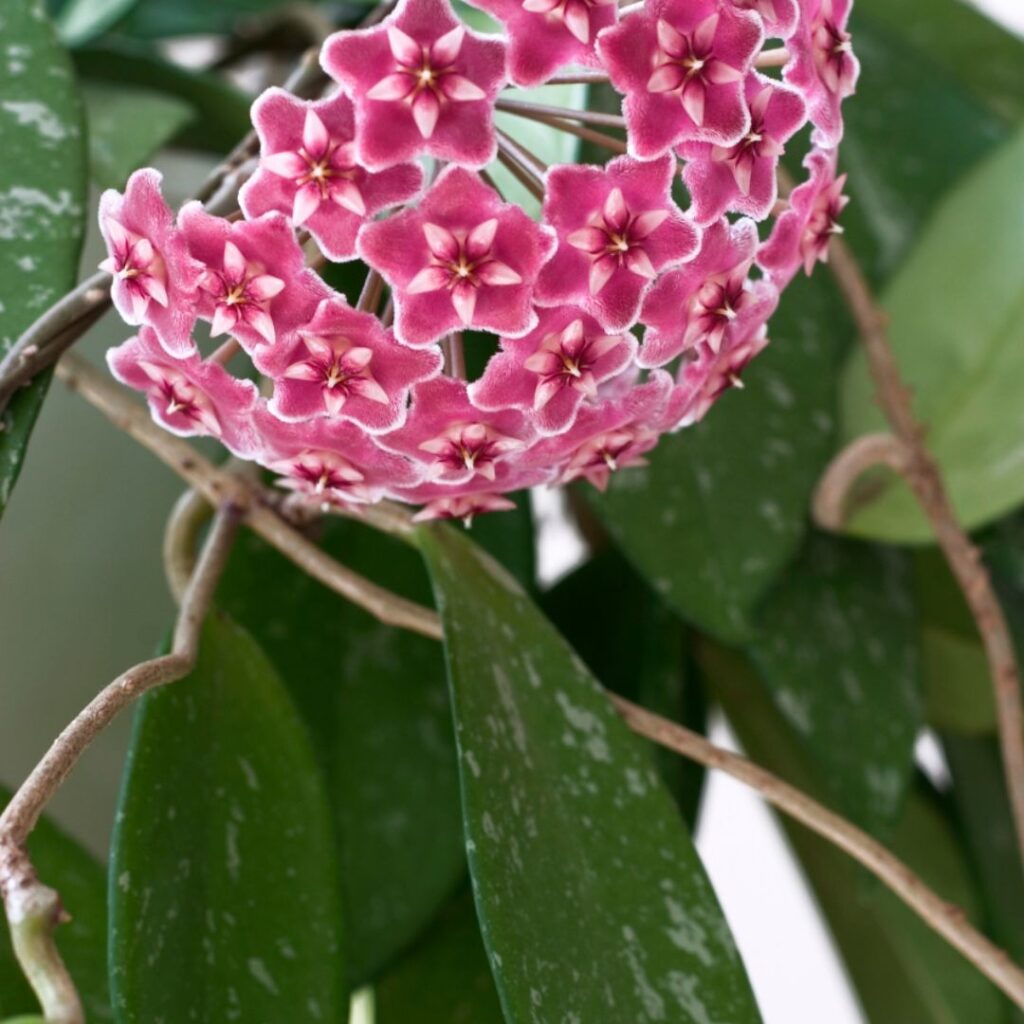
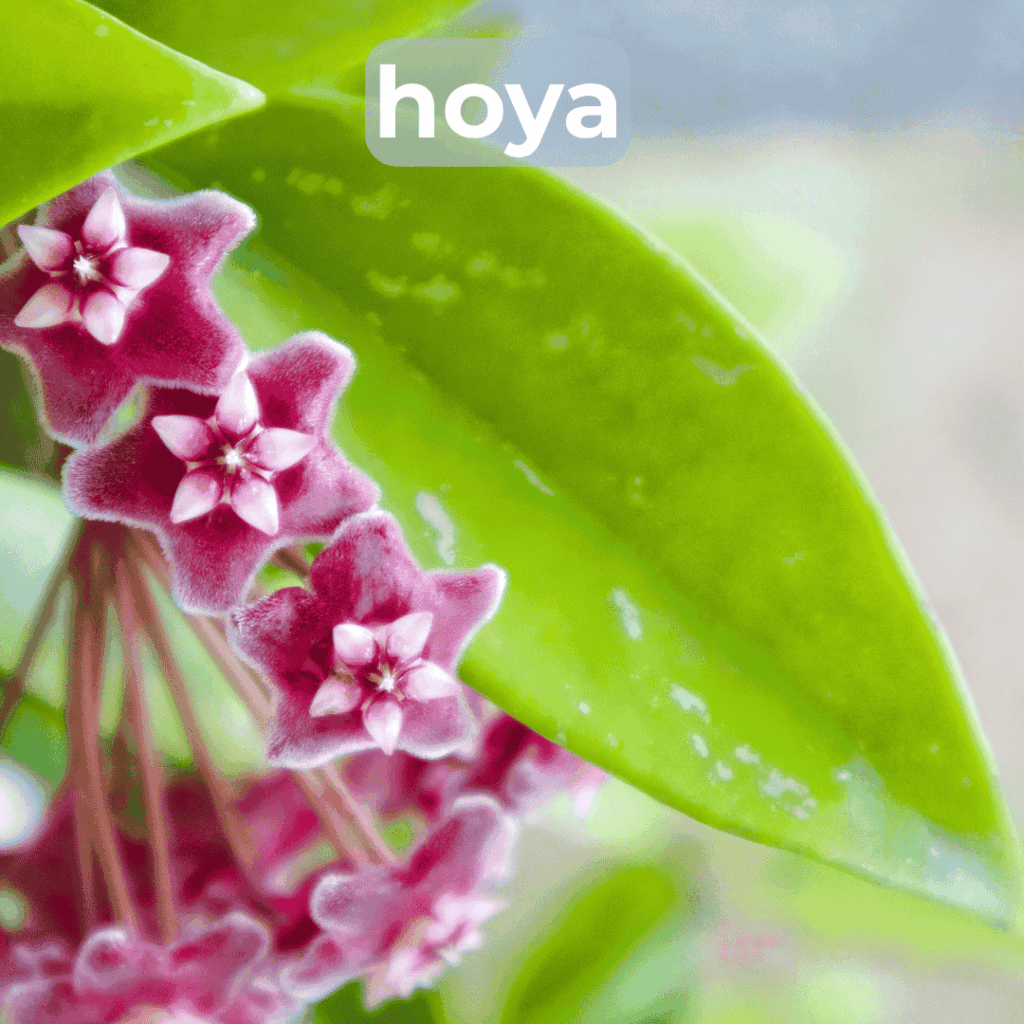
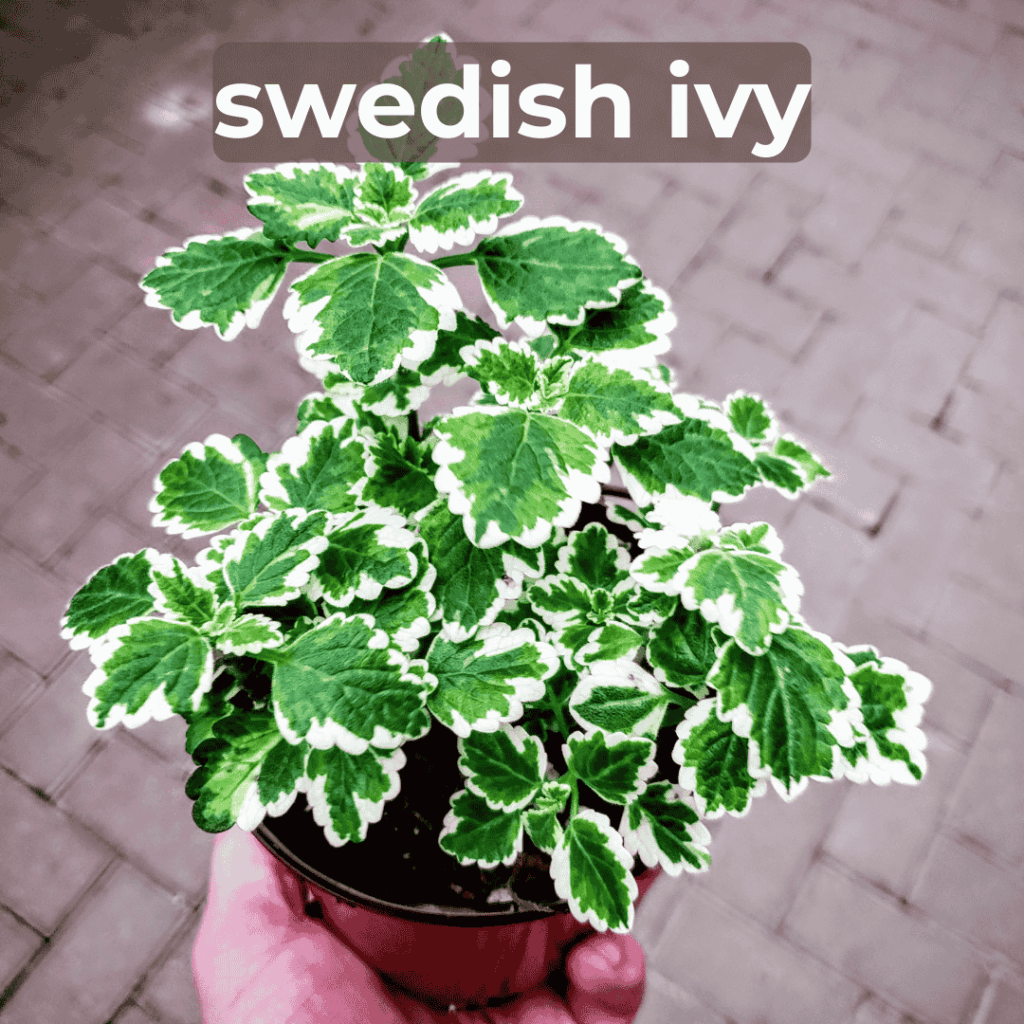
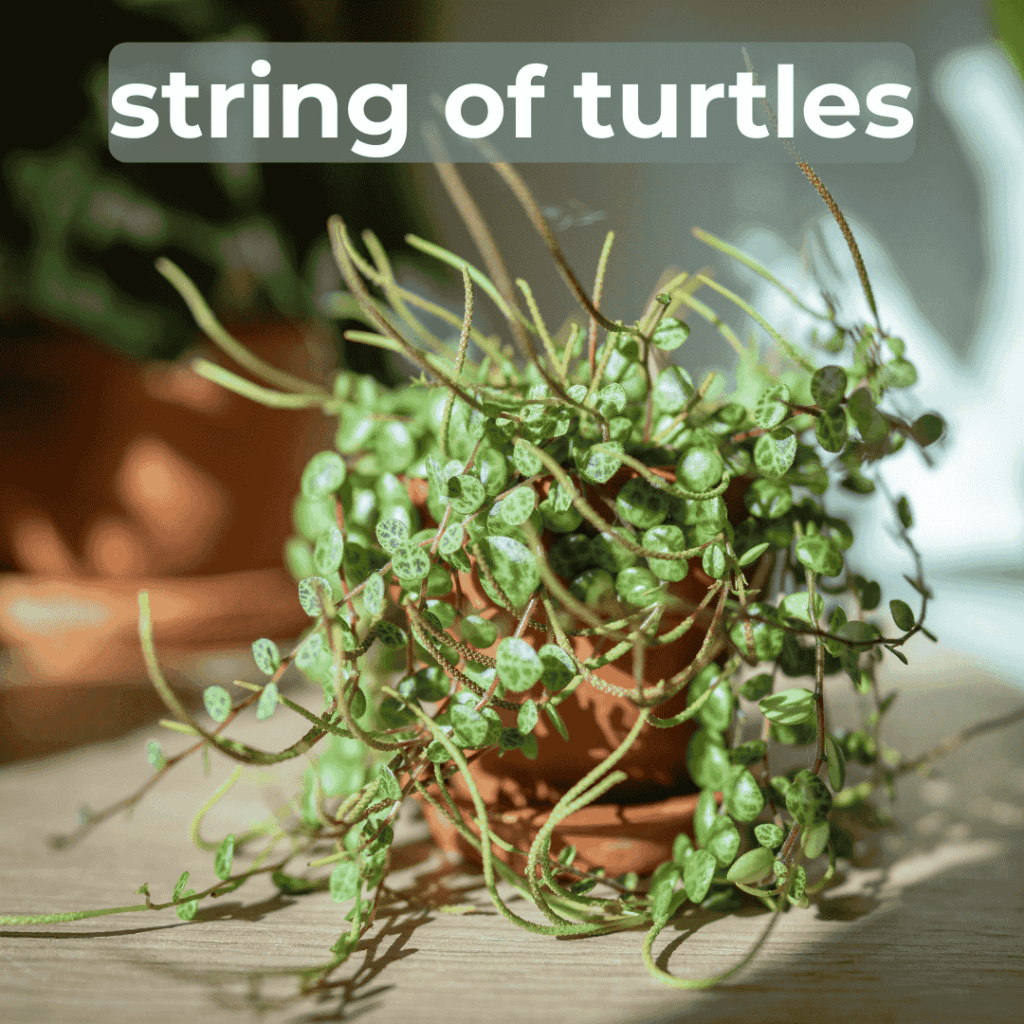
If you prefer a trailing flowering plant, hoyas are another fantastic option. There are over 500 hoya species in the world, and all are generally considered non-toxic. Hoya carnosa have dainty, star-shaped flowers that grow in clusters. The sunnier the location, the more flowers you will get! They have a prolific climbing habit, perfect for crawling up shelves and moss poles. In fact, if you let your hoya climb as opposed to trail, the plant will actually put out more leaves. Hoyas are easy to propagate as well if you’re into multiplying your collection! Other fun trailing houseplants include swedish ivy and string of turtles. One pro tip for keeping a string of turtles happy is planting it in a shallow pot. They are shallow rooters so planting them in a deep pot usually only leads to root rot. All the extra soil in the pot below the roots will remain wet longer than needed, usually leading to root rot or the presence of fungus gnats.
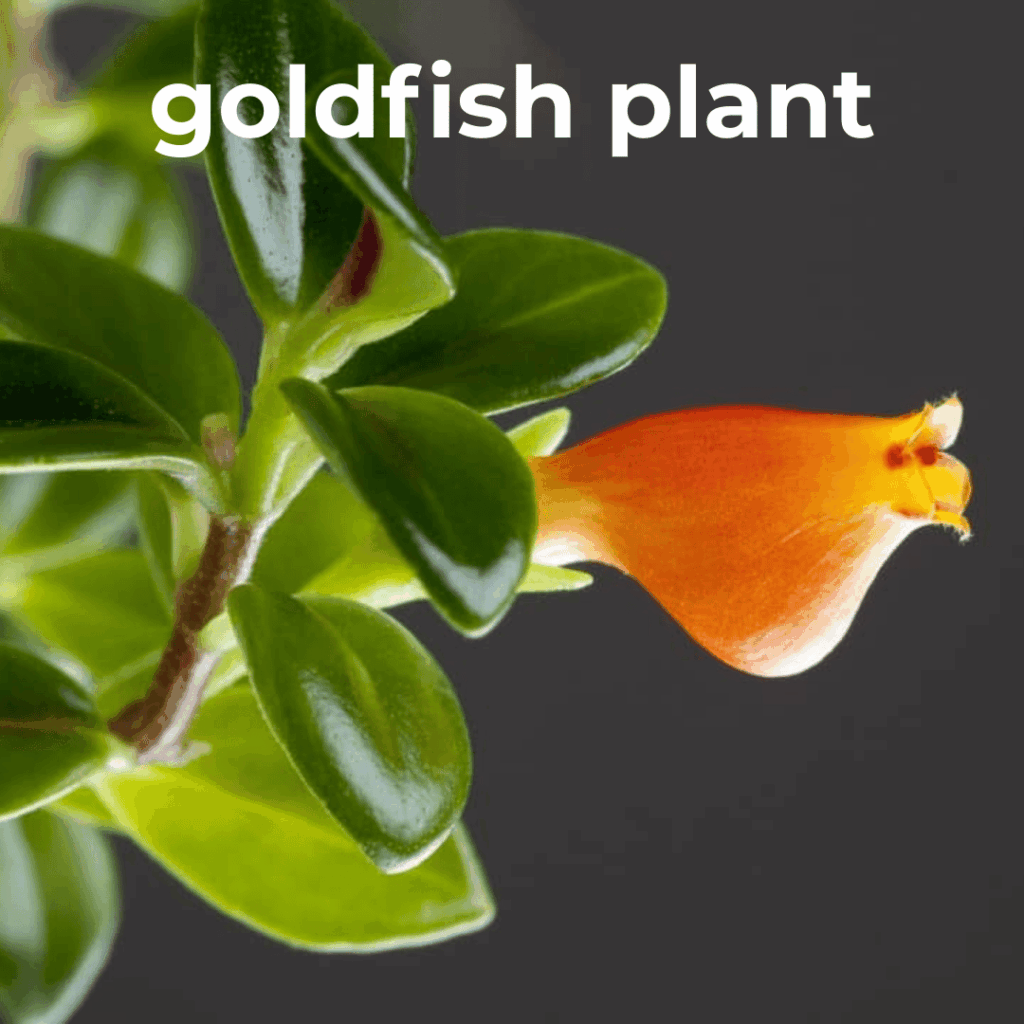
The goldfish plant, or nematanthis gregarius, is yet another flowering plant that has a lot of personality. Its waxy green leaves sprout energetically out of its pot and are peppered with orange flowers resembling little goldfish! Place it in a window that gets bright, indirect light and grab some fertilizer to keep those goldfish blooming!
For you fern lovers out there, note that some of the pet-safe varieties include boston, button, bird’s nest, staghorn, maidenhair and rabbit’s foot ferns. Boston ferns have the most classic sword fern look with long fronds. Button ferns sport round little “button” leaves and maidenhair ferns are delicate and airy. The staghorn and bird’s nest look less fern-like. They have no blades or leaflets, just thick fronds! The rabbit’s foot fern is unique in that they have furry brown rhizomes which resemble fuzzy rabbit feet!
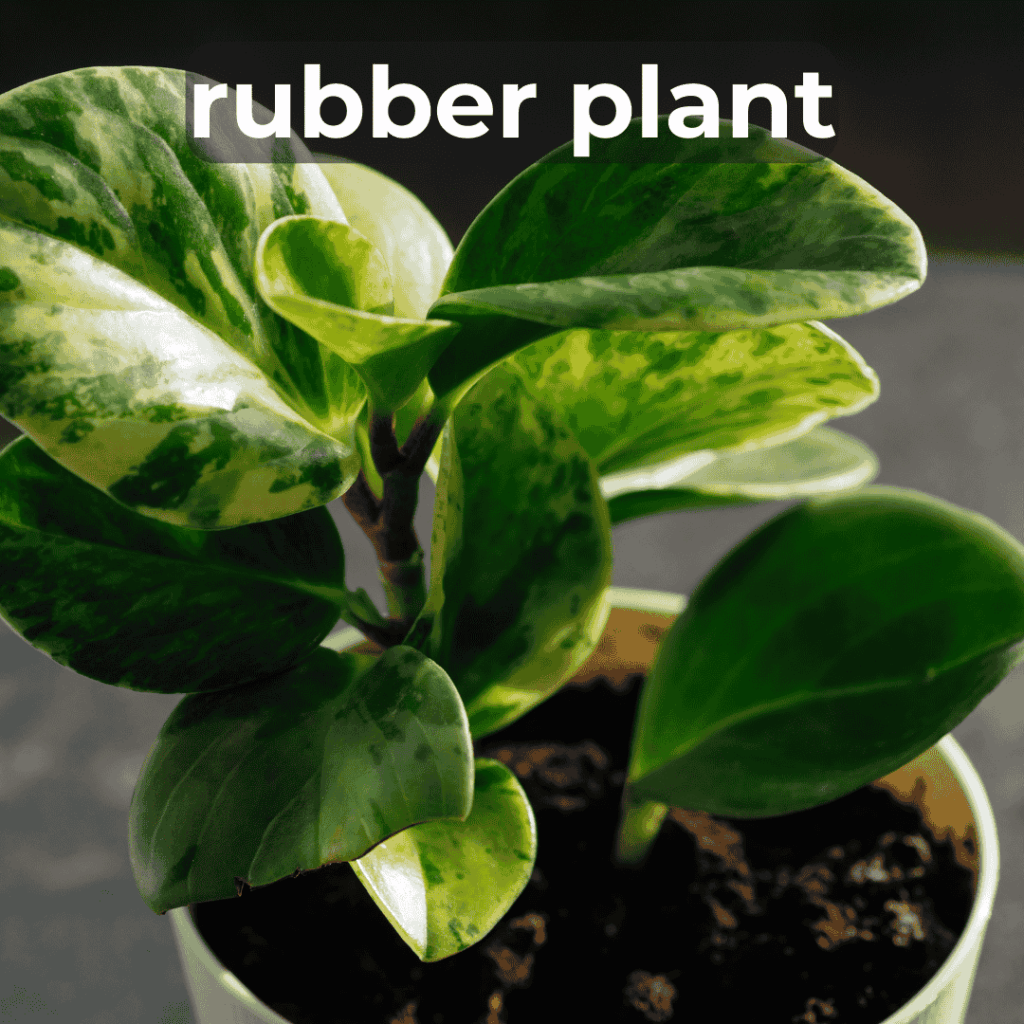
Rubber plants, or peperomia obtusifolia, are adorable and rewarding houseplants to have. Beware of overwatering, but keep up on misting to maintain those beautiful waxy green leaves! Last but not least is pachira aquatica, or the money tree! Money trees often come with braided trunks and thick canopies of hand-shaped leaves. They supposedly are good luck charms when it comes to financial matters, so why not bring more wealth into your life? You can do it all and keep your pets safe at the same time! Happy houseplant shopping, pet-lovers!